
Beautiful Plants For Your Interior
Beautiful Plants For Your Interior
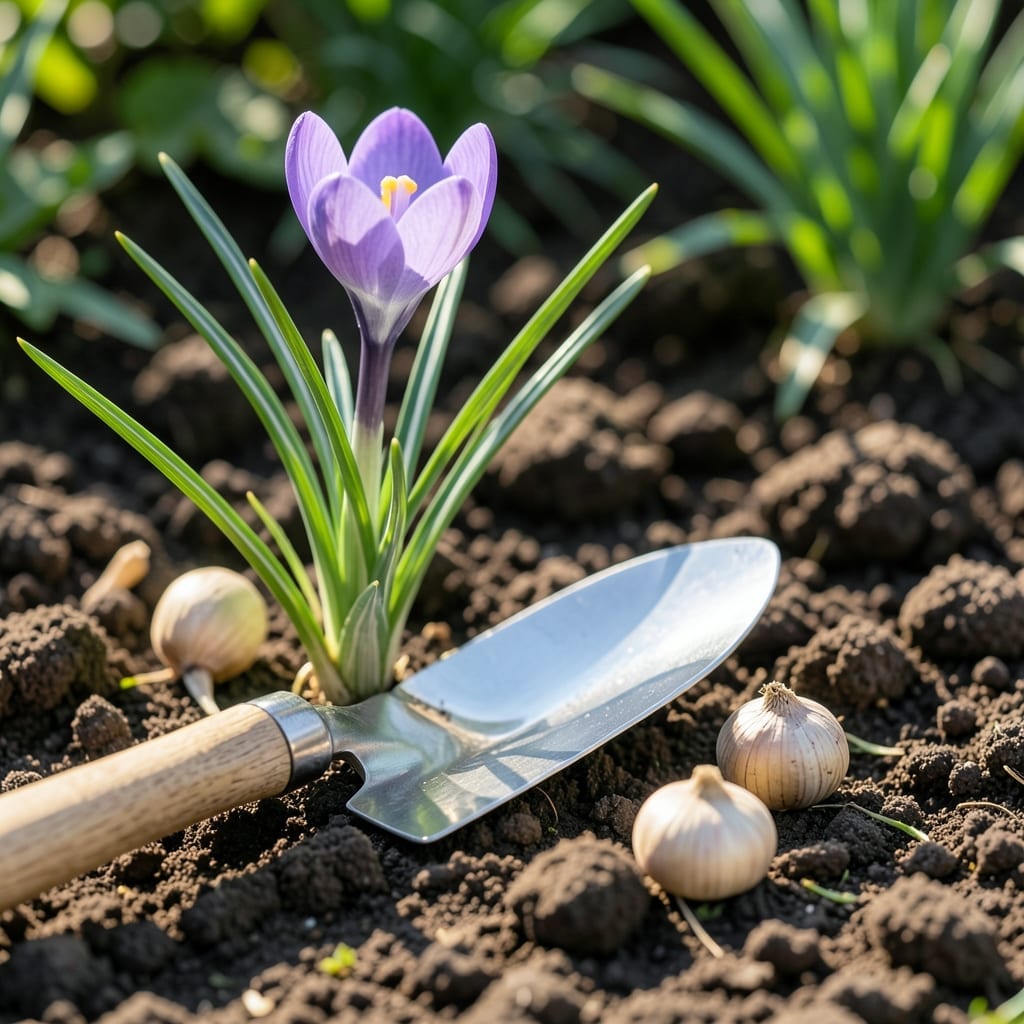
Nothing signals spring’s arrival like the vibrant blooms of 🌷 Crocus pushing through thawing soil. These hardy flowers bring early color when you need it most.
Getting the timing right means more reliable blooms year after year. I’ve learned that planting at the optimal moment makes all the difference for these resilient perennials.
Discover the best seasonal window to plant your Crocus bulbs and set the stage for a stunning display. Let’s make your garden the envy of the neighborhood.
The optimal window for planting crocus bulbs is in early fall, typically September to October. This timing allows bulbs to establish roots before winter dormancy. I always aim for 4-6 weeks before the first hard frost.
Soil temperature should be below 60°F for best results. Planting too early in warm soil can cause premature sprouting. In colder zones like USDA 3-5, finish planting by mid-October.
| Requirement | Specification |
|---|---|
| Best Planting Months | September, October |
| Soil Temperature | Below 60°F |
| USDA Zones 3-5 | Plant by mid-October |
| USDA Zones 6-8 | Plant by late October |
In warmer zones 6-8, you can extend planting into late October or even November. The key is ensuring bulbs get 6-8 weeks of root growth before winter. I’ve found that well-draining soil is crucial to prevent rot.
Avoid spring planting for crocuses. These perennials need a cold period to trigger blooming. Planting in spring often results in no flowers the first year. The bulbs require 12-15 weeks of chilling at 35-45°F.
For naturalizing crocuses, choose a spot with full sun to partial shade. These tough little bulbs will multiply over time, creating a larger display each spring. I love seeing them pop up in grass areas or under deciduous trees.
Container planting follows the same timing rules. Use well-draining potting mix and ensure containers won’t freeze solid. I recommend terracotta pots with drainage holes for best results.
Soil preparation matters as much as timing. Loosen soil to 12 inches deep and mix in compost or bulb fertilizer. This gives roots an easy path to establish before winter.
Remember that crocus bulbs are deer and rodent magnets. If these pests are a problem in your area, consider planting in wire cages or using repellent sprays at planting time.
Finally, water thoroughly after planting to settle soil and eliminate air pockets. Then, mulch lightly with straw or shredded leaves to insulate bulbs through winter. This simple step helps prevent frost heaving, which can push bulbs out of the ground.
🌷Planting crocus bulbs correctly ensures vibrant spring blooms and healthy growth. I always start by selecting a location with full sun to partial shade. These resilient flowers thrive in areas that receive 6+ hours of sunlight daily.
For the best results, loosen the soil to a depth of 12 inches and mix in compost or bulb fertilizer. This helps roots establish quickly. I prefer using a 5-10-10 fertilizer to encourage strong root development.
When planting, place the crocus bulb with the pointy end facing up. If you’re unsure which end is up, don’t worry—bulbs will often correct their orientation. I always press the soil firmly around each bulb to eliminate air pockets.
Naturalizing crocuses is a fantastic way to create a low-maintenance display. Simply plant bulbs in grass areas or under trees and let them multiply. Over time, you’ll enjoy a larger, more vibrant show each spring.
For container planting, use well-draining potting mix and ensure containers have drainage holes. Terracotta pots work well, but remember they may need extra insulation in cold climates to prevent freezing.
Finally, water your crocuses deeply after planting and keep the soil lightly moist until the ground freezes. Once established, these bulbs are drought-tolerant and require minimal care.
🌷