
Beautiful Plants For Your Interior
Beautiful Plants For Your Interior
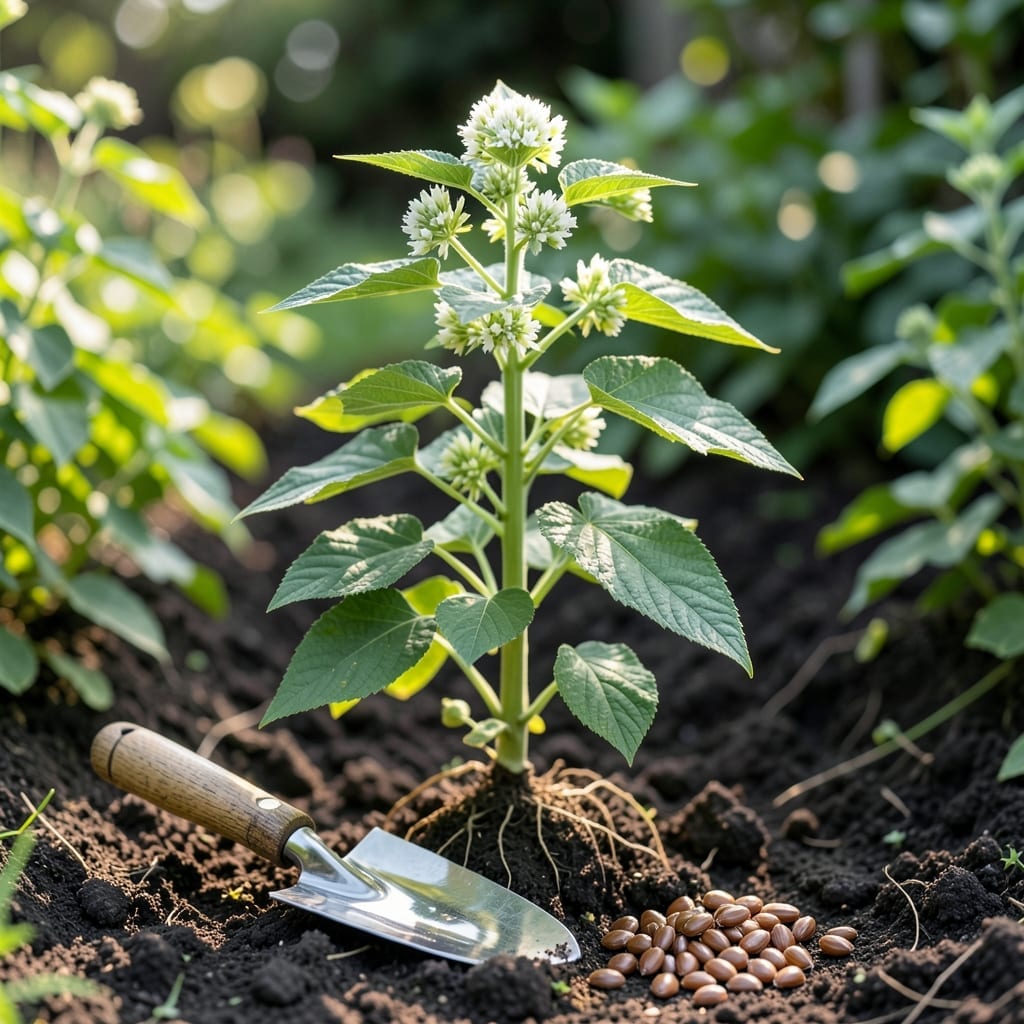
Timing is everything when planting 🌾Buckwheat as a cover crop—plant too early or too late, and you’ll miss its full soil-boosting benefits.
This fast-growing, nitrogen-fixing powerhouse thrives in warm conditions but requires precise scheduling to maximize growth before frost.
I’ve seen firsthand how proper timing transforms struggling soil into fertile ground. The window between April and August is your sweet spot for most regions.
Let me walk you through how to nail the schedule for your zone 6a climate and beyond. You’ll learn to harness Buckwheat’s full potential for your garden.
Getting the timing right for buckwheat cover crop can make or break your soil improvement efforts. This warm-season plant needs 60 frost-free days to reach maturity, making spring and summer the ideal windows.
In USDA Zone 6a, I recommend planting between April and August. The key is ensuring soil temperatures are consistently above 50°F for proper germination and growth.
| Zone | Planting Window | Notes |
| 3-4 | May-July | Late spring start |
| 5-6 | April-August | Peak season |
| 7-8 | March-September | Extended window |
| 9-10 | Year-round | No frost limits |
For northern climates, aim for late spring planting after the last frost date. In southern regions, you can start as early as March if soil conditions allow.
The 40-60 day maturity means you can fit multiple plantings in one season. I’ve successfully grown two crops in Zone 6 by planting in early June and again in late July.
Remember that buckwheat hates frost. If you’re in a short-season area, prioritize early planting. The plant will winter-kill at the first hard frost, which actually makes cleanup easier.
For weed suppression, plant when soil temperatures reach 60°F. This gives buckwheat a competitive edge against weeds. I’ve seen it outcompete even aggressive pigweed in my test plots.
The ideal soil temperature for germination is 70-80°F, but it will germinate at lower temps. Just expect slower growth if you plant when it’s cooler than 60°F.
In drought-prone areas, plant earlier in the season when moisture is more reliable. Buckwheat has moderate drought tolerance once established, but needs consistent moisture to germinate.
For pollinator support, time your planting to coincide with local bee activity. The abundant flowers are a magnet for beneficial insects, which can boost your entire garden’s ecosystem.
Finally, consider your crop rotation. Plant buckwheat after heavy feeders like tomatoes or corn to replenish soil nitrogen. Just be sure to terminate it before it sets seed to prevent volunteer plants.
While climate zone is crucial, I’ve found soil temperature is the most critical factor for buckwheat. The seeds won’t germinate well below 50°F, and 70-80°F is the sweet spot for rapid growth.
Consistent moisture levels during germination are non-negotiable. I always check that the top inch of soil stays damp for the first 7-10 days after planting.
🌱 5 Timing Factors for Buckwheat
Your weed suppression goals can shift the timing. For maximum effect, plant when weeds are just starting to emerge, giving buckwheat a head start.
If pollinator support is your priority, align planting with local bee activity. I’ve seen honeybee populations explode when buckwheat blooms coincide with their peak foraging periods.
For crop rotation, plant buckwheat after heavy feeders like tomatoes. This gives it time to fix nitrogen before your next cash crop goes in.
Remember that drought conditions may require earlier planting. In my experience, buckwheat handles dry spells better once established, but needs moisture to get started.