
Beautiful Plants For Your Interior
Beautiful Plants For Your Interior
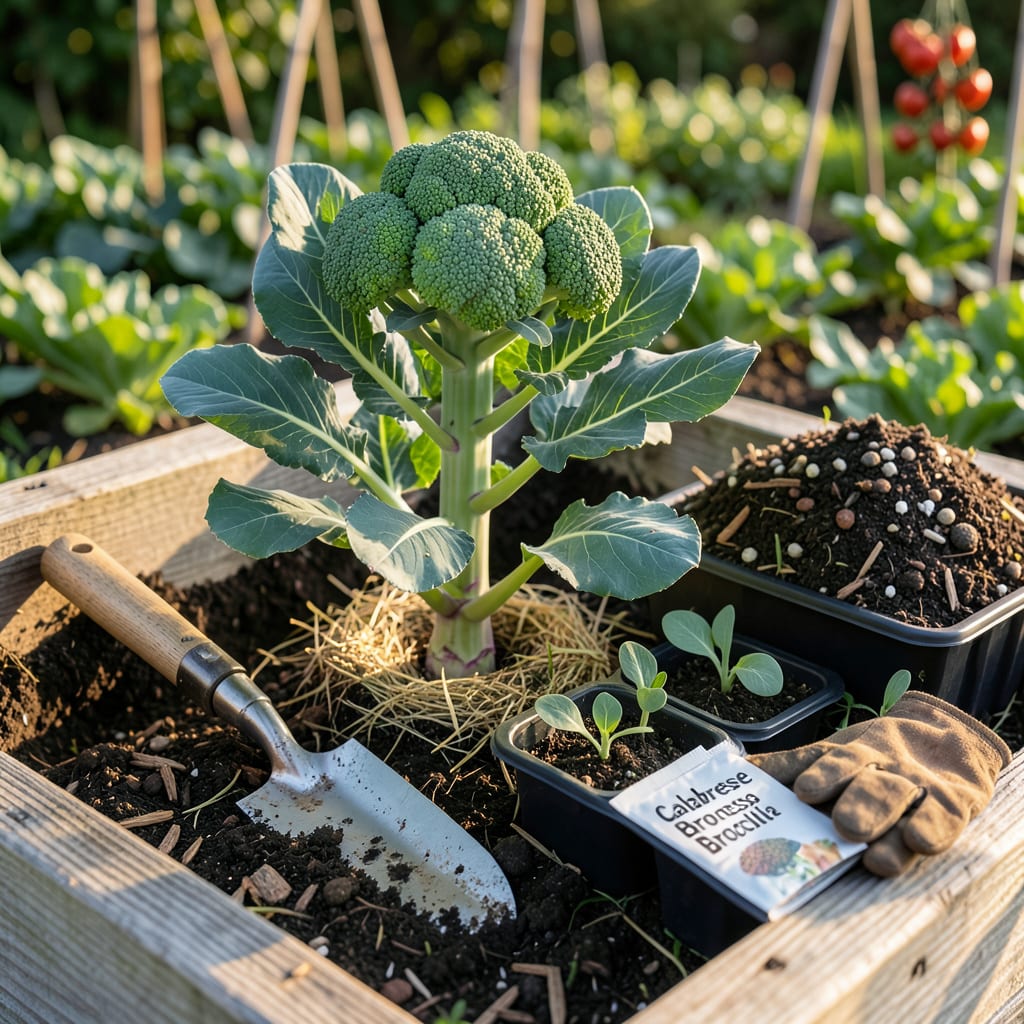
Timing your fall garden in Zone 6 can feel like a high-stakes game—plant too soon, and summer’s heat might fry your seedlings. Wait too long, and that first frost will wipe out your hard work before you even get a taste of your harvest.
After years of testing what works (and what doesn’t), I’ve nailed down the perfect planting windows for cool-season stars like kale, spinach, and carrots. Let me show you how to stretch your growing season well into autumn—without the guesswork.
If you’re gardening in Zone 6, your fall planting window is a delicate balance between escaping summer’s last heatwave and beating the first frost. I’ve found that mid-August through early October is prime time, but the exact dates depend on each crop’s days to maturity. 🌱
Our average first frost date hovers around October 15, so I always count backward from that date. For example, if your spinach variety needs 45 days to mature, you’d want to plant it by September 1 to ensure a harvest before temperatures drop. ✂️
| Crop | Planting Window | Days to Maturity | Notes |
|---|---|---|---|
| Kale | Aug 1–Sep 15 | 50–65 | Tolerates frost; sweeter after cold |
| Spinach | Aug 15–Sep 15 | 40–50 | Needs consistent moisture |
| Carrots | Jul 25–Aug 15 | 60–80 | Loosen soil for straight roots |
| Radishes | Aug 15–Sep 30 | 25–30 | Quick harvest; succession plant |
| Broccoli | Jul 15–Aug 15 | 70–90 | Transplant for best results |
*All dates based on October 15 first frost. Adjust if your microclimate varies.
For direct-sowing seeds, I focus on late August to early September for most crops. This gives plants time to establish before daylight shortens. Lettuce and arugula can go in as late as September 15 if you choose fast-maturing varieties. 🌿
If you’re working with transplants, you can push the timeline a bit later. I’ve had success planting cabbage and Brussels sprouts transplants up until early September. These cold-hardy crops actually improve in flavor after a light frost, so don’t rush them. 🌡️
One trick I swear by is using row covers to extend the season by 2–3 weeks. This lets me plant beets and Swiss chard as late as September 10. Just
For garlic, I break the rules entirely—it goes in during mid-October, just before the ground freezes. This gives it a head start for next spring. If you’re planting onions, aim for late September so they develop strong roots before winter. 🪴
Don’t forget about herbs! Cilantro and parsley thrive in fall’s cooler temps. I sow them in late August and often get multiple harvests before hard frost. They’re perfect for filling gaps between slower-growing veggies. ✂️
If you’re new to fall gardening, start with radishes and spinach—they’re nearly foolproof. For a challenge, try cauliflower, but be prepared to babysit it with consistent watering and possible shade during late-summer heat spikes. 💧
Finally, keep a garden journal to track your planting dates and harvest results. Zone 6’s first frost can vary by a week or two yearly, so adjusting based on your specific microclimate and past successes will give you the best results season after season. 📋
Even experienced gardeners can stumble when transitioning to fall planting in Zone 6. I’ve learned the hard way that what works for spring doesn’t always apply to autumn. The biggest mistake I see? Ignoring soil temperature—cool-season crops need it just right for germination. 🌡️
Another common pitfall is misjudging daylight changes. By late August, our days are shortening rapidly, and plants that need 10+ hours of light (like basil) will struggle. I now prioritize crops that thrive with 8–10 hours of sunlight, like kale and spinach. ☀️
*Pro tip: Use a soil thermometer—aim for 60–70°F for germination.
I used to overlook succession planting in fall, thinking one sowing would suffice. Now I know better: fast growers like arugula and radishes need multiple plantings, spaced 10–14 days apart, to keep harvests coming. 🌱
A game-changer for me was realizing that late-summer heat can be just as damaging as frost. I now use shade cloth (30–50%) for seeds sown in August, removing it once temps drop below 80°F. This simple step boosted my germination rates by 40%. 🌿
Don’t assume all cold-hardy crops are created equal. While kale laughs at 20°F temps, lettuce wilts at 25°F. I learned to group plants by cold tolerance and protect tender greens with cloches or cold frames when frosts threaten. ❄️
Finally, soil prep is non-negotiable. After summer’s heavy feeders, I refresh beds with 1–2 inches of compost and a balanced fertilizer (5-5-5) before fall planting. This replenishes nutrients and improves moisture retention—critical as rains become less predictable. 💧
If you take nothing else from this, remember: fall gardening is a race against the calendar. Start seeds indoors for slow growers like broccoli, and always have row covers ready by October 1. Your future self will thank you when you’re harvesting fresh greens in November! 📅
When planning your fall garden in Zone 6, crop selection is just as important as timing. I divide my fall plants into two categories: fast growers (ready in 30–40 days) and slow maturers (60+ days). This helps me maximize harvests before frost hits. 🌱
For quick results, I always include radishes (25–30 days), arugula (30–40 days), and baby spinach (35–40 days). These can be sown as late as September 15 and still produce before hard frost. They’re perfect for filling gaps between slower crops. ✂️
| Crop Type | Examples | Days to Maturity | Best Planting Window |
|---|---|---|---|
| Fast Growers | Radishes, Arugula, Spinach | 25–40 days | Aug 15–Sep 15 |
| Slow Maturers | Brussels Sprouts, Cabbage, Carrots | 60–90 days | Jul 15–Aug 15 |
*Plant slow maturers earlier; fast growers can wait until late summer.
For slow-maturing crops, I prioritize Brussels sprouts (90 days), cabbage (80 days), and carrots (70 days). These need to go in by mid-August at the latest. I’ve found that starting these from transplants gives me a 2-week head start over direct sowing. 🌿
The real stars of my fall garden are cold-hardy champions like kale and Swiss chard. These can handle temperatures down to 20°F and actually taste sweeter after a frost. I plant them in late August and harvest well into November with protection. 🌡️
Don’t overlook microclimates in your garden. South-facing beds warm up faster in fall, perfect for heat-loving herbs like cilantro. North-facing areas stay cooler longer, ideal for lettuce that bolts in heat. I use this to my advantage by strategically placing crops. ☀️
My pro tip? Always have row covers ready by October 1. Even cold-hardy crops benefit from the extra warmth. Last year, my covered spinach lasted until Thanksgiving—uncovered plants wilted three weeks earlier! 📅
For best results, sow spinach seeds by September 1 to ensure maturity before frost. Fast-growing varieties like ‘Baby’s Leaf Hybrid’ can be planted up to September 15 if you’re using row covers to extend the season.
Use 30-50% shade cloth for seeds sown in August, removing it once temperatures drop below 80°F. Keep soil consistently moist—mulch helps retain water. This prevents heat stress while seeds germinate.
While mid-October is ideal, you can plant garlic until the ground freezes—usually early November in Zone 6. Use mulch to insulate cloves. They’ll establish roots before winter and resume growth in spring.
Kale, Brussels sprouts, and carrots develop sweeter flavors after light frosts. Their starches convert to sugars as protection against cold. Harvest these after 2-3 frosts for the best taste.
Fall crops need 1 inch of water weekly, but less frequently than summer—aim for every 4-5 days instead of daily. Check soil moisture 1 inch deep; if dry, it’s time to water. Morning watering prevents fungal issues.
