
Beautiful Plants For Your Interior
Beautiful Plants For Your Interior
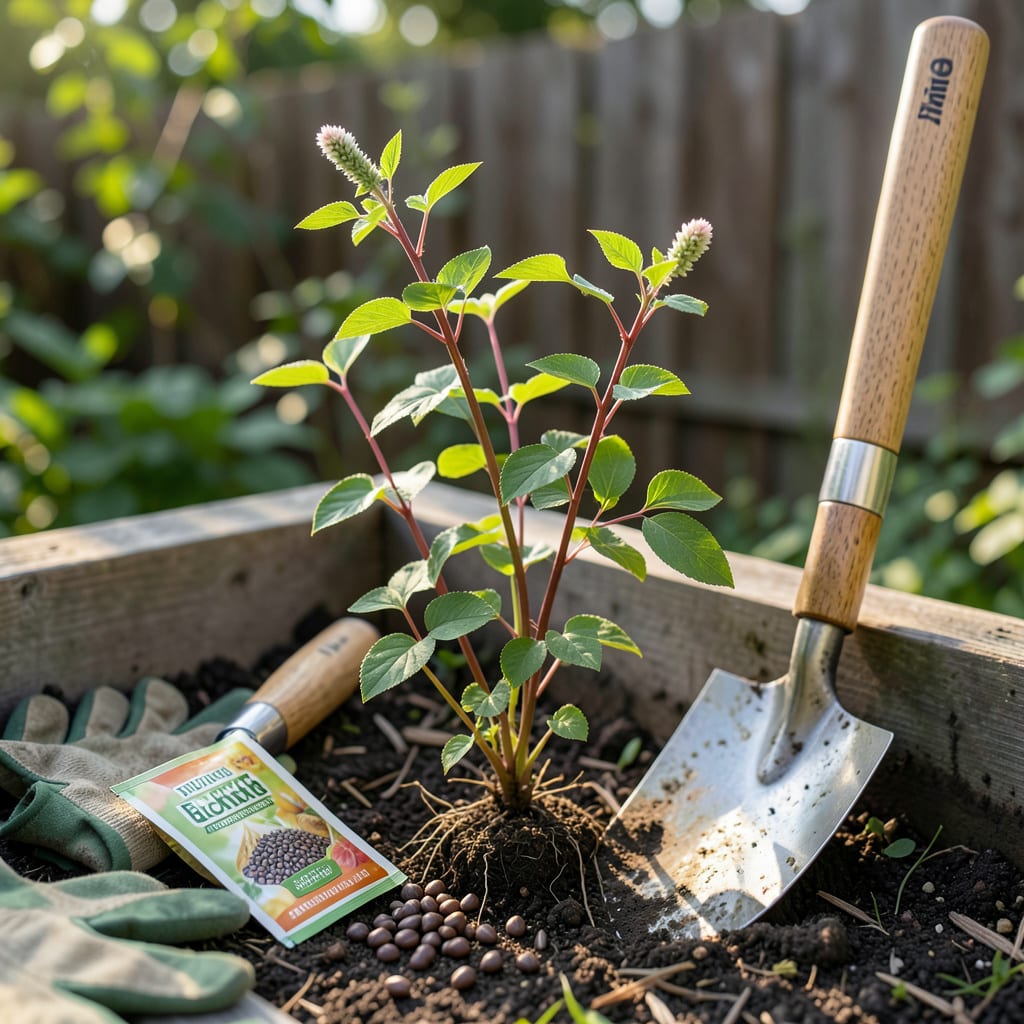
Timing can make or break your 🌾 buckwheat crop in Michigan—plant too early, and frost might wipe it out; wait too long, and you’ll miss its fast 60-day growth window. This hardy cover crop thrives in warmth but demands precision.
I’ve tested planting dates across Zone 5a-6b, and the sweet spot is clearer than you’d think. Whether you’re suppressing weeds or boosting soil, I’ll show you exactly when to sow for a bumper harvest—no guesswork required.
If you’re growing buckwheat in Michigan, timing isn’t just important—it’s everything. This fast-growing cover crop thrives in warmth, so planting too early means stunted growth, while planting too late risks frost damage. Michigan’s Zone 5 climate gives us a tight window, but nailing it ensures lush growth in just 60 days.
Buckwheat hates cold soil—it needs 50°F minimum to germinate well. In Michigan, that typically means waiting until late May for most regions. But don’t worry, I’ll break down the exact timing for both the Lower Peninsula and the cooler Upper Peninsula below.
In the Lower Peninsula, I’ve had the best luck planting buckwheat in late May after the soil warms. The Upper Peninsula runs cooler, so early June is safer. If you’re using buckwheat as a summer cover crop, aim for a July planting to fill gaps between vegetable rotations.
Soil temperature is your best friend here. Use a soil thermometer—if it’s below 50°F, hold off. Buckwheat seeds rot in cold, wet soil. Once temps hit 60°F, you’ll see sprouts in just 3–5 days. That’s why Michigan’s summer heat is perfect for this crop.
Watch the frost dates too. Buckwheat matures in 60–75 days, so planting after mid-August is risky. In Zone 5, our first frost usually hits by October 10. If you plant too late, you’ll end up with frost-killed plants before they set seed.
For succession planting, I like to sow buckwheat after harvesting early peas or lettuce. It grows fast enough to smother weeds before your fall crops go in. Just be sure to mow or till it under before it seeds—unless you want volunteers next year!
If you’re in southern Michigan, you might squeeze in a late August planting for a quick green manure boost. But up north? Stick to May–July to play it safe. Buckwheat’s short growing season is a blessing—just don’t push the limits.
Pro tip: Buckwheat loves poor soil and actually scavenges phosphorus, making it ideal for revitalizing tired garden beds. Plant it after heavy feeders like tomatoes or corn to recharge the soil naturally. Just keep the seeds moist until germination—then stand back and watch it grow!
Remember, buckwheat isn’t just a cover crop—it’s a pollinator magnet. Those tiny white flowers attract bees and beneficial insects like crazy. So if you’re planting in June or July, you’re also giving your garden’s ecosystem a big boost.
Now that you know when to plant buckwheat in Michigan, let’s talk about how to plant it right. This isn’t a fussy crop, but a few key steps will ensure you get the weed-smothering, soil-boosting results you’re after. I’ve learned the hard way that skimp on prep, and you’ll pay for it later.
Start with seed depth—buckwheat seeds are small but mighty. Plant them ½ to 1 inch deep, no deeper. If they’re buried too far, they’ll struggle to push through Michigan’s sometimes crusty soil. Spacing matters too: 2–3 inches apart in rows or broadcast evenly for full coverage.
❌ Over-seeding: More isn’t better—stick to 2–3 lbs per 1,000 sq ft to avoid crowding.
❌ Planting too late: After Aug 15, frost risk skyrockets before maturity.
❌ Skipping soil prep: While buckwheat tolerates poor soil, removing large weeds first prevents competition.
❌ Forgetting to terminate: Let it seed, and you’ll battle buckwheat volunteers next year!
Soil prep is minimal but critical. Buckwheat thrives in low-fertility soil, so skip heavy compost. Just rake the area smooth and remove any large weeds or debris. If your soil is compacted, a light tilling helps, but buckwheat’s roots will break up soil naturally as it grows.
Watering is simple: keep the soil moist until germination (usually 3–5 days), then back off. Buckwheat is drought-tolerant once established, but in Michigan’s hot July stretches, a weekly deep watering helps. Avoid overhead watering at night—powdery mildew can be an issue in humid summers.
For maximum weed suppression, plant buckwheat right after harvesting early crops like peas or spinach. Its dense growth will block sunlight to weeds while adding organic matter. If you’re using it as a green manure, mow or till it under at first flower (about 4–6 weeks) to avoid self-seeding.
Here’s a pro tip: Buckwheat’s white flowers are a pollinator powerhouse. If you plant in June or July, you’ll see your garden buzzing with bees and beneficial insects like hoverflies. This makes it a double-duty crop—soil builder and pollinator supporter in one!
When it comes to cover crops in Michigan, buckwheat stands out for its speed and simplicity. While crops like clover or rye have their place, buckwheat’s 30–60 day growth cycle makes it ideal for filling summer gaps between vegetable rotations. I’ve tested it against other options, and here’s why it often wins.
First, buckwheat grows faster than almost any other cover crop. In Michigan’s short growing season, that’s a game-changer. While winter rye takes months to establish, buckwheat can go from seed to flower in just 4–6 weeks. This makes it perfect for succession planting after early crops like peas or radishes.
Buckwheat also scavenges phosphorus, making it a soil revitalizer after heavy feeders like tomatoes or corn. Unlike clover, which fixes nitrogen, buckwheat unlocks trapped nutrients, giving your next crop a boost. I’ve seen tired garden beds bounce back after just one buckwheat cycle.
For weed control, buckwheat’s dense canopy blocks sunlight better than many alternatives. It’s also easier to terminate than grasses like rye—just mow or till when flowers appear. No tough stems to wrestle with! This makes it ideal for no-till gardeners who want to chop-and-drop without hassle.
The pollinator benefits are another bonus. Buckwheat’s white blooms attract bees, hoverflies, and predatory wasps, which help control pests naturally. If you’re planting in June or July, you’ll notice more beneficial insects patrolling your garden—no extra effort required.
🌼That said, buckwheat isn’t perfect for every situation. If you need winter cover, winter rye is a better choice. For long-term nitrogen fixation, clover wins. But for a fast, low-maintenance summer cover, buckwheat is hard to beat in Michigan’s climate.
Late May is ideal for most of the Lower Peninsula, once soil temps hit 50°F. In warmer microclimates near Lake Michigan, you might push to mid-May—but always check soil temp with a thermometer first.
Only in southern Michigan before August 15. Later plantings risk frost damage since buckwheat needs 60–75 days to mature. In the Upper Peninsula, stick to June–July plantings for safety.
Buckwheat grows 3x faster (60 days vs. clover’s 120+) and excels at phosphorus scavenging. Clover fixes nitrogen but takes longer. Use buckwheat for quick summer gaps; clover for long-term soil building.
Planting too late! Many assume buckwheat’s hardiness means it handles cold, but frost kills it instantly. Also, over-seeding (use 2–3 lbs/1,000 sq ft) or letting it flower uncontrollably leads to weedy volunteers next year.
It’s a pollinator magnet—bees and hoverflies adore its white blooms. Rarely attracts pests, but aphids may appear in humid summers. The beneficial insects it draws (like ladybugs) usually keep pests in check naturally.
