
Beautiful Plants For Your Interior
Beautiful Plants For Your Interior
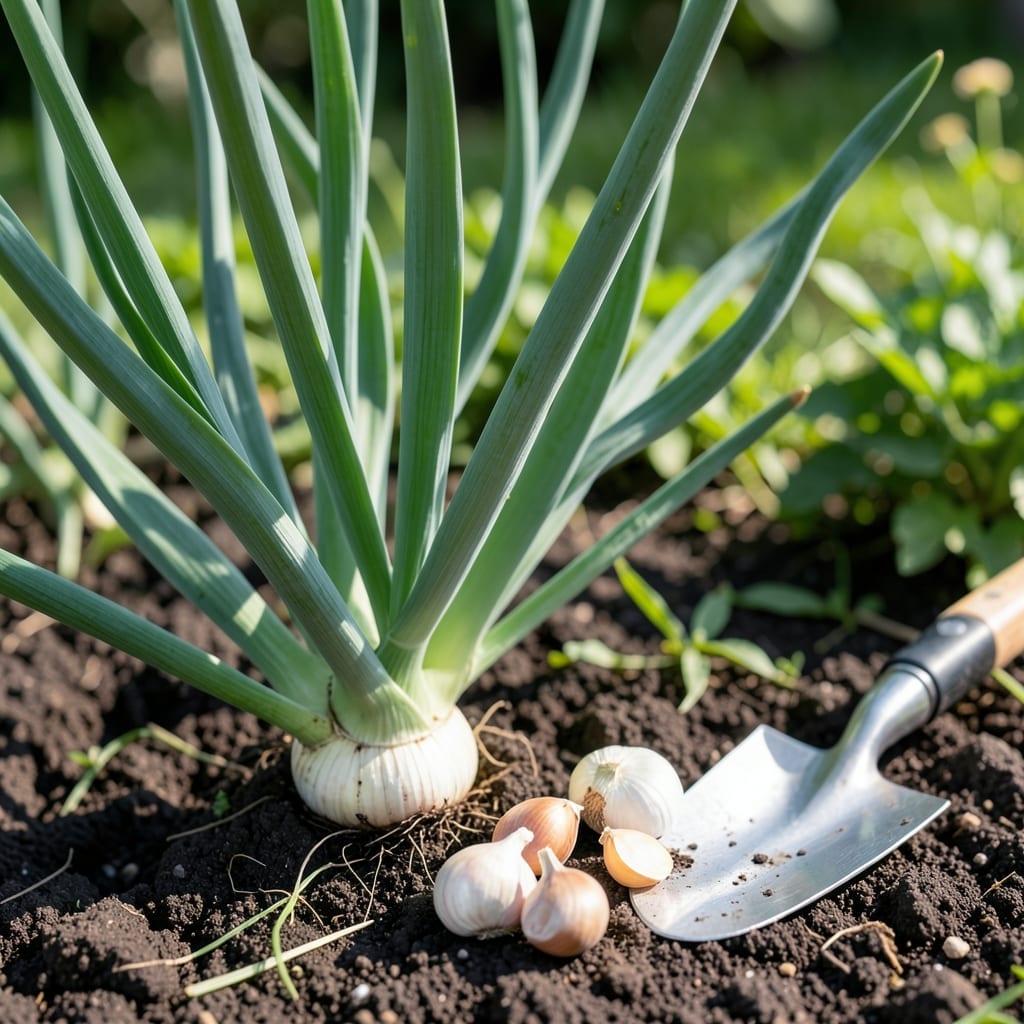
Timing is everything when it comes to planting Allium 🧅. Get it right, and you’ll enjoy stunning, globe-shaped blooms that transform your garden from spring to summer.
Whether you’re a seasoned gardener or just starting out, knowing the ideal window ensures your alliums thrive. In zone 6, aim for October-November or March-April planting.
I’ll walk you through the best practices for timing, soil prep, and regional tips. Let’s set your garden up for vibrant success.
Planting allium bulbs at the right time ensures vibrant, healthy blooms. The ideal window varies by USDA hardiness zone, with fall and spring being the primary seasons.
In colder zones like 3-5, plant in early fall (September-October) so bulbs establish roots before winter. Warmer zones 7-9 can plant later, even into November or early December.
| Climate Zone | Fall Planting Window | Spring Planting Window |
|---|---|---|
| Zones 3-5 | September-October | March-April |
| Zones 6-7 | October-November | March-April |
| Zones 8-9 | November-December | February-March |
For spring planting, wait until the soil is workable and temperatures reach at least 60°F. This is typically March-April in most regions.
Soil temperature is critical. Allium bulbs need cool soil (below 60°F) to root properly. Use a soil thermometer to check conditions before planting.
In mild climates (Zone 10+), alliums can be planted in late winter. However, they may need chilling treatment (6-8 weeks at 40°F) to trigger blooming.
Regional considerations matter too. In the Pacific Northwest, fall planting can extend into November due to mild winters. In the Southwest, earlier fall planting helps avoid extreme heat.
Ornamental alliums like Allium giganteum or Allium schubertii follow the same timing rules. Their large bulbs need extra time to establish, so fall planting is ideal.
If you miss the fall window, spring planting is still an option. Just expect slightly smaller blooms the first year as bulbs focus on root growth.
Always plant bulbs 2-3 times deeper than their diameter in well-draining soil. This prevents rot and encourages strong root development.
With the right timing, you’ll enjoy stunning purple globes that return year after year with minimal care 🌷
Preparing the perfect soil is the foundation for thriving alliums. I always start by choosing a well-draining location with full sun exposure to ensure vibrant blooms.
Alliums prefer loamy soil with a pH of 6.0-7.0. I recommend amending heavy clay or sandy soils with compost or aged manure to improve texture and fertility.
When planting, I dig individual holes for each bulb or create a trench for multiple bulbs. This ensures proper depth and spacing for optimal growth.
After placing the bulbs, I cover them with soil and gently press down to remove air pockets. A 2-inch layer of mulch helps retain moisture and suppress weeds.
Watering deeply after planting encourages root establishment. I water once a week if rainfall is less than 1 inch, keeping the soil consistently moist but not waterlogged.
For container planting, use a pot with drainage holes and a well-draining potting mix. Alliums in containers may need more frequent watering as soil dries out faster.
With proper soil prep and planting techniques, your alliums will reward you with spectacular blooms for years to come 🌷