
Beautiful Plants For Your Interior
Beautiful Plants For Your Interior
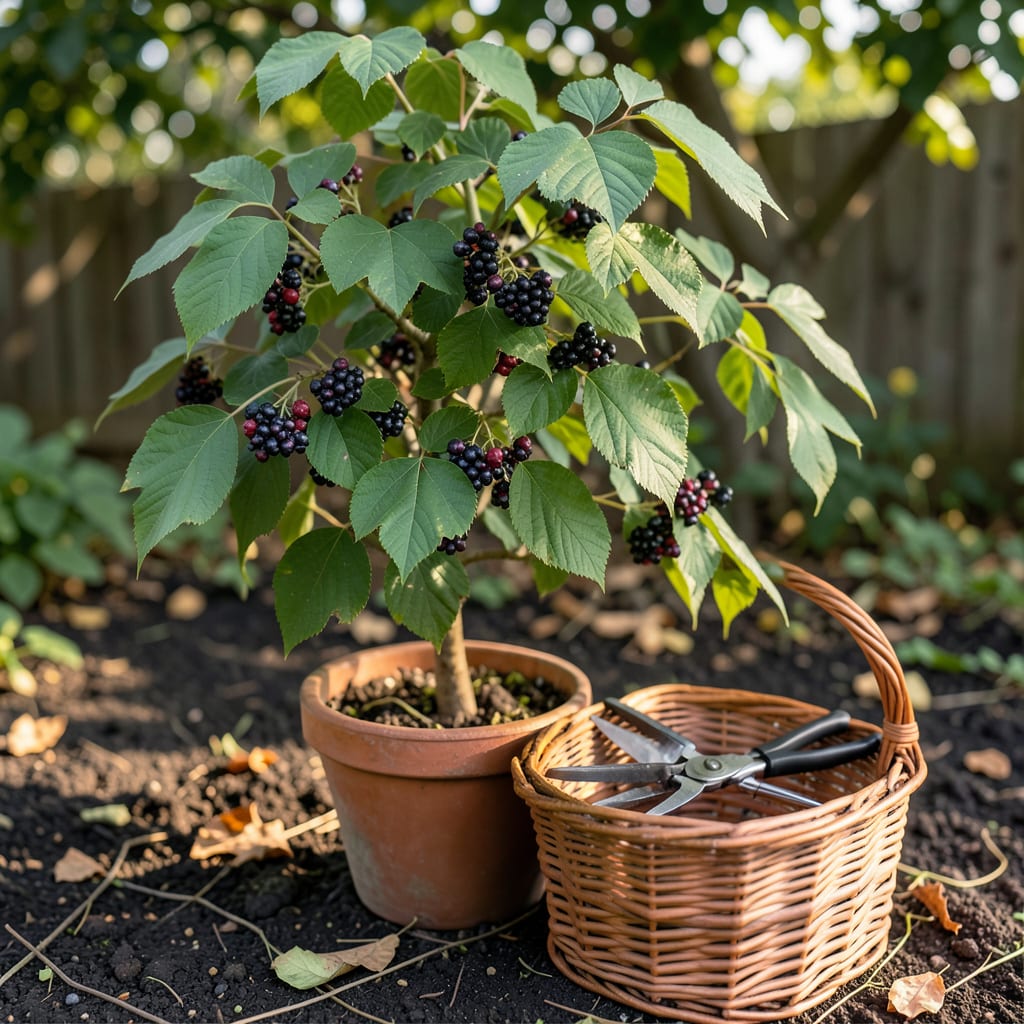
As late summer approaches, 🫐 elderberries begin to ripen, signaling the perfect time to harvest. Knowing when to pick them is crucial for maximizing their flavor and nutritional value.
In USDA Zone 6, elderberries typically reach their peak ripeness in late August to early September. I’ll guide you through the signs of ripeness and share expert tips on how to harvest them at the right time.


As late summer approaches, 🫐 elderberries begin to ripen, signaling the perfect time to harvest. Knowing when to pick them is crucial for maximizing their flavor and nutritional value.
In USDA Zone 6, elderberries typically reach their peak ripeness in late August to early September. I’ll guide you through the signs of ripeness and share expert tips on how to harvest them at the right time 🌟.
The optimal harvest time for elderberries is when they meet these criteria. In my experience, the berries are usually ready in late August or early September, depending on the specific variety and weather conditions.
Weather conditions play a significant role in determining the ripeness of elderberries. A period of warm and dry weather can accelerate the ripening process, while cool and wet conditions can delay it.
To check for ripeness, gently touch the berries. Ripe elderberries are slightly soft to the touch, while unripe ones are hard. You can also check the color and appearance of the clusters. If the berries are dark purple and the clusters are heavy, they’re likely ready to harvest 🌿.
When harvesting elderberries, it’s essential to handle the clusters carefully to avoid damaging the berries. Use a pair of clean scissors or pruning shears to cut the stem just above a leaf node, and gently place the clusters in a container.
After harvesting, you can use the elderberries immediately or store them properly to maintain their quality. Remove any stems or debris, and store the berries in a cool, dry place or freeze them for later use.
Elderberries are a versatile ingredient and can be used in various recipes, from jams and preserves to wines and medicinal products. By harvesting them at the right time, you can enjoy their maximum flavor and nutritional benefits.
To summarize, the key signs of elderberry ripeness include dark purple color, slightly soft texture, heavy clusters, and easy stem separation. By checking for these indicators and considering the weather conditions, you can determine the optimal time to harvest your elderberries and enjoy their many benefits 🌸.
Picking elderberries at the right time is crucial for maximizing their flavor and nutritional value. I recommend checking your elderberry bushes regularly during late summer to catch them at their peak ripeness.
In my experience, the best time to pick elderberries is when they’re dark purple and slightly soft to the touch. The clusters should be heavy with berries, and the stem should separate easily from the plant.
Gently touch the berries to check for ripeness. Ripe elderberries are dark purple and slightly soft.
Check that the clusters are heavy with berries and that some berries may be falling off.
Pick elderberries in the morning after the dew has dried but before the heat of the day.
By following these tips, you can enjoy your elderberries at their best flavor and nutritional value.
Elderberries are a versatile ingredient and can be used in various recipes. By picking them at the right time, you can make the most of their medicinal properties and culinary uses.
To get the most out of your elderberries, consider using them in recipes such as jams, preserves, and wines. You can also use them to make medicinal products like elderberry syrup.
In summary, picking elderberries at peak flavor requires checking their color, texture, and cluster appearance. By following the tips outlined above, you can enjoy your elderberries at their best and make the most of their many benefits 🌸.
When harvesting elderberries, it’s essential to avoid common mistakes that can affect the quality and flavor of the berries. One of the most significant errors is picking them too early or too late 🫐.
Picking elderberries too early can result in unripe or bitter berries, while picking them too late can cause them to become overripe and mushy. To avoid this, regularly check your elderberry bushes during late summer to catch them at their peak ripeness.
Avoid picking elderberries when they’re still green or red, as they may not be ripe yet. Also, be cautious of overripe berries, as they can be mushy and unpalatable.
Another mistake to avoid is not checking the color and texture of the berries. Ripe elderberries are typically dark purple and slightly soft to the touch. If they’re still hard or green, they’re not ready to be picked.
It’s also crucial to handle the clusters carefully to avoid damaging the berries. Use a pair of clean scissors or pruning shears to cut the stem just above a leaf node, and gently place the clusters in a container 🌿.
By being aware of these common mistakes and taking the necessary precautions, you can enjoy your elderberries at their best flavor and nutritional value.
In summary, avoiding common mistakes when picking elderberries requires checking their color, texture, and cluster appearance, as well as handling them carefully. By following these tips, you can make the most of your elderberries and enjoy their many benefits 🌸.
Elderberries are ripe when they’re dark purple and slightly soft to the touch. The clusters should be heavy with berries, and the stem should separate easily from the plant. Check your elderberry bushes regularly during late summer to catch them at their peak ripeness .
No, it’s best to avoid picking elderberries when they’re still green or red, as they may not be ripe yet. Wait until they’re dark purple and slightly soft to the touch. Picking them too early can result in unripe or bitter berries .
The best time to pick elderberries is in the morning after the dew has dried but before the heat of the day. This helps preserve their flavor and nutritional value.
How should I store freshly picked elderberries? After harvesting, remove any stems or debris, and store the berries in a cool, dry place or freeze them for later use. You can also use them immediately in various recipes, such as jams, preserves, and wines. Proper storage helps maintain their quality and flavor .
