
Beautiful Plants For Your Interior
Beautiful Plants For Your Interior
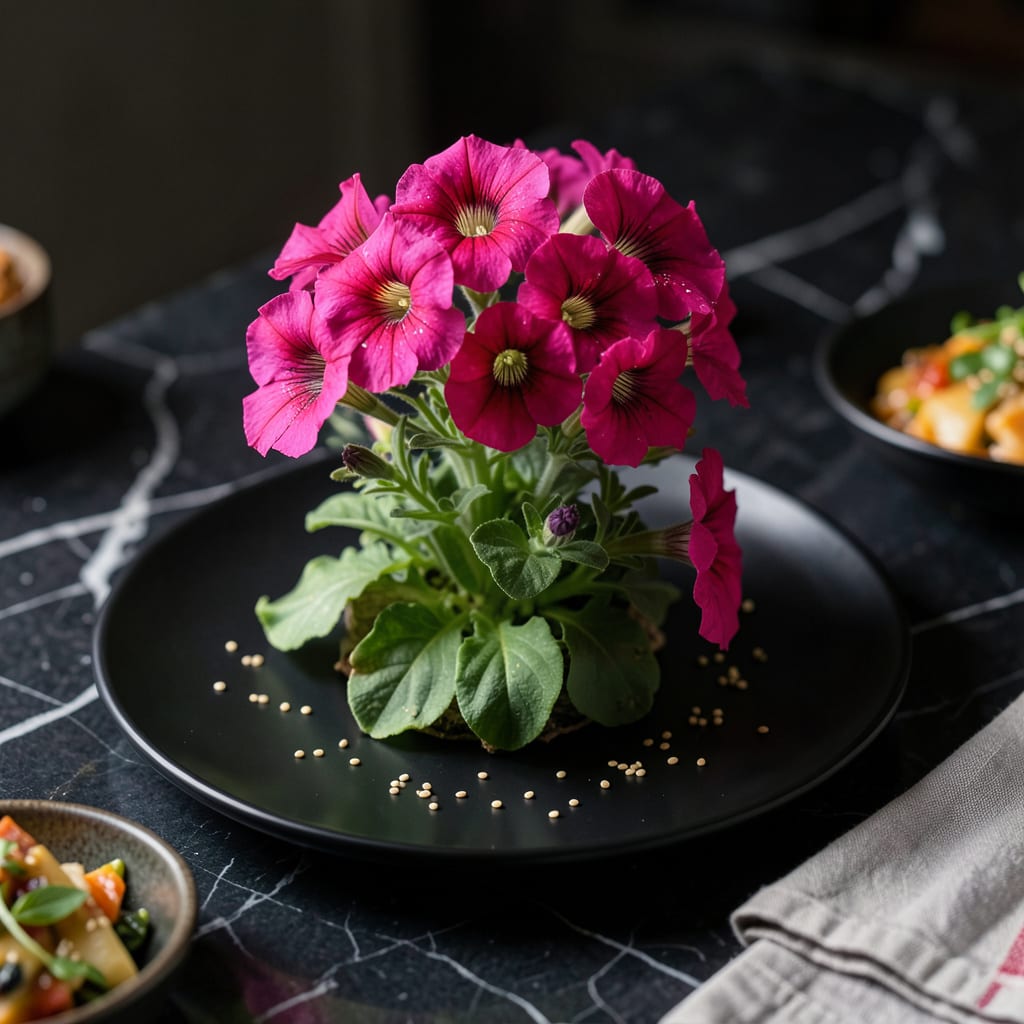
As spring arrives, gardeners eagerly await the bloom of their Petunias 💐. But have you ever wondered how tall these vibrant flowers can grow? Understanding their growth habits is key to planning a beautiful garden layout.
In USDA Zone 6, Petunias typically grow between 1-3 feet tall, depending on the variety and growing conditions. Let’s explore the factors that influence their height and how to support these stunning flowers.

Petunias are known for their vibrant colors and versatility in garden design, but their growth height can vary significantly based on several factors. Understanding these factors is crucial for gardeners who want to maximize their Petunia’s growth potential.
The height of Petunias is influenced by their variety, growing conditions, and care practices. Different varieties have distinct growth habits, ranging from compact and bushy to trailing and tall. 🌼
The specific growing conditions in your garden play a significant role in determining your Petunias’ height. Factors such as soil quality, sunlight exposure, and watering practices all contribute to the overall health and growth of the plants.
Petunias thrive in well-draining, fertile soil that is rich in organic matter. Ensuring your soil has the right balance of nutrients is key to supporting healthy growth. Additionally, Petunias require full sun to partial shade, with a minimum of six hours of direct sunlight per day to flourish.
Consistent watering practices are also essential. Petunias prefer consistent moisture, especially during dry spells, but they do not like to be waterlogged. Proper watering helps maintain healthy growth and encourages the plants to reach their maximum height potential.
Fertilization is another critical factor. Regular feeding with a balanced fertilizer can enhance growth and flowering. It’s recommended to fertilize Petunias every two weeks during the growing season to provide them with the necessary nutrients.
Pruning and deadheading are important care practices that can influence the height and overall appearance of Petunias. Regular pruning encourages bushier growth and prevents the plants from becoming leggy. By removing spent flowers, you encourage the plant to produce more blooms, which can also impact its overall height and vigor.
By understanding and managing these factors, gardeners can create optimal conditions for their Petunias to grow and thrive, achieving the desired height and enjoying a vibrant display of flowers throughout the growing season. 🌺
To help your Petunias reach their maximum height potential, it’s essential to provide them with the right growing conditions and care. Proper soil preparation, fertilization, and pruning techniques can make a significant difference in their growth.
First, ensure your Petunias are planted in well-draining, fertile soil that is rich in organic matter. This will provide them with the necessary nutrients for healthy growth. 🌿
Prepare your soil with compost or well-rotted manure to improve its fertility and drainage.
Feed your Petunias with a balanced fertilizer every two weeks during the growing season.
Regularly deadhead your Petunias to encourage more blooms and prevent legginess.
In addition to these tips, make sure your Petunias receive adequate sunlight and consistent watering. Petunias thrive in full sun to partial shade, so ensure they get at least six hours of direct sunlight per day. 💐
Consistent moisture is also crucial. Water your Petunias regularly, especially during dry spells, but avoid waterlogging the soil.
By following these expert gardening tips, you can help your Petunias reach their maximum height and enjoy a vibrant display of flowers throughout the growing season.
For taller Petunia varieties, consider providing support using stakes or trellises to keep them upright and promote even growth.
With the right care and conditions, your Petunias can grow to their full potential, adding beauty and vibrancy to your garden.
Growing Petunias can be a rewarding experience, but certain common mistakes can limit their growth potential. Understanding these pitfalls is crucial for gardeners who want to maximize their Petunia’s height and overall health.
One of the most significant mistakes gardeners make is inadequate soil preparation. Petunias thrive in well-draining, fertile soil rich in organic matter. Failing to prepare the soil properly can result in stunted growth and fewer blooms.
Avoid overwatering and under-fertilizing your Petunias, as these can significantly limit their growth potential.
Overwatering is another common mistake that can lead to root rot and other problems, ultimately stunting the plant’s growth. Petunias prefer consistent moisture but can’t tolerate waterlogged soil. Ensuring proper drainage and avoiding excessive watering can help prevent these issues.
Under-fertilizing can also be detrimental. Petunias are heavy feeders and benefit from regular fertilization. Using a balanced fertilizer every two weeks during the growing season can promote healthy growth and abundant flowering.
By being aware of these common mistakes and taking steps to avoid them, gardeners can create a more favorable environment for their Petunias to grow and thrive. 🌼
Regular monitoring and adjustment of care practices can help identify and correct these issues early on, ensuring your Petunias reach their full potential.
