
Beautiful Plants For Your Interior
Beautiful Plants For Your Interior
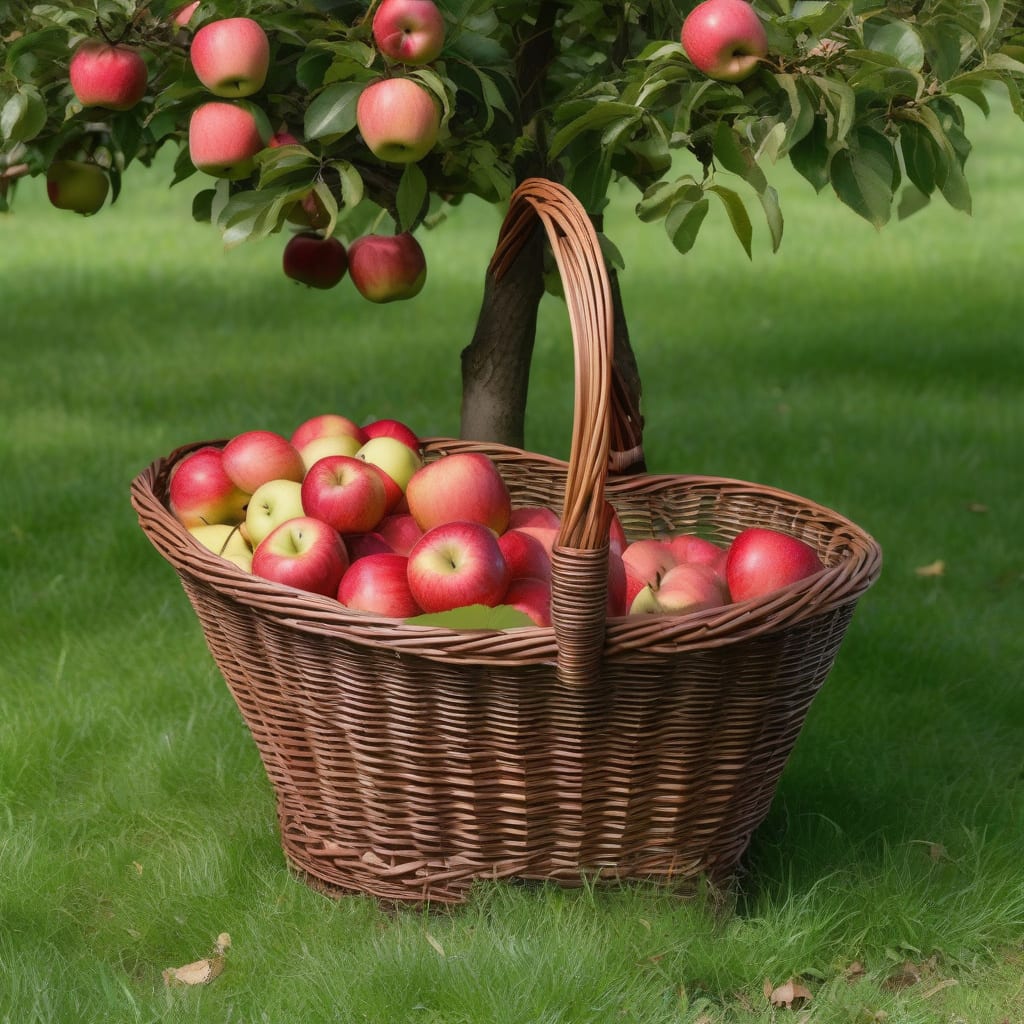
Picking apples at the perfect time is crucial for a delicious harvest 🍎. Knowing when to pick can be tricky, but understanding the signs of ripeness will make all the difference.
In USDA Zone 6, apple trees typically yield fruit between September and November. I’ll guide you through the key factors to determine when your apples are ready to enjoy.


Determining when to pick apples can be challenging, but there are several key signs to look for. The color of the apples is one of the first indicators – they will typically change from green to their variety-specific color.
Another important factor is the taste and texture of the apples. Ripe apples are sweet and crunchy, while unripe ones are often tart and hard. You can test this by picking one apple from the tree and tasting it.
The ease of picking is also a crucial indicator. Ripe apples will come off the tree with a gentle twist, while unripe ones will resist being pulled off. This method is particularly useful as it doesn’t damage the fruit.
In addition to these signs, you should also consider the weather conditions. Apples should be picked before the first frost, as frost can damage the fruit and affect its quality. Typically, apple trees in USDA Zone 6 are ready to harvest between September and November.
It’s also worth noting that different apple varieties have different optimal harvest times. Some apples are ready to pick earlier in the season, while others may be ready later. Understanding the specific variety of apple you are growing can help you determine the best time to pick.
By paying attention to these signs and factors, you can ensure that your apples are picked at the peak of ripeness, resulting in a delicious and crunchy harvest 🍎.
For the best results, it’s recommended to check your apples regularly as the harvest season approaches. This will help you catch them at the perfect time and enjoy the ability to pick and enjoy!
The combination of color change, taste testing, and ease of picking provides a comprehensive approach to determining when your apples are ready. By following these guidelines, you can enjoy a bountiful harvest of delicious, crunchy apples.
Different apple varieties have different optimal harvest times, making it crucial to understand the specific needs of your trees. The harvest season for apples can range from late summer to early winter, depending on the variety 🌳.
Understanding the specific variety of your apple trees is essential for determining the best harvest time. Early season varieties like Zestar and Paula Red are ready for harvest in late August to early September, while mid-season varieties such as Gala and Fuji are typically ready in September and October. Late season varieties, including Granny Smith and Honeycrisp, are harvested in October and November.
Each variety has its unique characteristics, such as sweetness, tartness, and texture, which are optimized at their respective harvest times. By knowing when to pick your apples, you can enjoy them at their best flavor and texture, whether you’re eating them fresh, baking with them, or storing them for later use 🍎.
To ensure a successful harvest, it’s also important to consider factors like weather conditions and the overall health of your trees. Regular monitoring and proper care will help you achieve a bountiful harvest of delicious apples.
By understanding the different harvest times for various apple varieties, you can plan your harvest accordingly and enjoy a diverse range of flavors and textures throughout the season.
For the best results, consult with local gardening experts or your nursery to determine the specific harvest times for your apple varieties in your region.
Picking apples can be a delicate process, as you want to enjoy your harvest without damaging the trees for future seasons. To achieve this, it’s essential to use proper picking techniques that minimize harm to the tree and its branches.
When picking apples, gently twist the fruit until it comes off the tree. Avoid pulling or tugging on the apples, as this can damage the branches and harm the tree. For apples that are difficult to reach, use a step stool or picking pole to avoid damaging the tree or injuring yourself.
Using the right tools can also make a big difference. A picking basket or bag can help you collect apples without bruising them or damaging the tree. You can also consider using a fruit picker tool, which allows you to pick apples from a distance without having to climb the tree.
It’s also crucial to avoid damaging the tree’s bark or branches while picking apples. Be mindful of your surroundings and avoid rubbing against the tree’s trunk or branches with your clothing or equipment. Any damage to the tree can make it more susceptible to disease and pests, which can impact future harvests.
By following these gentle picking techniques and using the right tools, you can enjoy your apple harvest while preserving the health and longevity of your trees.
After picking, it’s a good idea to inspect your trees for any signs of damage or disease. This will help you identify any potential issues early on and take corrective action to ensure the continued health of your trees.
For additional guidance on maintaining healthy apple trees, consider consulting with local gardening experts or your nursery for region-specific advice.
Check for color change, taste test for sweetness, and gently twist the apple. Ripe apples come off the tree easily. For most varieties, this happens between September and November in USDA Zone 6.
While you can pick apples before they’re fully ripe, they may not develop their full flavor and texture. For the best results, wait until they’re ripe. Some varieties like Granny Smith can be picked earlier for a tart flavor.
Check your apple trees every few days during harvest season, as apples can go from unripe to ripe quickly. Regular checks ensure you catch them at the perfect time. For early season varieties, start checking in late August.
Store apples in a cool, dry place or refrigerate them. Keep them away from strong-smelling foods, as apples can absorb odors easily. Proper storage can keep apples fresh for several months.
