
Beautiful Plants For Your Interior
Beautiful Plants For Your Interior
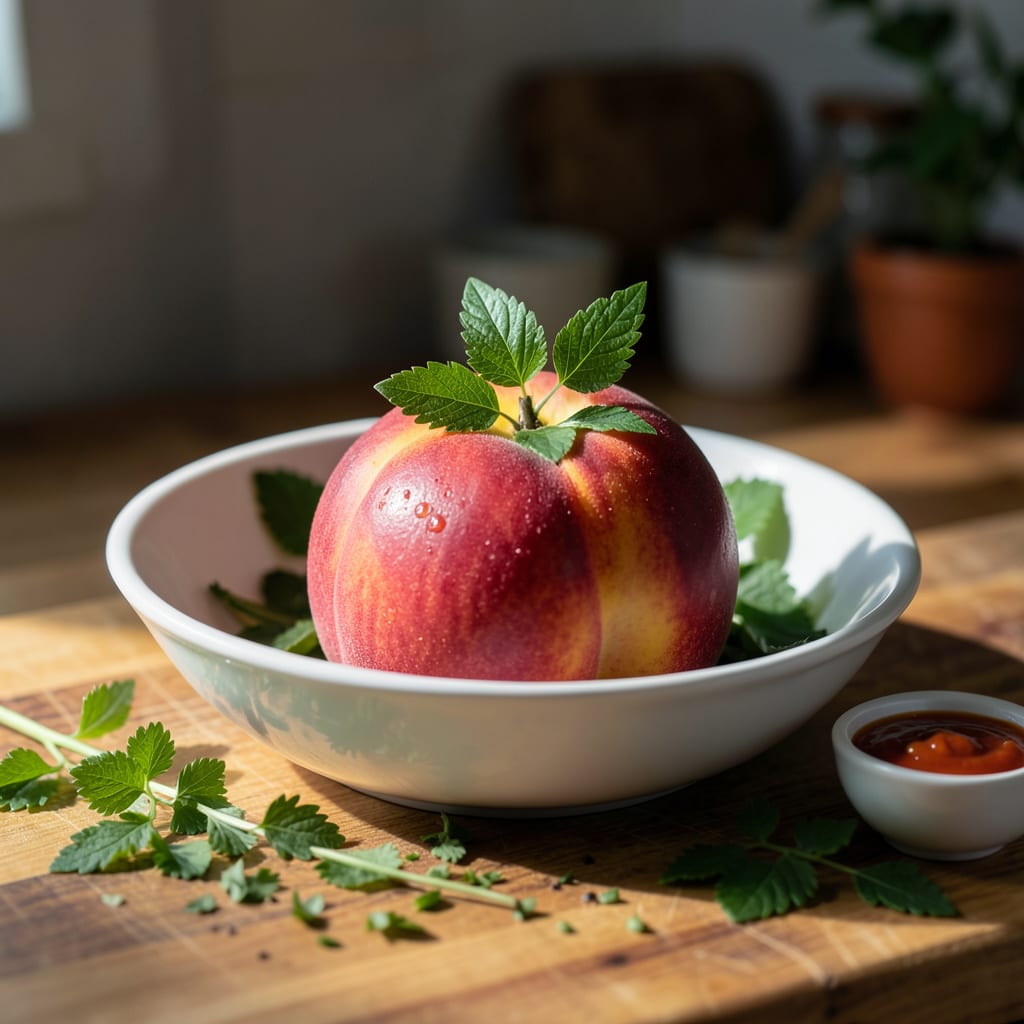
Fertilizing your 🍑 Peach Tree in Florida at the right time is crucial for a bountiful harvest. In Florida’s subtropical climate, timing is everything – fertilize too early or too late, and you might miss the optimal growth window.
I recommend fertilizing your Peach Tree during late winter to early spring, typically around February in Florida’s 9b zone. This timing supports healthy growth and fruit production, setting you up for success come May and June harvest time.

Fertilizing peach trees in Florida requires careful timing to ensure optimal growth and fruit production. The state’s subtropical climate means that peach trees have specific fertilization needs that differ from other regions.
I recommend fertilizing your peach trees during late winter to early spring, typically around February in Florida’s 9b zone. This timing supports healthy growth and fruit production, setting you up for success come May and June harvest time 🌟.
The late winter fertilization is critical as it provides essential nutrients for the upcoming growing season. This timing helps promote healthy bud development and fruit production.
In Florida’s 9b zone, the ideal fertilization window is typically between February and March, aligning with the tree’s natural growth cycle.
Fertilizing during this period supports the tree’s nutrient needs as it breaks dormancy and begins active growth. The recommended fertilizer type is a balanced 10-10-10 NPK formulation, which provides equal parts nitrogen, phosphorus, and potassium.
Application rates should be based on the tree’s trunk diameter, typically 1 cup of fertilizer per inch of trunk diameter. It’s essential to follow these guidelines to avoid over-fertilization, which can harm the tree.
For young trees (less than 3 years old), more frequent fertilization may be necessary, typically every 4-6 weeks during the growing season. Mature trees, on the other hand, require less frequent feeding, usually 2-3 times per year.
Soil testing is also crucial to determine the specific nutrient needs of your peach trees. Based on soil test results, you may need to adjust your fertilization schedule accordingly.
By following these guidelines and understanding the specific needs of your peach trees, you can optimize their growth and fruit production, ensuring a bountiful harvest year after year 🌿.
I always recommend keeping a fertilization log to track your applications and adjust your schedule as needed. This helps ensure you’re providing your trees with the right nutrients at the right time.
For more detailed information on fertilizing peach trees, including additional tips and considerations, be sure to check out our other resources on peach tree care 📚.
By understanding and implementing these fertilization strategies, you can enjoy a healthy and productive peach tree that provides delicious fruit for years to come 🍑.
Understanding the fertilization needs of peach trees at different ages is crucial for optimal growth and fruit production in Florida’s climate. Young trees require more frequent fertilization than mature trees.
I recommend creating a fertilization schedule based on the tree’s age to ensure you’re providing the right nutrients at the right time. Here’s a breakdown of the fertilization needs for peach trees of different ages 🌟.
The key to successful fertilization is understanding the tree’s nutrient needs at different stages of its life cycle. By adjusting your fertilization schedule accordingly, you can promote healthy growth and maximize fruit production.
For young trees, frequent fertilization supports rapid growth and development. As trees mature, their fertilization needs change, and less frequent applications are required.
Soil testing remains crucial across all tree ages to determine specific nutrient needs and adjust fertilization schedules accordingly.
By tailoring your fertilization strategy to the age and needs of your peach trees, you can ensure a healthy and productive orchard in Florida’s climate 🌿.
I always recommend monitoring tree health and adjusting fertilization practices based on observed growth and fruit production.
For more detailed guidance on fertilizing peach trees, including specific fertilizer recommendations and application tips, be sure to explore additional resources 📚.
Fertilizing peach trees in Florida requires more than just timing – understanding soil conditions and fertilizer types is crucial for optimal growth.
I recommend starting with a soil test to determine your soil’s nutrient levels and pH, as Florida’s soil can vary significantly across regions 🌟.
Test your soil annually to determine its nutrient content and pH level, adjusting your fertilization strategy accordingly.
The recommended fertilizer type for peach trees in Florida is a balanced 10-10-10 NPK formulation, providing equal parts nitrogen, phosphorus, and potassium.
Application rates should be based on the tree’s trunk diameter, typically 1 cup of fertilizer per inch of trunk diameter, spread evenly around the drip line.
For young trees (less than 3 years old), more frequent fertilization may be necessary, typically every 4-6 weeks during the growing season.
By following these guidelines and understanding the specific needs of your peach trees, you can optimize their growth and fruit production, ensuring a bountiful harvest year after year 🌿.
I always recommend keeping a fertilization log to track your applications and adjust your schedule as needed, ensuring you’re providing your trees with the right nutrients at the right time 📚.
The best time to fertilize peach trees in Florida is during late winter to early spring, typically around February in Florida’s 9b zone. This timing supports healthy growth and fruit production. Fertilizing at this time helps promote bud development and fruit production for the upcoming growing season.
The frequency of fertilization depends on the age of your peach trees. Young trees (1-3 years old) should be fertilized every 4-6 weeks during the growing season, while mature trees (4+ years old) typically require fertilization 2-3 times per year. Adjust your schedule based on soil test results and tree health.
A balanced 10-10-10 NPK fertilizer is recommended for peach trees in Florida. This type of fertilizer provides equal parts nitrogen, phosphorus, and potassium, supporting overall tree health and fruit production. The application rate should be based on the tree’s trunk diameter, typically 1 cup of fertilizer per inch of trunk diameter.
Yes, an optional second application of fertilizer can be made after harvest, typically in June or July. This helps support tree recovery and prepares it for the next growing season. However, avoid fertilizing too late in the season, as this can promote new growth that may not harden off before winter.
