
Beautiful Plants For Your Interior
Beautiful Plants For Your Interior
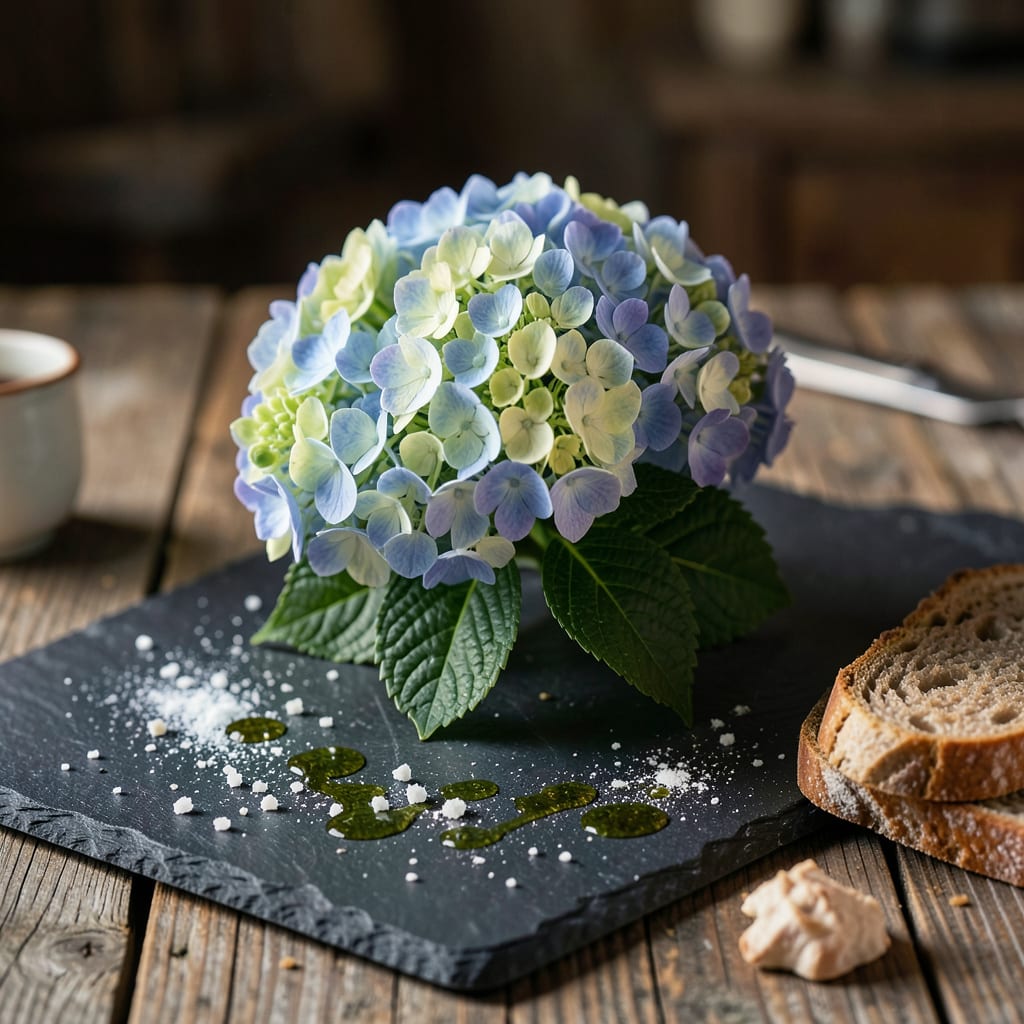
Fertilizing your Hydrangea 🌺 at the right time can make all the difference in achieving those stunning summer blooms. I’ve learned that timing is everything when it comes to giving your hydrangeas the nutrients they need to thrive.
In my experience, understanding when to fertilize is crucial, especially in USDA Zone 6 where the growing seasons can be quite distinct. Let’s explore the best practices for fertilizing your hydrangea to ensure it remains healthy and vibrant throughout the growing season.

Understanding when to fertilize your hydrangeas is crucial for their growth and blooming potential. In my experience, the timing of fertilization can significantly impact the health and vibrancy of these beautiful plants 🌺.
The ideal time to fertilize hydrangeas depends on their type and growth cycle. For most varieties, fertilizing in early spring and again in late summer or early fall is recommended. This schedule supports their growth during the growing season and helps them prepare for the next year’s blooms.
For Bigleaf hydrangeas, which are known for their large, showy blooms, it’s essential to maintain acidic soil with a pH between 6.0 and 6.5. This helps in achieving those beautiful blue blooms. On the other hand, Panicle hydrangeas are more adaptable to different soil conditions and can thrive in a wider pH range.
Fertilizing hydrangeas is not just about the timing; it’s also about understanding their nutrient requirements. A balanced fertilizer provides the necessary nutrients for healthy growth and blooming. However, it’s crucial to avoid over-fertilization, as this can lead to more foliage at the expense of blooms.
I recommend conducting a soil test to determine your hydrangea’s specific nutrient needs. This will help you choose the right type and amount of fertilizer. For most hydrangeas, a slow-release granular fertilizer applied in early spring is an effective option.
When applying fertilizer,
In addition to the right timing and type of fertilizer, maintaining good soil health is vital. Adding organic matter like compost can improve soil structure and fertility, providing a better environment for your hydrangeas to thrive.
For gardeners in USDA Zone 6, like myself, it’s essential to plan the fertilization schedule around the last frost date in spring and the first frost date in fall. This ensures that your hydrangeas are nourished during their active growing periods.
By following these guidelines and understanding the specific needs of your hydrangeas, you can enjoy healthier plants and more vibrant blooms. Fertilizing at the right time is a simple yet effective way to maximize your hydrangea’s potential 🌼.
Remember, the key to successful fertilization is not just about when you fertilize, but also how you do it. Taking the time to understand your plant’s needs and adjusting your care routine accordingly will pay off in the long run.
In my gardening journey, I’ve found that patience and observation are just as important as the right fertilization schedule. By paying attention to your hydrangeas and responding to their needs, you can create a thriving garden that brings joy for years to come.
Fertilizing hydrangeas effectively requires more than just knowing when to apply fertilizer. I’ve learned that choosing the right type of fertilizer and understanding how to apply it properly are crucial steps in promoting healthy growth and vibrant blooms 🌼.
The first step in fertilizing your hydrangeas is selecting the appropriate fertilizer. A balanced fertilizer with an NPK ratio of 10-10-10 is generally recommended for most hydrangea varieties. This type of fertilizer provides equal parts nitrogen, phosphorus, and potassium, supporting overall plant health and development.
For Bigleaf hydrangeas, consider using a fertilizer that can help adjust soil pH if needed, as this affects bloom color. For Panicle hydrangeas, a general balanced fertilizer will suffice.
When applying fertilizer, it’s essential to follow the manufacturer’s instructions to avoid over-fertilization. Typically, you’ll want to apply fertilizer in early spring as new growth begins and again in late summer or early fall to support the plant through the growing season.
One common mistake gardeners make is fertilizing too late in the season. Fertilizing in late fall or winter can encourage new growth that may not have time to harden off before frost, potentially damaging the plant. Instead, focus on fertilizing during the active growing periods in spring and late summer.
In my experience, it’s also beneficial to test your soil periodically. A soil test can provide valuable insights into your hydrangea’s nutrient needs, helping you choose the most appropriate fertilizer. This proactive approach ensures that your fertilization efforts are both effective and efficient.
By combining the right fertilizer with proper application timing, you can significantly improve the health and blooming potential of your hydrangeas. Remember, the goal is to support your plant’s growth and development, not just to follow a fertilization schedule blindly.
As you continue to care for your hydrangeas, keep in mind that fertilization is just one aspect of their overall care. Combining proper fertilization with good watering practices, appropriate pruning, and suitable soil conditions will result in a thriving and beautiful hydrangea plant 🌺.
With these tips and a bit of practice, you’ll be well on your way to enjoying stunning hydrangea blooms in your garden. Happy gardening!
When fertilizing hydrangeas, it’s essential to consider factors beyond just the timing and type of fertilizer. I’ve found that understanding how soil pH affects nutrient availability is crucial for optimal plant health 🌼.
Soil pH plays a significant role in determining the color of Bigleaf hydrangea blooms. Acidic soil with a pH below 6.5 promotes blue flowers, while alkaline soil with a pH above 7.0 encourages pink blooms. Maintaining the right soil pH is vital for achieving the desired bloom color.
To achieve optimal bloom color and health, consider both fertilization and soil pH management. Regular soil testing can help you make informed decisions about your hydrangea care routine.
In addition to fertilization and soil pH management, watering practices are also critical. Hydrangeas prefer consistent moisture, especially during the growing season. However, overwatering can be detrimental, leading to root rot and other issues.
I recommend watering deeply once or twice a week, depending on weather conditions. It’s also beneficial to mulch around the base of your hydrangeas to retain moisture and regulate soil temperature.
By considering these additional factors and integrating them into your care routine, you can create an optimal environment for your hydrangeas to thrive. Remember, successful gardening is about balancing multiple factors to support your plants’ overall health and vitality 🌺.
As you continue to care for your hydrangeas, keep in mind that every garden is unique. Be prepared to adjust your strategies based on your specific climate, soil conditions, and plant responses.
With a comprehensive approach to hydrangea care, including proper fertilization, soil management, and watering practices, you’ll be well on your way to enjoying beautiful, healthy plants in your garden.
Fertilize your hydrangea every 4-6 weeks during the growing season, typically in spring and late summer. This schedule supports healthy growth and blooming. For most varieties, a balanced fertilizer (10-10-10 NPK) is recommended.
Yes, you can fertilize your hydrangea in early fall, but avoid fertilizing in late fall or winter. Fertilizing too late can encourage new growth that may not harden off before frost. Instead, focus on fertilizing during the active growing periods in spring and late summer.
A balanced fertilizer with an NPK ratio of 10-10-10 is generally recommended for most hydrangea varieties. For Bigleaf hydrangeas, consider using a fertilizer that can help adjust soil pH if needed, as this affects bloom color.
Soil pH significantly impacts the color of Bigleaf hydrangea blooms. Acidic soil (pH below 6.5) promotes blue flowers, while alkaline soil (pH above 7.0) encourages pink blooms. Maintaining the right soil pH is crucial for achieving the desired bloom color.
