
Beautiful Plants For Your Interior
Beautiful Plants For Your Interior
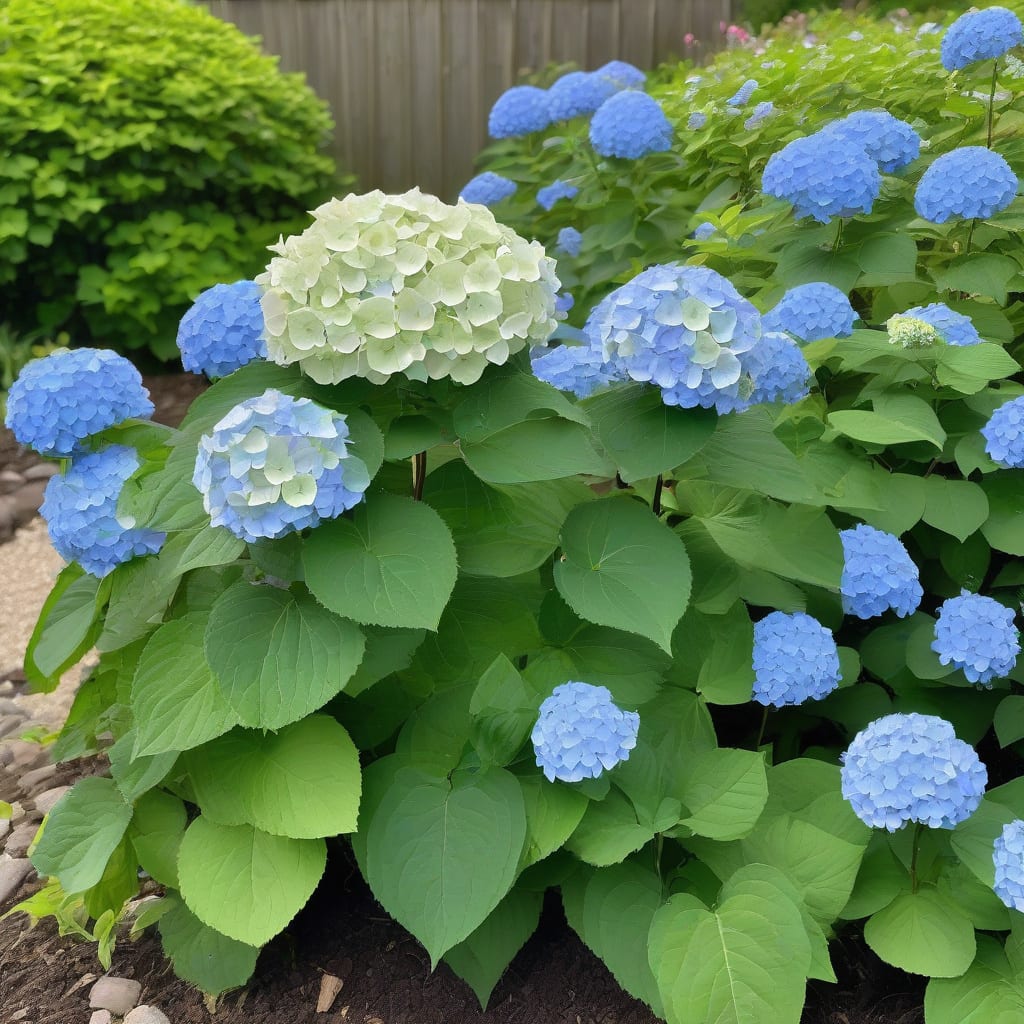
When I first planted my Hydrangea 🌺, I had no idea how tall it would grow. Understanding the growth habits of these beautiful shrubs is crucial for proper placement in your landscape, especially in USDA Zone 6.
Let’s explore what affects their height and how to manage their growth for stunning blooms.


When I first planted my Hydrangea, I was curious about how tall it would grow. The height of these beautiful shrubs can vary significantly based on several factors, including the specific variety, growing conditions, and the level of care they receive 🌺.
Understanding these factors is crucial for gardeners to make informed decisions about placement and maintenance. Let’s explore the key elements that influence hydrangea height and what you can expect from these stunning plants.
Hydrangeas are generally considered medium-sized shrubs, with typical mature heights ranging between 3 to 8 feet. However, some varieties can grow taller or remain more compact. For example, Bigleaf hydrangeas usually reach 3-6 feet, while Panicle hydrangeas can grow much taller, up to 8-10 feet or more in ideal conditions 🌿.
The growing conditions play a crucial role in determining the actual height of your hydrangea. Plants receiving adequate sunlight and having a well-draining, nutrient-rich soil will generally grow more vigorously than those in less favorable conditions. Understanding these factors helps in setting realistic expectations for your plant’s growth.
Let’s examine the specific growth characteristics of different hydrangea varieties and how various factors influence their height. This information will help you make the most of your hydrangea plants, whether you’re looking for a compact addition to your garden or a statement piece 🌼.
I recommend checking the specific variety of your hydrangea to understand its potential mature height. This knowledge will guide your placement and maintenance decisions, ensuring your hydrangea thrives in its chosen location.
Proper care and maintenance are essential for achieving the desired height and promoting healthy growth. Regular watering, appropriate fertilization, and timely pruning are key practices that support optimal development.
By understanding the factors that influence hydrangea height, you can better manage their growth and enjoy their beautiful blooms for years to come. Whether you’re a seasoned gardener or just starting out, knowing what to expect from your hydrangeas will help you create a stunning and thriving garden 🌻.
In the next sections, we’ll explore how to manage hydrangea height through pruning and care, as well as how to choose the right variety for your space. This will provide you with a comprehensive understanding of how to make the most of these beautiful plants.
By combining the right variety with proper care, you can achieve the desired height and enjoy the full beauty of your hydrangeas. Happy gardening! 🌼
When it comes to managing hydrangea height, pruning and proper care are essential. By understanding how to prune your hydrangeas effectively, you can control their size and promote healthy growth 🌿.
Let’s explore the steps involved in pruning and caring for your hydrangeas to achieve the desired height.
Prune your hydrangeas at the right time to avoid damaging the plant. For most varieties, the best time to prune is in late winter or early spring.
Start by removing any dead or damaged branches. This helps prevent disease and encourages healthy growth.
Selectively remove older branches to allow more light and air circulation, promoting healthier growth and better blooming.
Finally, shape your hydrangea by cutting back overgrown branches to maintain the desired size and shape.
In addition to pruning, proper care is crucial for managing hydrangea height. This includes providing the right amount of water, fertilizer, and ensuring they receive adequate sunlight 🌻.
By combining effective pruning techniques with proper care, you can keep your hydrangeas healthy and at the desired height. Regular maintenance will also encourage more blooms and a fuller plant 🌼.
Let’s summarize the key points for managing hydrangea height through pruning and care:
By following these steps and tips, you can effectively manage the height of your hydrangeas and enjoy their beautiful blooms for years to come 🌺.
When selecting a hydrangea variety, it’s essential to consider the mature size of the plant to ensure it fits well in your garden or landscape 🌺.
Different types of hydrangeas have varying growth habits and mature heights. Understanding these differences will help you choose the right variety for your available space.
By understanding the growth habits of different hydrangea varieties, you can make an informed decision that suits your garden’s needs 🌼.
I recommend checking the specific variety of your hydrangea to understand its potential mature height and growth characteristics. This knowledge will help you plan your garden layout effectively.
Whether you’re looking for a compact hydrangea for a smaller space or a taller variety for a statement piece, there’s a hydrangea type that will fit your needs 🌻.
