
Beautiful Plants For Your Interior
Beautiful Plants For Your Interior
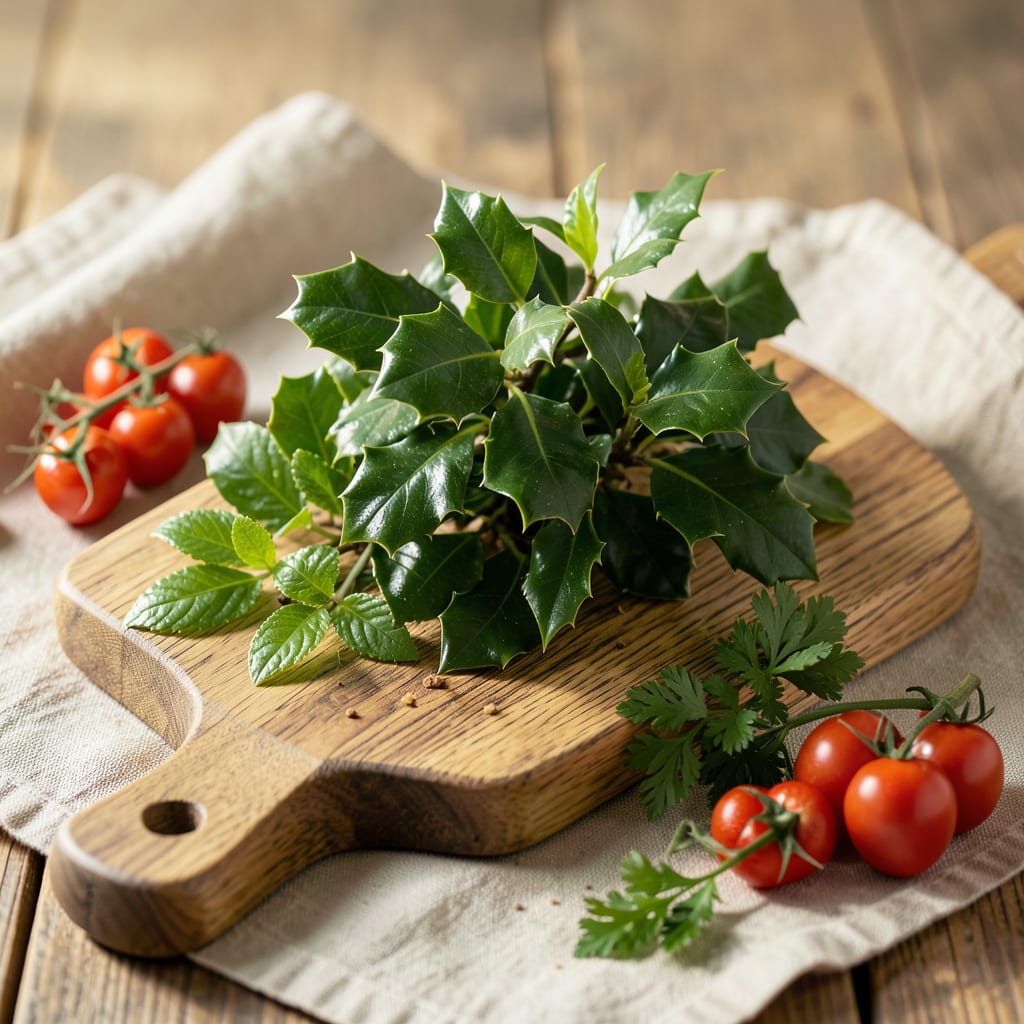
As I tend to my Holly Tree 🌳, I realize that fertilizing at the right time is crucial for its health. Fertilization during the growing season can make all the difference in maintaining its vibrant foliage.
In USDA Zone 6, the ideal times to fertilize are during Spring and Fall, when the tree is actively growing. I’ll guide you through the best practices for keeping your Holly Tree thriving.

Fertilizing holly trees at the right time is crucial for maintaining their vibrant foliage and promoting healthy growth throughout the year. In USDA Zone 6, the ideal times to fertilize are during Spring and Fall, when the tree is actively growing. 🌱
The best time to fertilize holly trees is in early Spring, after new growth begins, and again in Fall, to promote root growth before winter. This schedule allows the tree to absorb nutrients during its active growing periods.
Understanding the growth cycle of holly trees is essential for determining the best fertilization schedule. Holly trees typically experience schedule is influenced by factors such as soil type, climate, and the specific needs of the holly tree variety.
Fertilization frequency is another critical aspect. Holly trees generally benefit from fertilization every 6-8 weeks during the growing season. However, it’s crucial to avoid over-fertilization, which can harm the tree.
The type of fertilizer used is also important. A balanced, acidic fertilizer with an NPK ratio of 10-10-10 is recommended for holly trees. This type of fertilizer provides the necessary nutrients without causing an imbalance in the soil pH.
When applying fertilizer, it’s essential to follow the recommended dosage. Typically, 1 cup of fertilizer per 10 square feet of soil surface area is sufficient. The best time to apply fertilizer is in the early morning, when the tree is most receptive to nutrients.
Soil conditions play a significant role in the effectiveness of fertilization. Holly trees prefer well-draining, acidic soil with a pH between 6.0 and 6.5. Testing the soil before fertilization can help determine if any adjustments are needed.
By following these guidelines and understanding the seasonal needs of holly trees, you can create an effective fertilization plan that promotes healthy growth and maintains the tree’s vibrant foliage throughout the year. 🌿
Regular monitoring of the tree’s response to fertilization is also crucial. Adjustments may be necessary based on the tree’s growth and any changes in soil conditions.
It’s also worth noting that young holly trees may require more frequent fertilization than mature trees. However, it’s essential to avoid over-fertilizing young trees, as this can cause more harm than good.
By combining proper fertilization with other good gardening practices, such as regular watering and pruning, you can help your holly tree thrive and enjoy its beauty for years to come.
In conclusion, fertilizing holly trees at the right time and in the right manner is crucial for their health and vitality. By
I find that fertilizing holly trees effectively requires careful consideration of several factors, including the type of fertilizer, application methods, and dosage. Choosing the right fertilizer type is crucial, as holly trees benefit from a balanced, acidic fertilizer with an NPK ratio of 10-10-10. 🌱
The application method is also important. I recommend applying fertilizer in the early morning, when the tree is most receptive to nutrients. It’s essential to follow the recommended dosage to avoid over-fertilization, which can harm the tree.
When fertilizing holly trees,
Fertilization frequency is another critical aspect. Holly trees generally benefit from fertilization every 6-8 weeks during the growing season. However, it’s crucial to avoid over-fertilization, which can cause more harm than good.
Soil conditions play a significant role in the effectiveness of fertilization. Holly trees prefer well-draining, acidic soil with a pH between 6.0 and 6.5. Testing the soil before fertilization can help determine if any adjustments are needed.
By following these guidelines and understanding the seasonal needs of holly trees, you can create an effective fertilization plan that promotes healthy growth and maintains the tree’s vibrant foliage throughout the year.
Regular monitoring of the tree’s response to fertilization is also crucial. Adjustments may be necessary based on the tree’s growth and any changes in soil conditions.
It’s also worth noting that young holly trees may require more frequent fertilization than mature trees. However, it’s essential to avoid over-fertilizing young trees, as this can cause more harm than good.
When fertilizing holly trees, it’s essential to avoid common mistakes that can harm their health. One of the most critical errors is over-fertilization, which can cause damage to the tree’s roots and leaves. I recommend following the recommended fertilizer dosage and avoiding frequent applications. 🌳
Another mistake to avoid is fertilizing during the wrong season. Holly trees typically benefit from fertilization during Spring and Fall, when they’re actively growing. Fertilizing during the Winter or Summer can be detrimental to the tree’s health.
Avoid over-fertilizing holly trees, as this can cause root damage and leaf burn.
Soil conditions also play a significant role in fertilization. Holly trees prefer well-draining, acidic soil with a pH between 6.0 and 6.5. Testing the soil before fertilization can help determine if any adjustments are needed.
By being aware of these common mistakes and taking steps to avoid them, you can create an effective fertilization plan that promotes healthy growth and maintains the tree’s vibrant foliage throughout the year.
Regular monitoring of the tree’s response to fertilization is also crucial. Adjustments may be necessary based on the tree’s growth and any changes in soil conditions.
It’s also worth noting that young holly trees may require more frequent fertilization than mature trees. However, it’s essential to avoid over-fertilizing young trees, as this can cause more harm than good.
Fertilize holly trees in early Spring after new growth begins, and again in Fall to promote root growth before winter. This schedule allows the tree to absorb nutrients during its active growing periods.
Holly trees generally benefit from fertilization every 6-8 weeks during the growing season. However, avoid over-fertilization, which can harm the tree. Adjust frequency based on soil conditions and tree response.
A balanced, acidic fertilizer with an NPK ratio of 10-10-10 is recommended for holly trees. This type provides necessary nutrients without causing soil pH imbalance. Choose a fertilizer that matches your soil type.
While holly trees benefit from light feeding during Summer to maintain soil health, avoid heavy fertilization. A light application helps maintain soil nutrients without causing excessive growth. Monitor your tree’s response and adjust accordingly.
