
Beautiful Plants For Your Interior
Beautiful Plants For Your Interior
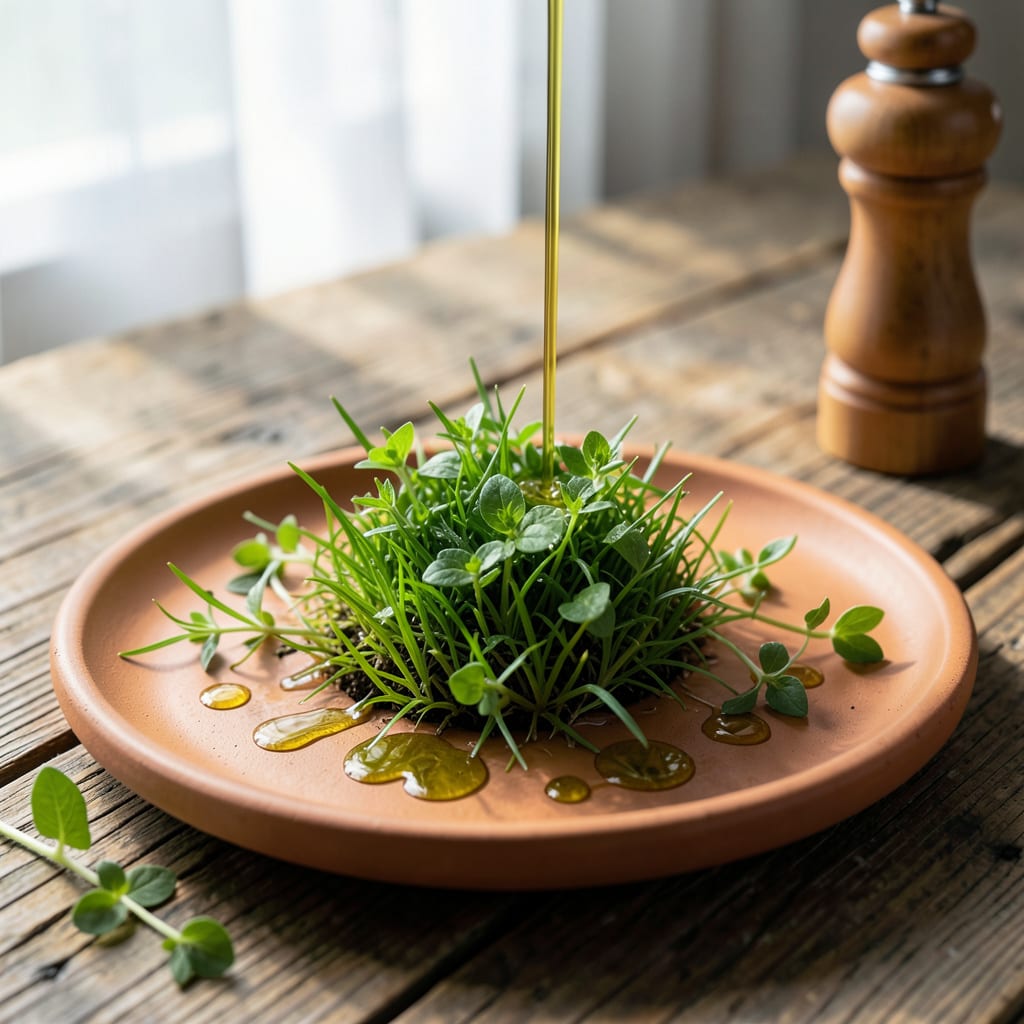
As spring arrives, your Lawn Grass 🌿 begins to grow again, and proper fertilization becomes crucial for a healthy, lush lawn throughout the season. Timing is everything – fertilizing at the right moment can make all the difference in achieving that perfect green carpet you’re looking for.
In USDA Zone 6, where spring growth is particularly vibrant, understanding when to fertilize can be the key to maximizing your lawn’s potential. Let’s explore the best practices for spring lawn fertilization.

Understanding when to fertilize your lawn in spring is crucial for promoting healthy growth and achieving a lush, green carpet. The ideal timing depends on several factors including your grass type, local climate, and regional considerations.
In general, the best time to fertilize your lawn in spring is when the soil temperature reaches 55°F to 65°F, typically around late March to early May, depending on your location. This temperature range signals the start of active growth for most cool-season grasses 🌿.
For cool-season grasses, such as Kentucky bluegrass and perennial ryegrass, apply fertilizer as soon as the ground is workable in early spring. This helps promote healthy growth and recovery from winter stress.
For warm-season grasses like Bermuda grass and zoysia grass, wait until the soil has warmed up to 65°F, usually around late spring. This timing supports the grass as it begins its active growth phase.
In the transition zone, where both cool-season and warm-season grasses are found, fertilize in late spring when the grass is actively growing. This might involve a split application for some lawns, applying fertilizer both in early and late spring 🌱.
Understanding your specific grass type and local climate conditions is key to determining the optimal fertilization timing. Consulting with local gardening experts or your cooperative extension can provide more tailored advice for your area.
It’s also important to consider the last frost date in your area. For many regions, fertilizing after this date ensures that the fertilizer is available to the grass as it begins its active growth period.
By synchronizing your fertilization with the natural growth cycle of your lawn, you can achieve maximum effectiveness and promote a healthy, vibrant lawn throughout the growing season.
Always follow the recommended application rates on your fertilizer package to avoid over-fertilizing, which can harm your lawn and the environment.
Spring fertilization sets the stage for a healthy lawn throughout the year. By choosing the right time and type of fertilizer, you can enjoy a lush, green lawn that enhances your outdoor space 🌿.
Choosing the right fertilizer for your lawn in spring is crucial for promoting healthy growth and achieving a lush, green carpet. The type of fertilizer you select depends on several factors including your grass type, soil condition, and personal preferences regarding organic versus synthetic options 🌿.
There are several types of fertilizers available for spring lawn care, each with its own benefits and considerations. Understanding these options will help you make an informed decision that best suits your lawn’s needs.
For most lawns, a balanced fertilizer with an N-P-K ratio of 10-10-10 or 15-5-10 is suitable. However, it’s essential to test your soil to determine its specific nutrient needs. This can help you choose a fertilizer that addresses any deficiencies, ensuring your lawn receives the right nutrients 🌱.
When applying fertilizer, always follow the manufacturer’s instructions to avoid over-fertilizing. Over-fertilization can damage your lawn and contribute to environmental pollution.
In addition to choosing the right type of fertilizer, consider using a slow-release formula. These products provide nutrients to your lawn over an extended period, promoting consistent growth and reducing the risk of over-fertilization.
By selecting the appropriate fertilizer and following proper application guidelines, you can support your lawn’s health and vitality throughout the spring and beyond 🌿.
For more specific advice tailored to your region and lawn type, consider consulting with local gardening experts or your cooperative extension for guidance on the best fertilization practices.
Spring is a critical time for lawn care, and the right fertilization strategy can make a significant difference in your lawn’s appearance and health. By understanding your options and making informed choices, you can achieve a beautiful, thriving lawn that enhances your outdoor space.
To achieve the best results from your spring lawn fertilization, it’s essential to combine it with other lawn care practices. Proper mowing, watering, and weed control can significantly enhance the effectiveness of your fertilization efforts 🌱.
Keep your lawn at the recommended height for your grass type. For cool-season grasses, maintain a height of 2.5-3 inches, while warm-season grasses typically do well at 1-2 inches. Regular mowing promotes healthy growth and helps prevent weed invasion.
Water your lawn deeply to encourage deep root growth. Aim for about 1 inch of water per week, either from rainfall or irrigation. Watering deeply but less frequently is more effective than frequent shallow watering 🌿.
Apply a pre-emergent herbicide in early spring to prevent crabgrass and other annual weeds. For existing weeds, use a post-emergent herbicide or manually remove them to prevent competition for nutrients.
By following these additional spring lawn care tips, you can create an optimal environment for your lawn to thrive. Combining proper fertilization with good mowing, watering, and weed control practices will result in a healthy, lush lawn that enhances your outdoor space 🌿.
For more specific advice tailored to your region and lawn type, consider consulting with local gardening experts or your cooperative extension for guidance on the best spring lawn care practices.
By implementing these strategies, you’ll be well on your way to achieving a beautiful, thriving lawn throughout the growing season.
The ideal soil temperature for spring fertilization is between 55°F to 65°F. This range typically occurs around late March to early May, depending on your location. Fertilizing within this temperature range supports healthy growth for most cool-season grasses .
For most lawns, fertilizing once in early spring is sufficient. However, some lawns may benefit from a split application, with the second application in late spring. The frequency depends on your grass type, soil condition, and the type of fertilizer used .
No, the type of fertilizer you should use depends on your grass type and soil condition. A balanced fertilizer with an N-P-K ratio of 10-10-10 or 15-5-10 is generally suitable. It’s best to test your soil to determine its specific nutrient needs before choosing a fertilizer .
Common mistakes include over-fertilizing, which can harm your lawn and the environment, and fertilizing too early or too late in the season. Always follow the manufacturer’s instructions and consider consulting with local gardening experts for region-specific advice .
