
Beautiful Plants For Your Interior
Beautiful Plants For Your Interior
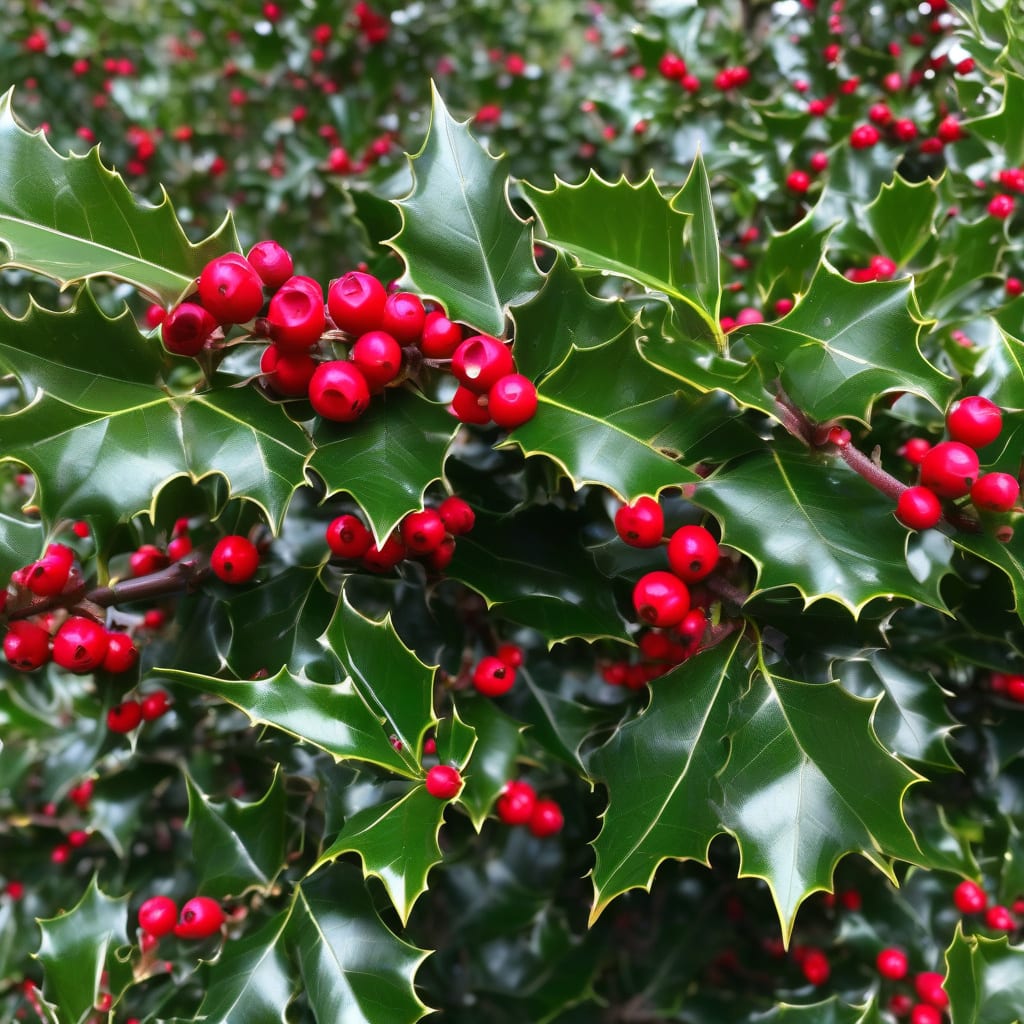
When planting a Holly Tree 🌳, understanding its growth potential is crucial. These versatile evergreens can add beauty to your landscape for years to come.
The height of Holly Trees varies significantly based on factors like species and growing conditions. Let’s explore what you can expect from these stunning plants in your garden.


Understanding the factors that influence holly tree height is crucial for gardeners and landscapers. Several key elements determine how tall these trees will grow.
The species of holly tree plays a significant role in determining its height. Different species have varying growth potentials, ranging from compact dwarf varieties to towering trees that can reach 50 feet or more 🌳.
The soil quality is another critical factor. Holly trees thrive in well-draining, acidic soils with a pH between 5.0 and 6.5. Poor soil conditions can significantly limit their growth potential.
Climate conditions also impact holly tree height. These trees prefer moderate temperatures and adequate moisture. Extreme weather conditions can stress the trees and affect their growth.
Sunlight exposure affects not only the growth rate but also the density of the foliage. Holly trees can grow in full sun to partial shade, but the growth rate may vary accordingly.
Watering practices are vital, especially during the tree’s establishment phase. Consistent moisture, particularly during dry spells, supports healthy growth.
Pruning techniques can be used to control the height and shape of holly trees. Regular pruning helps maintain the desired size and promotes a denser, healthier tree.
Different species of holly trees have unique growth characteristics. For example, the American Holly can grow much taller than the Dwarf Holly variety 🌲.
Understanding these factors helps gardeners make informed decisions when planting and caring for holly trees. By optimizing growing conditions, you can help your holly tree reach its full potential height.
Regular monitoring of your holly tree’s growth and adjusting care practices accordingly can ensure it remains healthy and thrives in your landscape.
By considering these factors, you can better predict and manage the height of your holly trees, ensuring they fit well within your garden or landscape design.
Holly trees come in a variety of species, each with its own growth characteristics. Understanding the average height range for different holly tree varieties is essential for gardeners and landscapers to make informed decisions.
The height of holly trees can vary significantly based on the species and growing conditions. Some varieties are naturally more compact, while others can grow quite tall 🌳.
The American Holly is known for its ability to grow quite tall, reaching heights of 15-30 feet. This makes it a great choice for landscapes where a taller tree is desired 🌲.
In contrast, the Japanese Holly and Dwarf Holly are more compact varieties, growing to heights of 3-10 feet and 2-4 feet, respectively. These are ideal for smaller gardens or hedges 🌿.
English Holly falls somewhere in between, typically growing to 10-20 feet. It’s a popular choice for its glossy leaves and bright berries 🎄.
When selecting a holly tree variety, it’s essential to consider the mature height and growth rate to ensure it fits well within your landscape design.
Understanding these height ranges helps gardeners plan their landscapes more effectively, ensuring that their holly trees have enough space to grow and thrive.
By choosing the right holly tree variety for your garden, you can enjoy the beauty and benefits of these versatile evergreens for years to come 🌸.
Regular maintenance, including pruning, can help control the height and shape of your holly tree, keeping it healthy and looking its best.
Whether you’re looking for a tall, stately tree or a compact hedge, there’s a holly tree variety to suit your needs 🌟.
Managing the height of holly trees through pruning is essential for maintaining their desired shape and size. Proper pruning techniques can help control the tree’s height while promoting healthy growth 🌳.
The best time to prune holly trees is during their dormant season, typically in late winter or early spring. This timing helps minimize stress on the tree and encourages new growth in the following season.
Start by removing any dead, diseased, or damaged branches to maintain the tree’s health and appearance.
Thin out the interior branches to allow more light to penetrate and promote air circulation, which helps prevent disease.
Shape the tree by cutting back branches to maintain the desired height and shape. Make clean cuts just above a bud or lateral branch.
Regular pruning not only helps control the height of holly trees but also encourages denser foliage and more vibrant berries. It’s a simple yet effective way to keep your holly trees looking their best 🌲.
When pruning, always use sharp, clean tools to prevent spreading diseases. Make cuts at a 45-degree angle just above a growth node to promote healthy regrowth.
By following these pruning tips, you can effectively manage the height of your holly trees and enjoy their beauty for years to come 🌸.
