
Beautiful Plants For Your Interior
Beautiful Plants For Your Interior
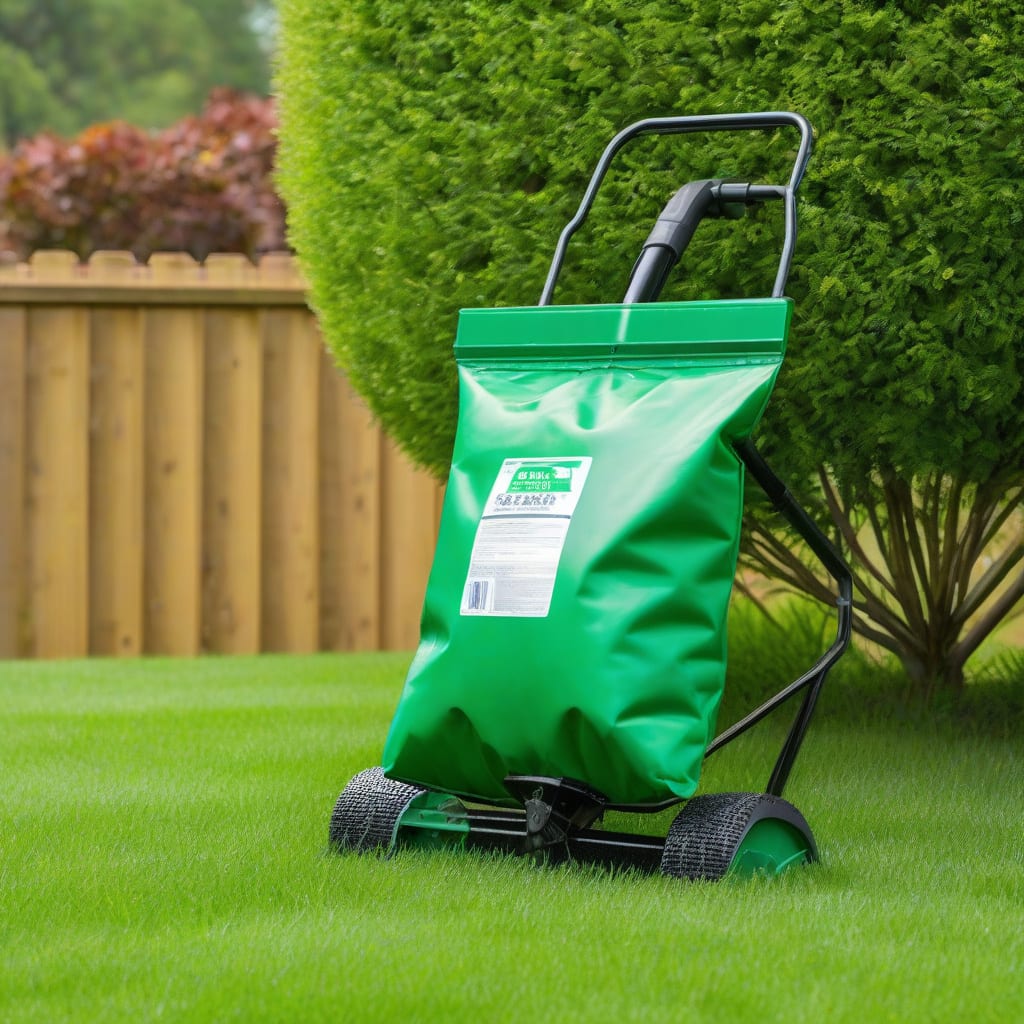
Fertilizing your Grass 🌿 in fall is crucial for maintaining healthy growth throughout the year. As the growing season ends, your lawn needs a boost to prepare for winter.
Applying fertilizer 6-8 weeks before the first frost helps strengthen roots and promotes healthy spring growth. I’ll guide you through the best practices for fertilizing your lawn in fall, ensuring a lush, vibrant lawn next year.

Fertilizing your lawn in fall is a critical step in maintaining healthy grass throughout the year. The fall season provides an ideal opportunity to strengthen your lawn’s roots and prepare it for the challenges of winter. I’ll guide you through the best practices for fertilizing your lawn during this time 🌿.
The optimal timing for fall fertilization depends on several factors, including your climate, grass type, and regional considerations. Generally, it’s recommended to fertilize your lawn 6-8 weeks before the first frost. This allows the grass to absorb the necessary nutrients and prepare for the cold months ahead.
Understanding your grass type is crucial in determining the best time to fertilize. Cool season grasses, such as Kentucky bluegrass and perennial ryegrass, thrive in cooler temperatures and should be fertilized in early to mid-fall. Warm season grasses, like Bermudagrass and zoysiagrass, require fertilization in late summer to early fall 🌟.
If you live in the transition zone, where both cool and warm season grasses coexist, you’ll need to adjust your fertilization schedule accordingly. In this region, mid-fall is typically the best time to fertilize your lawn.
strong>Soil temperature also plays a significant role in determining the best time to fertilize. For cool season grasses,gev, the soil temperature should be around 55°F (13°C) for optimal fertilization 🌱.
By considering these factors and adjusting your fertilization schedule accordingly, you can ensure that your lawn receives the necessary nutrients to thrive during the fall season.
Fertilizing your lawn in the fall provides numerous benefits for your grass, including strengthening its roots, promoting healthy growth, and preparing it for the challenges of winter. By choosing the right fertilizer and applying it at the optimal time, you can enjoy a lush, vibrant lawn for years to come 🌿.
Now that you know the best time to fertilize your grass in fall, you can take the necessary steps to ensure a healthy and thriving lawn.
By following these tips and considering your local climate and grass type, you can make informed decisions about fertilizing your lawn in the fall. This will help you achieve a healthy, dense, and vibrant lawn that will thrive throughout the year 🌟.
Choosing the right fertilizer for your lawn in fall is crucial for maintaining healthy grass throughout the year. The type of fertilizer you select depends on several factors, including your grass type, climate, and regional considerations. I’ll guide you through the best practices for selecting the appropriate fertilizer for your lawn during the fall season 🌿.
The N-P-K ratio is a critical factor to consider when choosing a fertilizer. The numbers on the label represent the nitrogen (N), phosphorus (P), and potassium (K) content. For fall fertilization, a balanced fertilizer with a ratio of 10-10-10 or 15-5-10 is often recommended 🌱.
When selecting a fertilizer, consider the specific needs of your lawn. If you have a new lawn or are trying to repair damaged areas, a high phosphorus fertilizer may be beneficial. For established lawns, a balanced fertilizer is usually sufficient 🌟.
Slow release fertilizers are another option to consider. These products release nutrients over an extended period, providing a steady supply of nutrients to your lawn. This can be particularly beneficial in the fall, as it helps promote healthy growth and prepares your lawn for the challenges of winter 🌿.
By choosing the right fertilizer and applying it at the optimal time, you can ensure that your lawn receives the necessary nutrients to thrive during the fall season. This will help you achieve a healthy, dense, and vibrant lawn that will thrive throughout the year 🌟.
Now that you know how to choose the right fertilizer for your lawn in fall, you can take the necessary steps to ensure a healthy and thriving lawn. By following these tips and considering your local climate and grass type, you can make informed decisions about fertilizing your lawn in the fall 🌱.
Fertilizing your lawn in the fall is a critical step in maintaining healthy grass throughout the year. By choosing the right fertilizer and applying it at the optimal time, you can promote healthy growth and prepare your lawn for the challenges of winter 🌿.
To maximize the effectiveness of your fall fertilization, consider implementing these complementary lawn care practices. These tips will help you achieve a healthy, dense, and vibrant lawn that will thrive throughout the year 🌿.
Adjust your mower to the recommended height for your grass type. This helps promote healthy growth and prevents weed invasion 🌱.
Deep watering encourages deep root growth, making your lawn more resistant to drought and other stresses 💧.
Aerating helps improve soil drainage, reduces soil compaction, and promotes healthy root growth 🌟.
Overseeding helps fill in bare spots and thicken your lawn, making it more resilient to disease and pests 🌿.
By incorporating these additional fall lawn care tips into your routine, you can enhance the effectiveness of your fertilization and promote a healthy, lush lawn.
Fertilizing your lawn in the fall, combined with these complementary practices, will help you achieve a vibrant, thriving lawn that will withstand the challenges of winter and bounce back quickly in the spring 🌱.
The best time to fertilize your lawn in fall is 6-8 weeks before the first frost. This allows the grass to absorb necessary nutrients and prepare for winter. For most regions, this falls between late August and early October .
Select a fertilizer based on your grass type and climate. For fall fertilization, a balanced fertilizer with an N-P-K ratio of 10-10-10 is often recommended. Consider a slow-release option for extended nutrient supply .
It’s generally not recommended to fertilize a stressed or diseased lawn. Fertilizing can further stress the grass. Instead, address the underlying issue first, whether it’s through proper watering, mowing, or treating diseases. Once your lawn is healthy, you can fertilize .
For most lawns, one fall fertilization is sufficient. However, if you have poor soil or want to maintain a lush lawn, you might consider additional applications in spring or summer. Always follow the recommended fertilization schedule for your specific grass type .
