
Beautiful Plants For Your Interior
Beautiful Plants For Your Interior
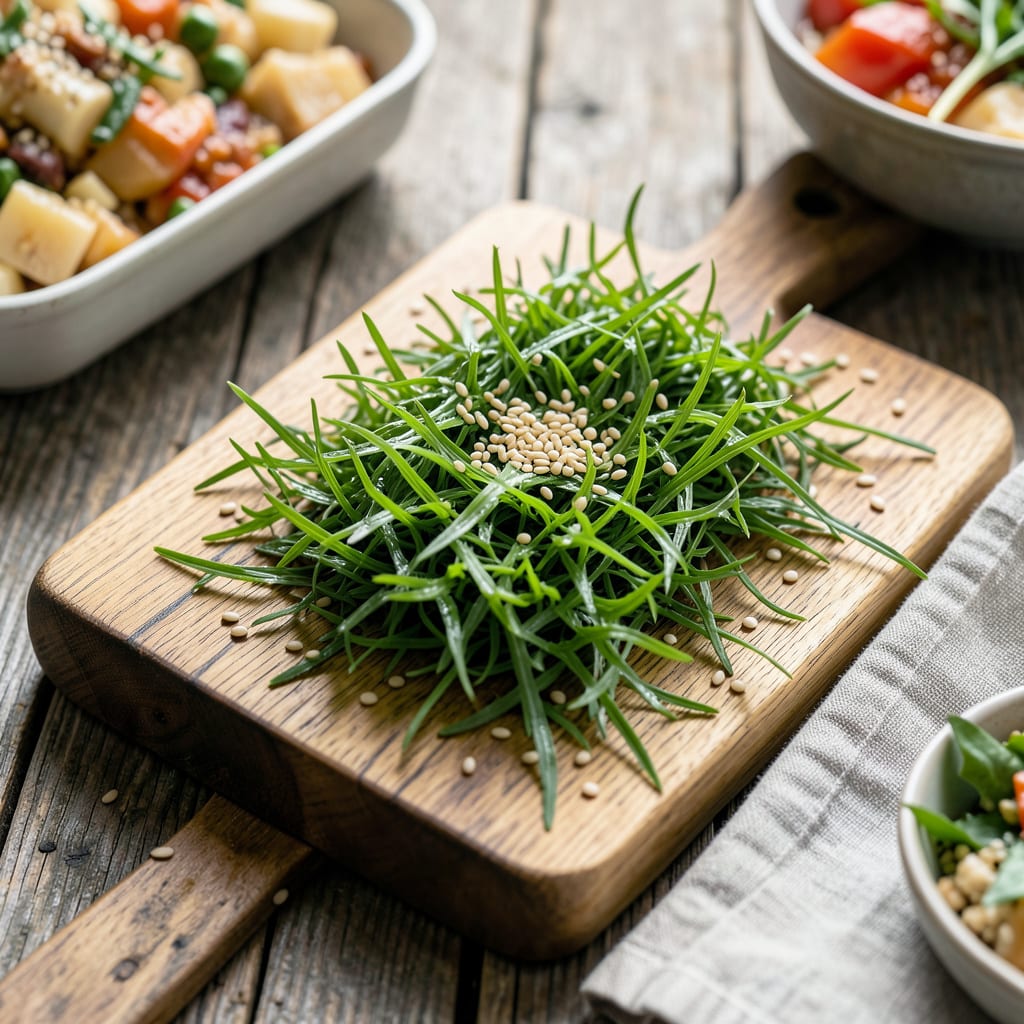
Maintaining a lush 🌿 Lawn in Northern California requires understanding the region’s unique climate and soil conditions. The timing of fertilization is crucial, as it directly impacts the health and appearance of your grass throughout the year.
In Northern California‘s 9b USDA Zone, the ideal fertilization periods are closely tied to the growing season. I’ll guide you through the best times to fertilize your Lawn, ensuring you achieve that perfect green without over-fertilizing.

In Northern California, the ideal times to fertilize your lawn depend on the type of grass you have and the region’s climate patterns. Understanding these factors is crucial for maintaining a healthy and vibrant lawn 🌿.
The region’s Mediterranean climate means lawns have different fertilization needs throughout the year. Generally, the best times to fertilize are during the growing seasons when your grass can best utilize the nutrients.
The fertilizer type you choose is also important. A balanced, slow-release fertilizer with an NPK ratio of around 10-10-10 is generally recommended for lawns in Northern California. This type of fertilizer provides a steady supply of nutrients without causing excessive growth that can be harmful to the lawn.
For cool-season grasses, which thrive in cooler temperatures, fertilization in fall is particularly beneficial as it helps strengthen the grass going into winter. For warm-season grasses, which grow more actively in summer, fertilization during the late spring and summer months can support their growth.
It’s also essential to consider the soil condition and moisture levels when planning your fertilization schedule. Lawns in Northern California may require adjustments based on whether the soil is sandy, clay-based, or loamy, as these factors affect nutrient availability and retention.
Finally, always follow the manufacturer’s instructions on the fertilizer package for application rates and timing to avoid over-fertilization, which can harm your lawn and the environment 🌟.
By understanding the best times to fertilize and choosing the right fertilizer, you can maintain a lush, green lawn that enhances your outdoor space and supports local ecosystems.
Regular lawn maintenance, including proper fertilization, mowing, and watering, will ensure your lawn remains healthy and vibrant throughout the year 🌿.
For more specific advice tailored to your lawn’s needs, consider consulting with a local gardening expert or your county’s agricultural extension office 📚.
In Northern California, lawns can be composed of various grass types, each with its own fertilization needs. Understanding whether your lawn is made up of cool-season or warm-season grasses is crucial for determining the best fertilization strategy 🌿.
Cool-season grasses, such as ryegrass and fescue, thrive in the cooler temperatures of fall and spring. These grasses typically require more frequent fertilization during their active growing periods.
For cool-season grasses, fertilization should be focused on the fall and spring when the grass is actively growing. A balanced fertilizer with an NPK ratio of around 10-10-10 is typically recommended.
Warm-season grasses, such as Bermuda grass and St. Augustine grass, grow more vigorously during the summer months. These grasses benefit from more frequent fertilization during their peak growing season, typically every 4-6 weeks.
A high-nitrogen fertilizer is often recommended for warm-season grasses to support their rapid growth during the summer.
It’s essential to follow the manufacturer’s instructions for the specific fertilizer you’re using, as application rates and timing can vary 🌟.
Additionally, consider the soil type and moisture levels in your lawn when planning your fertilization schedule. Lawns in Northern California may have different soil compositions, such as sandy, clay, or loamy soils, which affect how nutrients are absorbed and retained.
By tailoring your fertilization strategy to the specific type of grass and soil conditions in your Northern California lawn, you can promote healthy growth and maintain a vibrant, lush appearance throughout the year 🌿.
Regular monitoring of your lawn’s health and adjusting your fertilization practices accordingly will help ensure optimal results.
When fertilizing your lawn in Northern California, it’s crucial to avoid common mistakes that can harm your grass and the environment 🌿.
One of the most significant errors is over-fertilization, which can lead to excessive growth, nutrient imbalances, and even damage to your lawn ⚠️.
Applying too much fertilizer can cause burned grass, excessive thatch, and water pollution. Always follow the manufacturer’s instructions and consider your lawn’s specific needs.
Another mistake is using the wrong type of fertilizer for your lawn. Different grass types have different nutrient requirements, so it’s essential to choose a fertilizer that matches your lawn’s needs 🌻.
Cool-season grasses benefit from fertilization in fall and spring, while warm-season grasses require more frequent fertilization during summer. Understanding your grass type is key to selecting the right fertilizer.
Additionally, consider the soil condition and moisture levels when planning your fertilization schedule. Lawns in Northern California may have different soil compositions, such as sandy, clay, or loamy soils, which affect how nutrients are absorbed and retained 💧.
By avoiding these common fertilization mistakes and tailoring your approach to your lawn’s specific needs, you can maintain a healthy, vibrant lawn that enhances your outdoor space 🌟.
Regular monitoring of your lawn’s health and adjusting your fertilization practices accordingly will help ensure optimal results 📚.
The best times to fertilize your lawn in Northern California are during the spring (March to May) and fall (September to November) when your grass is actively growing. For cool-season grasses, focus on fall fertilization to strengthen the grass going into winter. For warm-season grasses, fertilize during late spring and summer months.
Fertilization frequency depends on your grass type. For cool-season grasses, fertilize every 6-8 weeks during fall and spring. For warm-season grasses, fertilize every 4-6 weeks during summer. Always follow the manufacturer’s instructions for specific application rates and timing.
A balanced, slow-release fertilizer with an NPK ratio of around 10-10-10 is generally recommended for lawns in Northern California. For warm-season grasses, a high-nitrogen fertilizer can support rapid summer growth. Consider your soil type and moisture levels when choosing a fertilizer.
Fertilization is typically not necessary during the winter (December to February) dormant season in Northern California. Most lawns are dormant during this time, and fertilization won’t provide significant benefits.
