
Beautiful Plants For Your Interior
Beautiful Plants For Your Interior
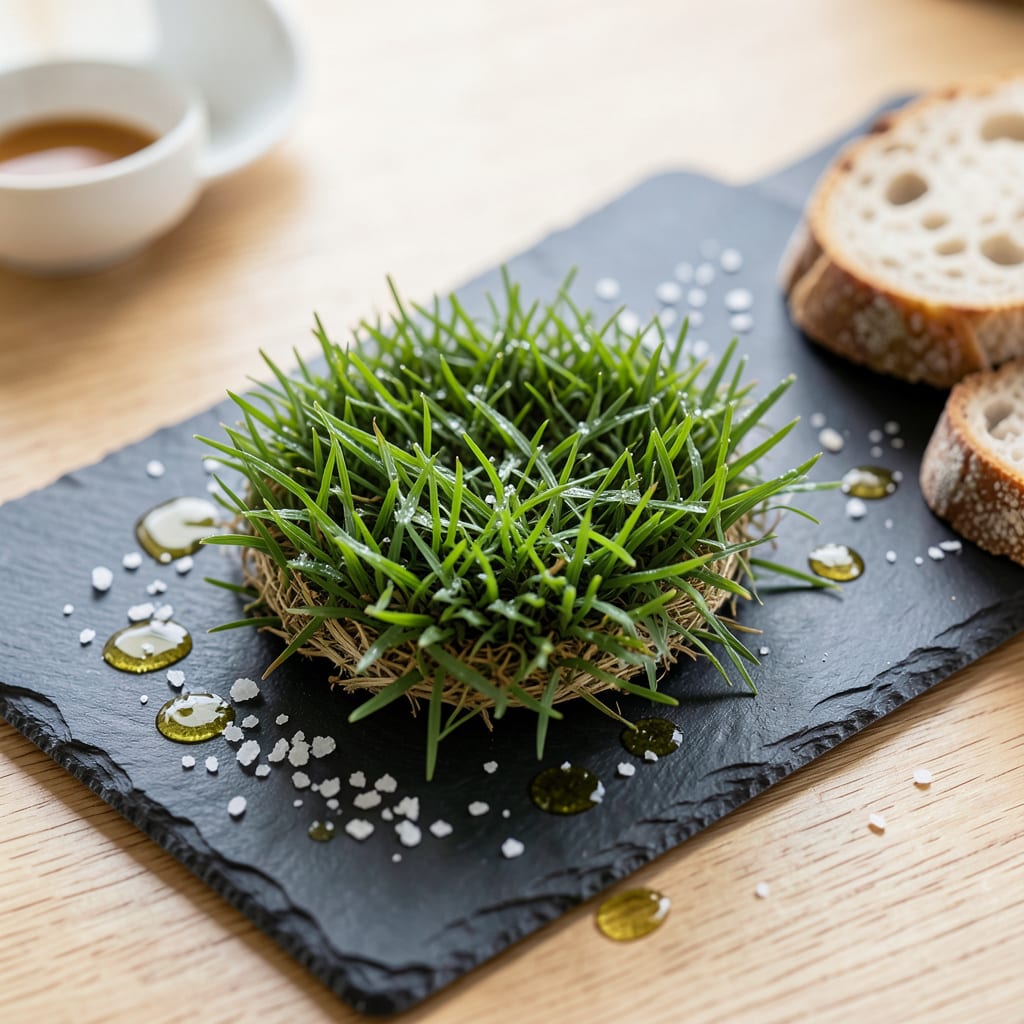
Maintaining a lush, green 🌿 Lawn in San Antonio requires understanding the local climate and soil conditions. With San Antonio’s hot summers and mild winters, timing is everything when it comes to fertilization.
I’ll guide you through the best times to fertilize your Lawn, from the ideal March kickoff to the final October boost, ensuring your lawn stays healthy year-round.

In San Antonio’s climate, lawn fertilization is crucial during the growing season. The ideal months for fertilizing are March, April, September, and October. These periods coincide with the active growth phases of most grass types in the region 🌿.
Fertilizing during these months helps promote healthy growth and prepares your lawn for the stresses of summer heat and winter dormancy. I’ll break down the fertilization schedule and provide practical tips for optimal results.
The March application is critical as it helps jumpstart the growing season. For St. Augustinegrass, which is common in San Antonio, a balanced fertilizer (10-10-10 NPK) is typically recommended. Apply at a rate of 1 lb/1000 sqft during the early morning when dew is still present but not excessive 🔥.
During the peak summer months (May – August), maintain your fertilization schedule every 4-6 weeks. This consistent feeding supports the lawn’s nutrient needs during active growth. Be sure to water thoroughly after application to help the fertilizer penetrate the soil.
In September and October, continue fertilizing to help your lawn recover from summer stress and prepare for the cooler months ahead. These fall applications are crucial for maintaining a healthy root system during the dormant season.
For lawns with specific nutrient deficiencies, consider getting a soil test to determine the best fertilizer formulation. San Antonio’s soils often require additional potassium to help with drought tolerance and overall plant health.
Always follow the manufacturer’s instructions for application rates and timing to avoid over-fertilizing, which can harm your lawn and the environment. Proper mowing and watering practices should accompany your fertilization schedule for optimal results 🌿.
By following this seasonal fertilization plan, you’ll be able to maintain a lush, green lawn throughout the year, even in San Antonio’s challenging climate.
Consistent lawn care practices, including proper fertilization, will help you achieve a healthy, vibrant lawn that enhances your property’s beauty and value.
Maintaining a healthy lawn in San Antonio requires more than just knowing when to fertilize. I’ll share practical tips on fertilizer types, application rates, and lawn preparation to help you achieve optimal results 🌿.
For St. Augustinegrass, which is prevalent in San Antonio, a balanced fertilizer (10-10-10 NPK) is typically recommended. This type of fertilizer provides equal parts nitrogen, phosphorus, and potassium, supporting overall lawn health.
Apply fertilizer during the early morning when dew is still present but not excessive. This timing helps reduce evaporation and allows the fertilizer to penetrate the soil more effectively 🔥.
When applying fertilizer, maintain a rate of 1 lb/1000 sqft to avoid over-fertilizing. Over-fertilization can lead to excessive growth, increased water needs, and potential environmental harm.
Lawn preparation is also crucial before fertilizing. Mow your lawn to the recommended height for your grass type, and remove any debris or thatch that could interfere with fertilizer absorption.
After applying fertilizer, water thoroughly to help it penetrate the soil. However, avoid overwatering, which can lead to nutrient runoff and decreased effectiveness.
Consider getting a soil test to determine your lawn’s specific nutrient needs. San Antonio’s soils often benefit from additional potassium to enhance drought tolerance and overall plant health.
By following these fertilization tips and maintaining a consistent lawn care routine, you’ll be well on your way to achieving a lush, green lawn that thrives in San Antonio’s climate 🌿.
For more information on lawn care in San Antonio, including tips on mowing, watering, and pest control, be sure to check out our other resources on lawn maintenance.
When fertilizing your lawn in San Antonio, it’s essential to avoid common mistakes that can harm your grass and the environment. I’ll outline some key pitfalls to watch out for and provide tips on how to fertilize effectively 🌿.
One of the most common mistakes is over-fertilizing. This can lead to excessive growth, increased water needs, and potential environmental harm. Always follow the manufacturer’s instructions for application rates and timing.
Over-fertilization can cause more harm than good. It can lead to nutrient imbalances in the soil, potentially damaging your lawn and contaminating local waterways. To avoid this, always measure your fertilizer carefully and apply it evenly 🔥.
Another mistake is fertilizing at the wrong time. In San Antonio’s climate, it’s crucial to avoid fertilizing during the hottest part of the day or when the lawn is under stress from drought. Instead, fertilize during the cooler months when your lawn can best absorb the nutrients.
Soil testing is also often overlooked. By understanding your soil’s nutrient needs, you can choose the right fertilizer formulation and avoid applying unnecessary nutrients. San Antonio’s soils often benefit from additional potassium for drought tolerance.
By being aware of these common fertilization mistakes and taking steps to avoid them, you can maintain a healthy, vibrant lawn that enhances your property’s beauty and value 🌿.
For more information on lawn care in San Antonio, be sure to check out our other resources on lawn maintenance and fertilization best practices.
The best time to fertilize is during the early morning when dew is still present but not excessive. This timing helps reduce evaporation and allows the fertilizer to penetrate the soil more effectively .
For most lawns in San Antonio, fertilizing every 4-6 weeks during the growing season (March – October) is recommended. This frequency supports healthy growth without over-fertilizing.
A balanced fertilizer (10-10-10 NPK) is typically recommended for St. Augustinegrass. This type provides equal parts nitrogen, phosphorus, and potassium, supporting overall lawn health .
No, it’s generally recommended to avoid fertilizing during San Antonio’s winter months (November – February) when lawn growth is dormant. Fertilizing during this time can lead to unnecessary waste and potential environmental harm.
