
Beautiful Plants For Your Interior
Beautiful Plants For Your Interior
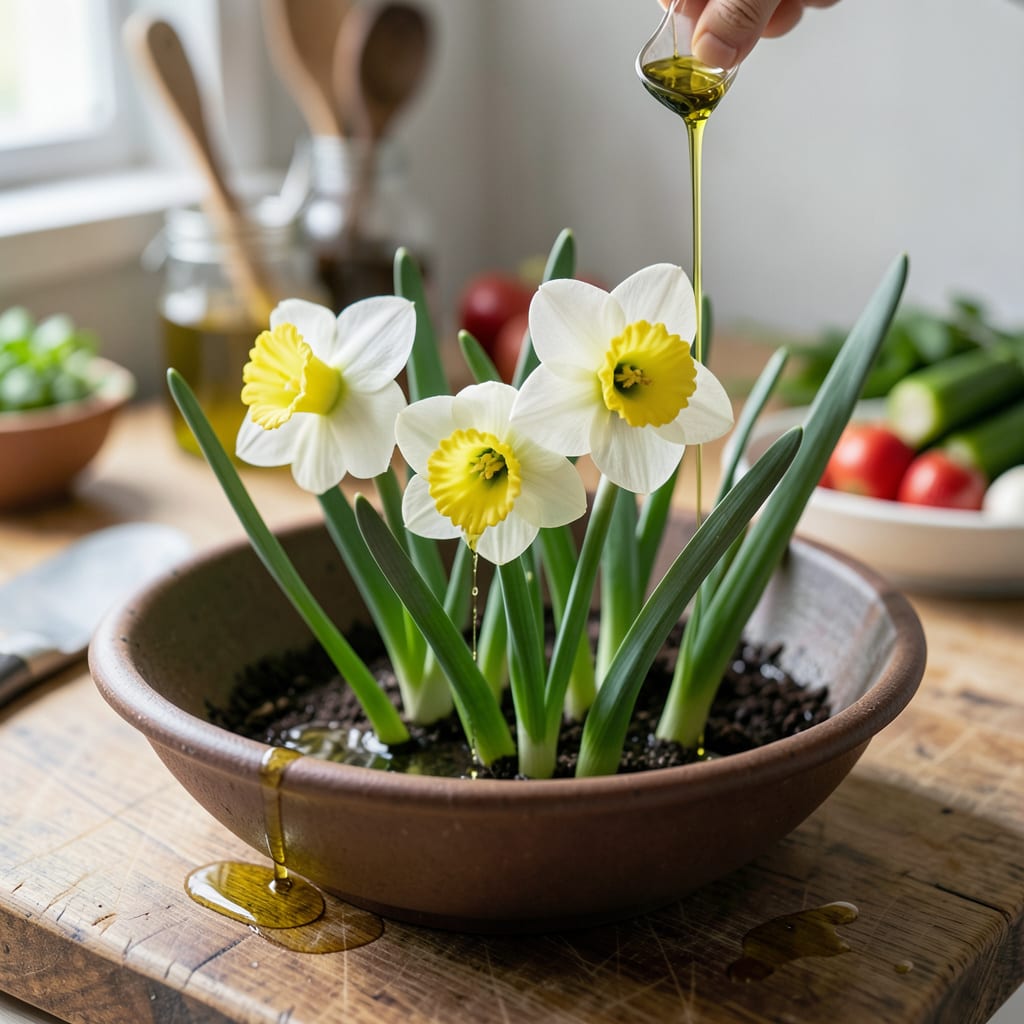
As I watch my daffodils 💛 bloom each spring in USDA Zone 6, I’m reminded that proper fertilization is key to their vibrant display. The right timing can make all the difference in their health and flowering.
Fertilizing daffodils at the right time – after they finish blooming – helps them store energy for next year’s blooms. I’ll share the best practices for fertilizing these beautiful flowers to ensure they continue to thrive.

Fertilizing daffodils at the right time is crucial for their health and blooming success. The optimal time to fertilize these beautiful flowers is after they finish blooming, typically in late spring. This timing allows the plants to store energy for next year’s blooms.
Daffodils have a unique growth cycle that affects when they should be fertilized. They bloom in early spring, and after the blooming period, the foliage continues to grow, storing energy for the next year’s flowers. Fertilizing after blooming supports this energy storage process.
The type of fertilizer used for daffodils is also important. A balanced fertilizer with a ratio like 5-10-10 (nitrogen-phosphorus-potassium) is recommended. This type of fertilizer provides the necessary nutrients for healthy foliage and flower production.
When applying fertilizer, it’s essential to follow the recommended application rates. For daffodils, a general guideline is to use 1 tablespoon of fertilizer per plant. The fertilizer should be scattered around the base of the plants and then watered in to help it reach the roots.
After fertilizing, it’s crucial to allow the foliage to die back naturally. This process can take several weeks to a few months, depending on the weather conditions. Cutting back the foliage too early can weaken the bulb and reduce flowering in subsequent years.
Post-bloom care is vital for daffodils. After the flowers have faded, deadheading (removing the spent flowers) can improve the appearance of the plants and direct the bulb’s energy towards re-growing and storing energy for the next year’s bloom.
Fertilizing daffodils is not just about the timing; it’s also about soil conditions. If your soil is particularly poor or sandy, you may need to adjust your fertilization schedule accordingly. However, for most gardeners, a single application after blooming will suffice.
It’s also worth noting that over-fertilization can be harmful to daffodils. Too much fertilizer can cause the foliage to grow too vigorously, making the plants more susceptible to disease and pests. Therefore, it’s better to err on the side of caution and follow the recommended fertilization rates.
In summary, the best time to fertilize daffodils is after they finish blooming in late spring. Using a balanced fertilizer and following the recommended application rates will support healthy growth and vibrant blooms in the years to come.
By understanding and implementing these fertilization tips, you can enjoy a beautiful display of daffodils year after year. Their bright, cheery blooms are a welcome sign of spring, and with proper care, they’ll continue to thrive in your garden.
Fertilizing daffodils after they finish blooming is a crucial step in their care. This process helps the bulbs store energy for next year’s blooms. I always
The first step is to choose the right type of fertilizer. A balanced fertilizer with an NPK ratio of 5-10-10 is ideal for daffodils. This type of fertilizer provides the necessary nutrients for healthy foliage and flower production.
Use 1 tablespoon of balanced fertilizer per plant. Scatter it around the base of the plants, avoiding direct contact with the foliage.
After applying the fertilizer, water the area thoroughly. This helps the fertilizer reach the roots and start working.
After fertilizing, allow the foliage to die back naturally. This process can take several weeks to a few months, depending on weather conditions.
It’s essential to avoid over-fertilizing daffodils, as this can cause more harm than good. Too much fertilizer can lead to excessive foliage growth, making the plants more susceptible to disease and pests.
By following these simple steps and using the right type of fertilizer, you can help your daffodils thrive and enjoy a beautiful display of blooms year after year.
Remember, the key to successful daffodil fertilization is timing and moderation. Fertilize after blooming, and you’ll be rewarded with healthy, vibrant plants.
As you care for your daffodils, keep in mind that proper fertilization is just one aspect of their overall care. Combine it with adequate watering and appropriate sunlight, and you’ll have a thriving garden.
Fertilizing daffodils is a simple process that can make a significant difference in their health and blooming success. By following the steps outlined above, you can enjoy a beautiful display of daffodils for years to come 🌺.
When fertilizing daffodils, it’s essential to consider the specific growing conditions to ensure optimal results. Different environments may require adjustments to the fertilization schedule or method.
For container-grown daffodils, the fertilization approach may need to be adjusted. Containers can dry out faster than in-ground soil, potentially affecting nutrient availability. I recommend monitoring soil moisture closely and adjusting the fertilization schedule accordingly.
Too much fertilizer can cause excessive foliage growth, making daffodils more susceptible to disease and pests. Always follow the recommended application rates to avoid over-fertilization.
In poor soil conditions, daffodils may benefit from additional fertilization. If your soil is particularly sandy or lacking in nutrients, consider adjusting your fertilization schedule to provide extra support.
Avoid over-fertilizing daffodils, as this can lead to more harm than good. Too much fertilizer can cause the foliage to grow too vigorously, making the plants more susceptible to disease and pests. Always follow the recommended fertilization rates to avoid this issue.
By considering these factors and adjusting your fertilization approach as needed, you can help your daffodils thrive in various growing conditions. Proper care and attention will reward you with healthy, vibrant blooms year after year 🌼.
For optimal results, combine proper fertilization with adequate watering and appropriate sunlight. This comprehensive approach will ensure your daffodils receive the care they need to flourish.
Fertilize daffodils after they finish blooming, typically in late spring. This timing helps the bulbs store energy for next year’s flowers. Use a balanced fertilizer like 5-10-10 NPK for best results.
Daffodils typically need fertilizing once a year after blooming. You can also give them a light feeding in the fall before the ground freezes. This helps prepare them for the next growing season.
A balanced fertilizer with an NPK ratio of 5-10-10 is ideal for daffodils. This type provides necessary nutrients for healthy foliage and flower production. Avoid high-nitrogen fertilizers as they can promote excessive foliage growth.
Yes, container-grown daffodils can be fertilized similarly to those in the ground. Use a balanced fertilizer and follow the same timing guidelines. Be sure to monitor soil moisture closely as containers dry out faster.
