
Beautiful Plants For Your Interior
Beautiful Plants For Your Interior
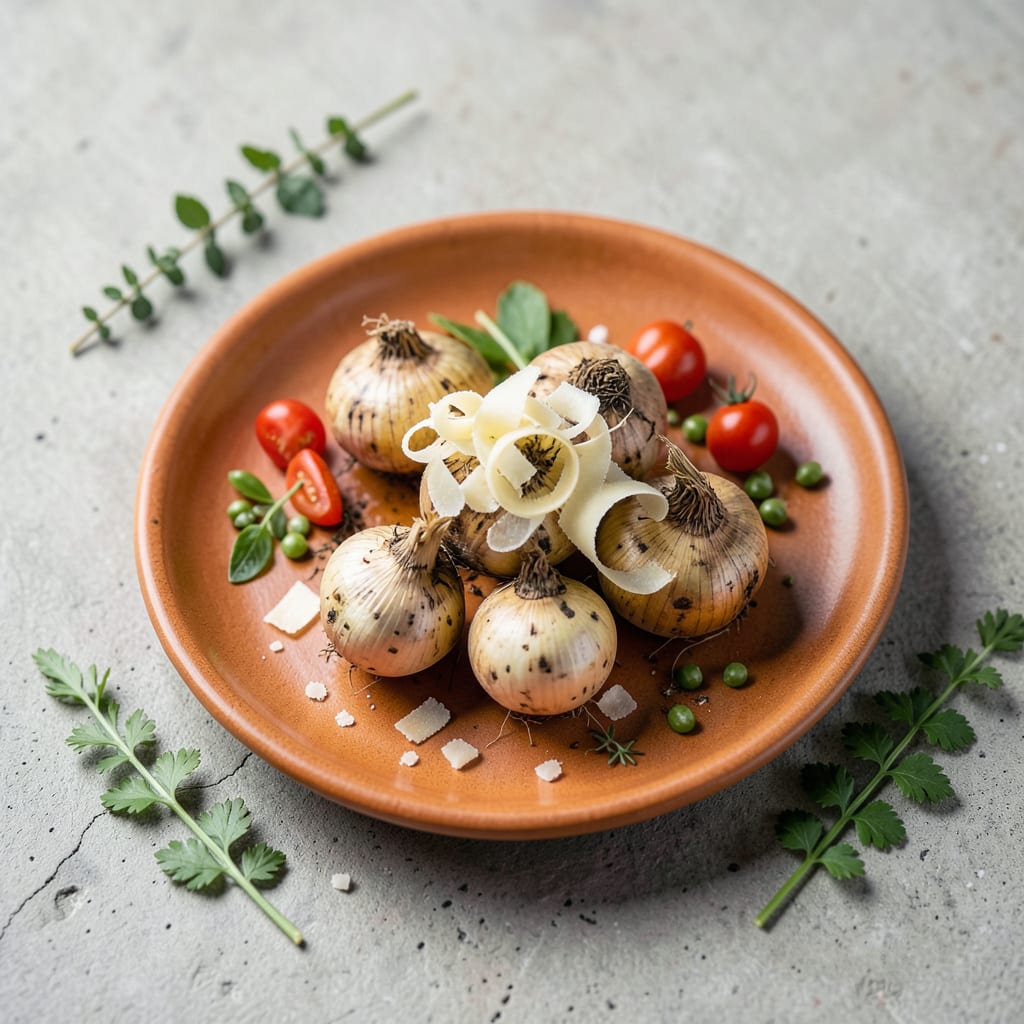
Fertilizing your 💐 bulbs at the right time can make all the difference between lackluster blooms and a vibrant garden display in USDA Zone 6. The key is understanding when to provide that extra nutritional boost during their growing cycle.
I’ve learned that timing is everything when it comes to bulb fertilization, particularly in the fall when they’re preparing for spring blooms. Let’s explore the best practices for fertilizing your bulbs to ensure a stunning display.

Fertilizing bulbs is a critical step in their growth cycle, and timing is everything. The key is to understand when to provide that extra nutritional boost to ensure a vibrant display of blooms. I’ve found that there are three main periods when fertilizing bulbs is particularly beneficial: after they’ve finished blooming, during their active growth phase, and just before they start growing again.
The first critical time to fertilize bulbs is immediately after they’ve finished blooming. This is when the bulb is starting to replenish its energy stores for next year’s bloom. Using a balanced fertilizer at this stage helps promote healthy foliage and supports the bulb’s natural processes. For most spring-blooming bulbs, this means fertilizing in late spring.
The second important time is in the fall, just before new growth begins. This is particularly crucial for spring-blooming bulbs like tulips and daffodils. A low-nitrogen, high-potassium fertilizer is ideal at this stage as it promotes root development and overall plant health. For bulbs like tulips, this means applying fertilizer in September or October, about 6-8 weeks before the ground freezes.
During the active growth phase, bulbs benefit from regular feeding with a balanced fertilizer. This supports healthy foliage and flower development, ensuring that the bulb can photosynthesize effectively and store energy for the next year’s bloom. The frequency of fertilization can vary depending on the soil quality and the specific needs of the bulb variety.
For gardeners in USDA Zone 6, where the first frost typically occurs in mid-October, it’s essential to time fertilization accordingly. Fertilizing too late in the season can encourage new growth that may not have time to harden off before winter, potentially damaging the bulb.
Understanding these critical fertilization periods allows gardeners to provide their bulbs with the necessary nutrients at the right times, promoting healthier plants and more vibrant blooms. By following these guidelines, gardeners can enjoy a stunning display of flowers year after year.
It’s also worth noting that different types of bulbs may have slightly different fertilization needs. For example, tender bulbs like dahlias and gladiolus may require more frequent fertilization during their growing season, while hardy bulbs like tulips and daffodils may need less.
By paying attention to the specific needs of your bulbs and adjusting your fertilization schedule accordingly, you can optimize their growth and enjoy a beautiful display of blooms. Whether you’re growing bulbs in containers or in the ground, proper fertilization is key to their success.
Fertilizing bulbs is not just about providing nutrients; it’s also about timing. By fertilizing at the right times, you can promote healthy growth, encourage blooming, and ensure that your bulbs continue to thrive year after year. With a little planning and attention to detail, you can enjoy a vibrant and healthy bulb display that will be the envy of your garden.
In conclusion, fertilizing bulbs requires a thoughtful approach that takes into account their growth cycle and specific needs. By understanding when to fertilize and how to do it effectively, gardeners can promote healthy growth and enjoy a stunning display of blooms. 💐
Proper fertilization is crucial for bulb health and can significantly impact their blooming potential. I’ve found that understanding the right application methods and fertilizer types makes all the difference in achieving a vibrant garden display 🌼.
The first step in fertilizing bulbs is choosing the right type of fertilizer. A balanced fertilizer with an NPK ratio of around 5-10-10 is generally recommended for most bulb varieties. This balance provides the necessary nutrients for healthy foliage, root development, and flower production.
For best results, use a slow-release fertilizer that provides nutrients to the bulbs over an extended period, promoting consistent growth and development.
When applying fertilizer, it’s essential to follow the recommended application rates to avoid over-fertilizing, which can damage the bulbs. Typically, a rate of 1 tablespoon per plant is sufficient, but this can vary depending on the specific fertilizer and bulb variety.
The method of application is also important. For bulbs planted in the ground, sprinkling the fertilizer around the base of the plants and gently working it into the soil is effective. For container-grown bulbs, mixing the fertilizer into the potting soil before planting or applying it to the surface after planting works well.
Soil quality plays a significant role in how effectively bulbs can uptake nutrients from fertilizers. Ensuring the soil is well-draining and rich in organic matter can enhance the effectiveness of fertilization. Adding compost or other organic amendments can improve soil fertility and structure, benefiting the bulbs.
It’s also worth noting that different types of bulbs may have specific fertilization needs. For example, some bulbs may benefit from additional phosphorus for root development, while others may require more potassium for overall health and disease resistance.
By following these guidelines and paying attention to the specific needs of your bulbs, you can optimize their growth and enjoy a stunning display of blooms. Proper fertilization, combined with good planting practices and appropriate care, will help ensure your bulbs thrive year after year 🌸.
In summary, fertilizing bulbs properly involves choosing the right fertilizer, applying it at the correct rate, and considering the soil quality. By taking these factors into account, gardeners can promote healthy growth and maximize the blooming potential of their bulbs.
Fertilizing bulbs can be a delicate process, and making mistakes can have negative consequences on their growth and blooming potential. I’ve seen gardeners make several common errors that can be easily avoided with the right knowledge 🌼.
One of the most common mistakes is fertilizing at the wrong time. Fertilizing too early or too late in the growing season can be detrimental to bulb health. For spring-blooming bulbs, fertilizing in the fall before new growth begins is crucial, while fertilizing immediately after blooming helps replenish energy stores.
Another mistake is using the wrong type of fertilizer. Bulbs have different nutrient requirements at various stages of their growth cycle. Using a high-nitrogen fertilizer can promote excessive foliage growth at the expense of flower production. A balanced fertilizer with an NPK ratio of around 5-10-10 is generally recommended for most bulb varieties.
Over-fertilizing is also a common error that can damage bulbs. Too much fertilizer can cause fertilizer burn, leading to weakened bulbs that are more susceptible to disease and pests. It’s essential to follow the recommended application rates and avoid over-fertilizing, especially in containers where fertilizer can accumulate.
The method of application is also critical. Simply sprinkling fertilizer on the surface without working it into the soil can lead to uneven nutrient distribution. For bulbs planted in the ground, gently working the fertilizer into the soil around the base of the plants is more effective. For container-grown bulbs, mixing the fertilizer into the potting soil before planting or applying it to the surface after planting works well.
By being aware of these common mistakes and taking steps to avoid them, gardeners can ensure their bulbs receive the right nutrients at the right time, promoting healthy growth and maximizing their blooming potential. Proper fertilization practices, combined with good planting practices and appropriate care, will help bulbs thrive year after year 💐.
In summary, avoiding common mistakes when fertilizing bulbs involves understanding the right timing, choosing the correct fertilizer type, applying it at the appropriate rate, and using the correct method of application. By following these guidelines, gardeners can promote healthy bulb growth and enjoy a vibrant display of blooms.
Fertilize spring-blooming bulbs immediately after they finish blooming to help replenish their energy stores for next year’s bloom. For most spring-blooming bulbs, this means fertilizing in late spring.
Yes, fertilizing bulbs in the fall is beneficial, especially for spring-blooming varieties like tulips and daffodils. Apply a low-nitrogen, high-potassium fertilizer before new growth begins to promote root development and overall plant health. For bulbs like tulips, this means applying fertilizer in September or October, about 6-8 weeks before the ground freezes.
Bulbs benefit from regular feeding with a balanced fertilizer during their active growth phase. The frequency can vary depending on soil quality and the specific needs of the bulb variety. Typically, a balanced fertilizer with an NPK ratio of around 5-10-10 is recommended.
A balanced fertilizer with an NPK ratio of around 5-10-10 is generally recommended for most bulb varieties. This balance provides the necessary nutrients for healthy foliage, root development, and flower production. For some bulbs, additional phosphorus or potassium may be beneficial.
