
Beautiful Plants For Your Interior
Beautiful Plants For Your Interior
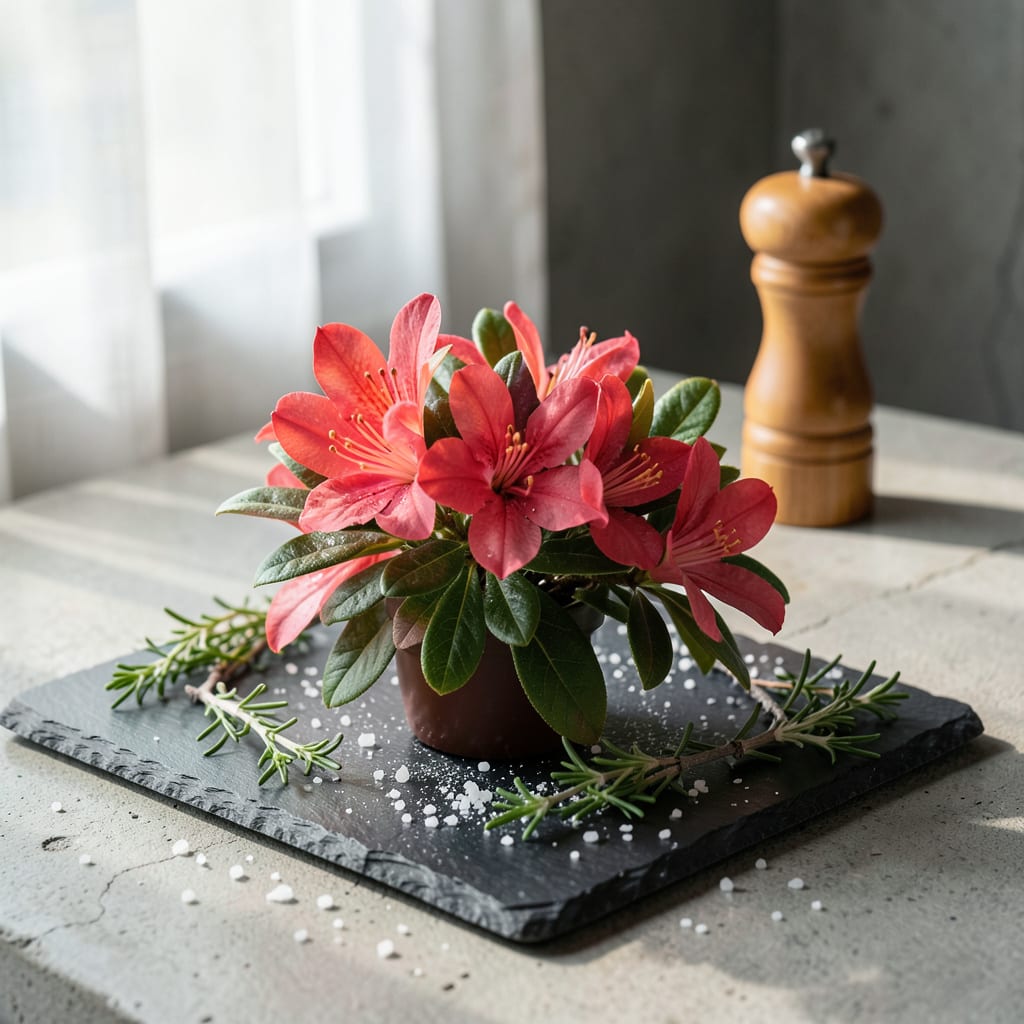
As fall approaches, your Azalea 🌺 needs a little extra care to prepare for the cold weather ahead. Fertilizing at the right time can make all the difference in its health and vibrancy come spring.
In USDA Zone 6, I’m about to share the best practices for fertilizing your Azalea in the fall, so you can enjoy better blooms and a thriving plant year after year.

Fertilizing azaleas in the fall is a critical step in preparing these beautiful shrubs for the cold weather ahead and ensuring they produce vibrant blooms in the spring. The timing of this fertilization is crucial, as it supports root development and helps the plant build winter reserves.
In USDA Zone 6, the ideal time to fertilize azaleas is in early to late fall, typically around September or November. This allows the plant to absorb the necessary nutrients before the ground freezes, promoting healthy growth and better blooms in the spring 🌺.
The type of fertilizer used is also important. Azaleas benefit from acidic fertilizers with a balanced NPK ratio, such as 10-10-10 or 12-6-6. These fertilizers help maintain the soil’s acidity, which is essential for azalea health 🌿.
When applying fertilizer, it’s essential to follow the recommended application rates and avoid over-fertilizing. Too much fertilizer can damage the roots and cause more harm than good. I recommend using a slow-release fertilizer to provide nutrients to the plant over an extended period 🔍.
By fertilizing your azaleas in the fall, you’re giving them the best chance to thrive during the winter months and produce vibrant blooms in the spring. With the right timing and type of fertilizer, you can enjoy healthy and beautiful azaleas for years to come 🌼.
For optimal results, consider the specific needs of your azaleas, including soil type and moisture levels. This will help you tailor your fertilization strategy to the unique conditions of your garden 🌱.
It’s also worth noting that fall fertilization is just one part of overall azalea care. Be sure to also provide your plants with proper watering and pruning to ensure they remain healthy throughout the year 💧.
By following these tips and fertilizing your azaleas at the right time, you’ll be rewarded with beautiful blooms and a thriving plant that will be the envy of your garden 🌺.
In summary, fertilizing azaleas in the fall is a critical step in their care. By choosing the right type of fertilizer and applying it at the optimal time, you can promote healthy growth and better blooms in the spring 🌻.
When it comes to fertilizing azaleas in the fall, choosing the right type of fertilizer is crucial for promoting healthy growth and better blooms in the spring. Azaleas benefit from acidic fertilizers that maintain the soil’s acidity, which is essential for their health 🌿.
A balanced NPK ratio is also important. Look for fertilizers with ratios like 10-10-10 or 12-6-6, which provide the necessary nutrients for root development and overall plant health. I recommend using a slow-release fertilizer to provide nutrients to the plant over an extended period 🔍.
When applying fertilizer, be sure to follow the recommended application rates to avoid over-fertilizing, which can damage the roots and cause more harm than good.
The application method is also important. For azaleas, it’s best to fertilize in the early morning when the soil is moist, allowing the nutrients to be absorbed throughout the day.
In addition to the right fertilizer type and application method, consider the specific needs of your azaleas, including soil type and moisture levels. This will help you tailor your fertilization strategy to the unique conditions of your garden 🌱.
By choosing the right type of fertilizer and following proper application tips, you can promote healthy growth and better blooms in your azaleas come spring 🌺.
For azaleas in USDA Zone 6, fertilizing in the fall is a critical step in their care. By following these tips, you can enjoy vibrant blooms and a thriving plant year after year 🌻.
Remember, fall fertilization is just one part of overall azalea care. Be sure to also provide your plants with proper watering and pruning to ensure they remain healthy throughout the year 🌿.
Fertilizing azaleas in the fall is just one part of their overall care. To ensure these beautiful shrubs thrive, you need to consider other essential practices that complement fertilization 🌿.
One crucial aspect is proper watering. Azaleas require consistent moisture, especially during the fall season. I recommend checking the soil regularly and watering when necessary to maintain the right balance 💧.
By combining fall fertilization with these additional care practices, you’ll be giving your azaleas the best chance to thrive during the winter months and produce vibrant blooms in the spring 🌺.
For azaleas in USDA Zone 6, following these tips will help ensure they remain healthy throughout the year. By providing your plants with the right care, you can enjoy beautiful blooms and a thriving plant year after year 🌻.
By following these simple yet effective tips, you can keep your azaleas healthy and thriving, even in the colder months ❄️.
In USDA Zone 6, it’s best to fertilize azaleas in early to late fall, typically around September or November. This allows the plant to absorb necessary nutrients before the ground freezes. Fertilizing at this time supports root development and helps the plant build winter reserves.
Azaleas benefit from acidic fertilizers with a balanced NPK ratio, such as 10-10-10 or 12-6-6. These fertilizers help maintain the soil’s acidity, which is essential for azalea health. Using a slow-release fertilizer can provide nutrients to the plant over an extended period.
For azaleas, it’s generally recommended to fertilize every 6-8 weeks during the growing season. In the fall, you can fertilize once in September and again in November if necessary. Be sure to follow the recommended application rates to avoid over-fertilizing.
Yes, fertilizing azaleas in the fall can help promote healthy growth and better blooms in the spring, even if they aren’t blooming well currently. However, if your azaleas are struggling, it’s essential to identify and address any underlying issues, such as soil pH or nutrient deficiencies.
