
Beautiful Plants For Your Interior
Beautiful Plants For Your Interior
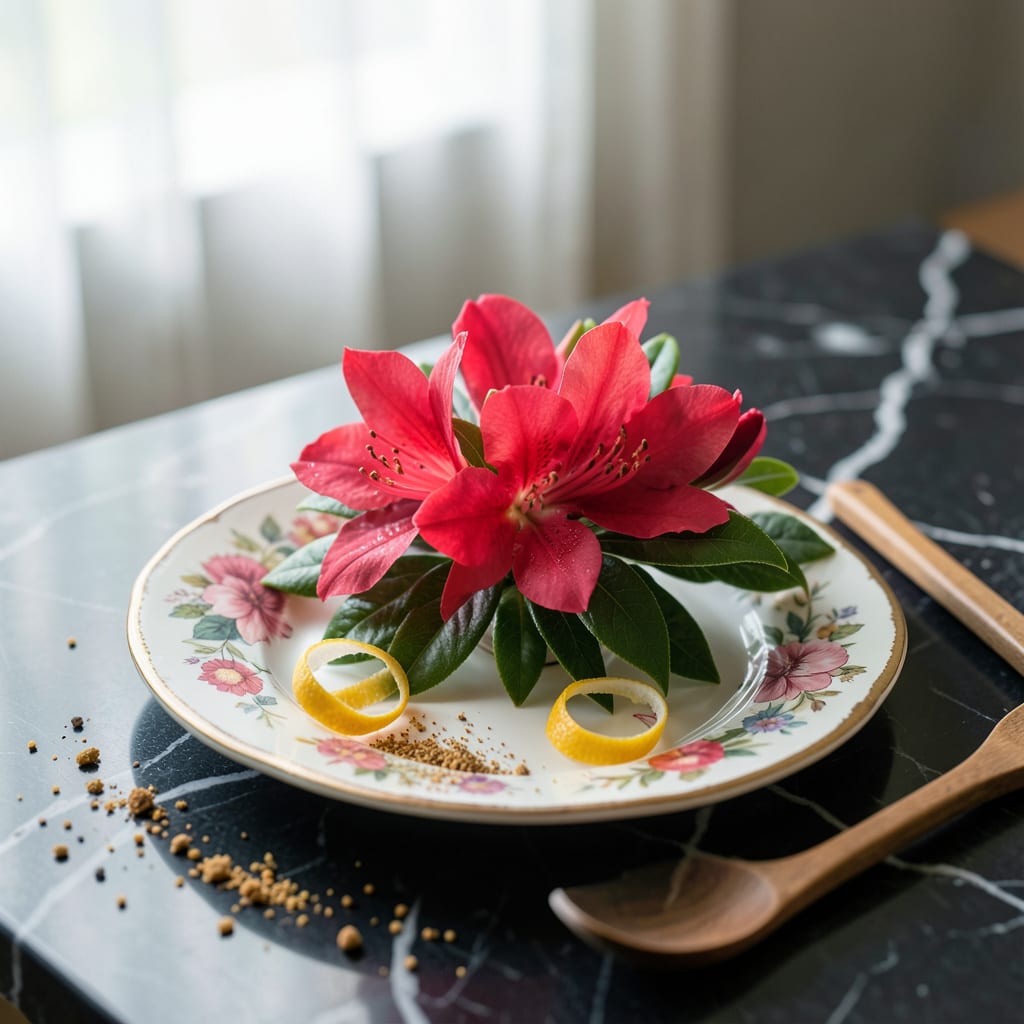
Fertilizing your Azalea 🌺 at the right time is crucial for vibrant blooms and healthy growth. In USDA Zone 6, the ideal times to fertilize are during spring and fall, specifically after blooming in March and again in September.
Using an acidic fertilizer will help maintain the soil’s pH balance, promoting optimal nutrient absorption. I’ll guide you through the best practices for fertilizing your Azalea to ensure it thrives in your garden.

Fertilizing azaleas at the right time is crucial for their health and blooming. The best time to fertilize depends on the type of azalea and your climate. Generally, azaleas benefit from fertilization in early spring and late summer or early fall. For evergreen azaleas, fertilize after they finish blooming in spring. 🌺
In USDA Zone 6, the ideal months for fertilizing azaleas are March, April, September, and October. During these periods, azaleas are actively growing or preparing for the next growth cycle. Using an acidic fertilizer is recommended as azaleas thrive in slightly acidic soil conditions.
The fertilizer type is critical for azaleas. A 10-10-10 NPK acidic fertilizer is typically recommended. This balanced formula provides essential nutrients without overloading the soil. Apply 1 cup of fertilizer per 10 square feet of soil surface area around the plant.
Timing is everything when fertilizing azaleas. The best time to apply fertilizer is in the early morning when the soil is moist but not waterlogged. This allows the plants to absorb the nutrients throughout the day.
It’s also important to monitor soil conditions before fertilizing. If the soil is dry, water the azaleas a day or two before applying fertilizer to prevent root damage.
For container-grown azaleas, follow the same fertilization schedule but adjust the amount according to the container size. Ensure the fertilizer is distributed evenly around the container to promote uniform growth.
Over-fertilization can harm azaleas, leading to burned roots and poor growth. Always follow the recommended application rates and consider conducting a soil test to determine your soil’s nutrient levels.
In regions with cold winters, avoid fertilizing azaleas late in the growing season as this can stimulate new growth that may not harden off before frost.
By following these guidelines, you can ensure your azaleas receive the nutrients they need to thrive, producing vibrant blooms and healthy foliage year after year. 🌼
For more specific advice tailored to your local climate and azalea variety, consult with a local gardening expert or extension service. They can provide additional insights into the best fertilization practices for your area.
Remember, the key to successful azalea care is understanding their specific needs and adjusting your care routine accordingly. With the right fertilization strategy, your azaleas will be a stunning addition to your garden.
Fertilizing azaleas is just one part of their overall care. Combining proper fertilization with appropriate watering, pruning, and soil management will result in robust and beautiful plants.
By understanding and implementing these fertilization tips, you’ll be well on your way to enjoying the beauty of your azaleas for years to come.
Fertilizing azaleas effectively requires understanding the right fertilizer type and application methods. Azaleas thrive in acidic soil, so using an acidic fertilizer is crucial. A 10-10-10 NPK formula is typically recommended as it provides balanced nutrients.
The amount of fertilizer to apply depends on the soil surface area around the plant. Generally, 1 cup of fertilizer per 10 square feet is a good rule of thumb. For container-grown azaleas, adjust the amount based on the container size.
Fertilize azaleas in the early morning when the soil is moist. This helps with nutrient absorption throughout the day.
Timing is critical when fertilizing azaleas. Fertilize after they finish blooming in spring and again in early fall. This schedule supports their growth cycle and promotes healthy development.
It’s also important to monitor soil conditions before fertilizing. If the soil is dry, water the azaleas a day or two before applying fertilizer to prevent root damage.
Over-fertilization can harm azaleas, leading to burned roots and poor growth. Always follow the recommended application rates and consider conducting a soil test to determine your soil’s nutrient levels.
For container-grown azaleas, ensure the fertilizer is distributed evenly around the container to promote uniform growth. Adjust the fertilization schedule as needed based on the plant’s response.
By following these guidelines and tips, you can fertilize your azaleas effectively, ensuring they receive the nutrients they need to thrive and produce vibrant blooms.
For more specific advice tailored to your local climate and azalea variety, consult with a local gardening expert or extension service. They can provide additional insights into the best fertilization practices for your area.
Combining proper fertilization with appropriate watering, pruning, and soil management will result in robust and beautiful azalea plants.
With the right fertilization strategy, your azaleas will be a stunning addition to your garden, providing beauty and vibrancy for years to come 🌼.
Understanding the signs of over or under fertilizing azaleas is crucial for maintaining their health and promoting vibrant blooms. Over-fertilization can lead to burned roots and poor growth, while under-fertilization may result in nutrient deficiencies. I’ll help you recognize these signs and adjust your fertilization strategy accordingly 🌺.
To avoid these issues, it’s essential to monitor your azaleas regularly. Check for changes in leaf color, growth patterns, and bloom quality. Adjust your fertilization schedule based on these observations to ensure your azaleas receive the right amount of nutrients.
Soil testing can also provide valuable insights into your soil’s nutrient levels, helping you make informed decisions about fertilization. Consider conducting a soil test to determine your soil’s pH and nutrient content.
By recognizing the signs of over and under fertilization, you can take corrective action to maintain the health and beauty of your azaleas. This proactive approach will help you enjoy vibrant blooms and healthy foliage year after year 🌼.
For more specific advice tailored to your local climate and azalea variety, consult with a local gardening expert or extension service. They can provide additional insights into the best fertilization practices for your area.
Azaleas typically need fertilization after blooming in spring and again in early fall. For evergreen azaleas, you can also do a light feeding during summer to maintain soil acidity. The exact frequency may vary based on your soil conditions and azalea type.
Azaleas thrive in acidic soil, so an acidic fertilizer with a balanced NPK ratio like 10-10-10 is recommended. This type of fertilizer provides essential nutrients without overloading the soil.
No, it’s generally not recommended to fertilize azaleas during winter as they are dormant. Fertilizing during this time can stimulate new growth that may not harden off before frost, potentially damaging the plant. Wait until spring after blooming to resume fertilization.
Signs of over-fertilization include burned roots, leaf scorch (yellowing or browning of leaf edges), and excessive weak growth. If you notice these symptoms, stop fertilizing and consider conducting a soil test to determine your soil’s nutrient levels. Adjust your fertilization schedule accordingly to prevent further damage.
