
Beautiful Plants For Your Interior
Beautiful Plants For Your Interior
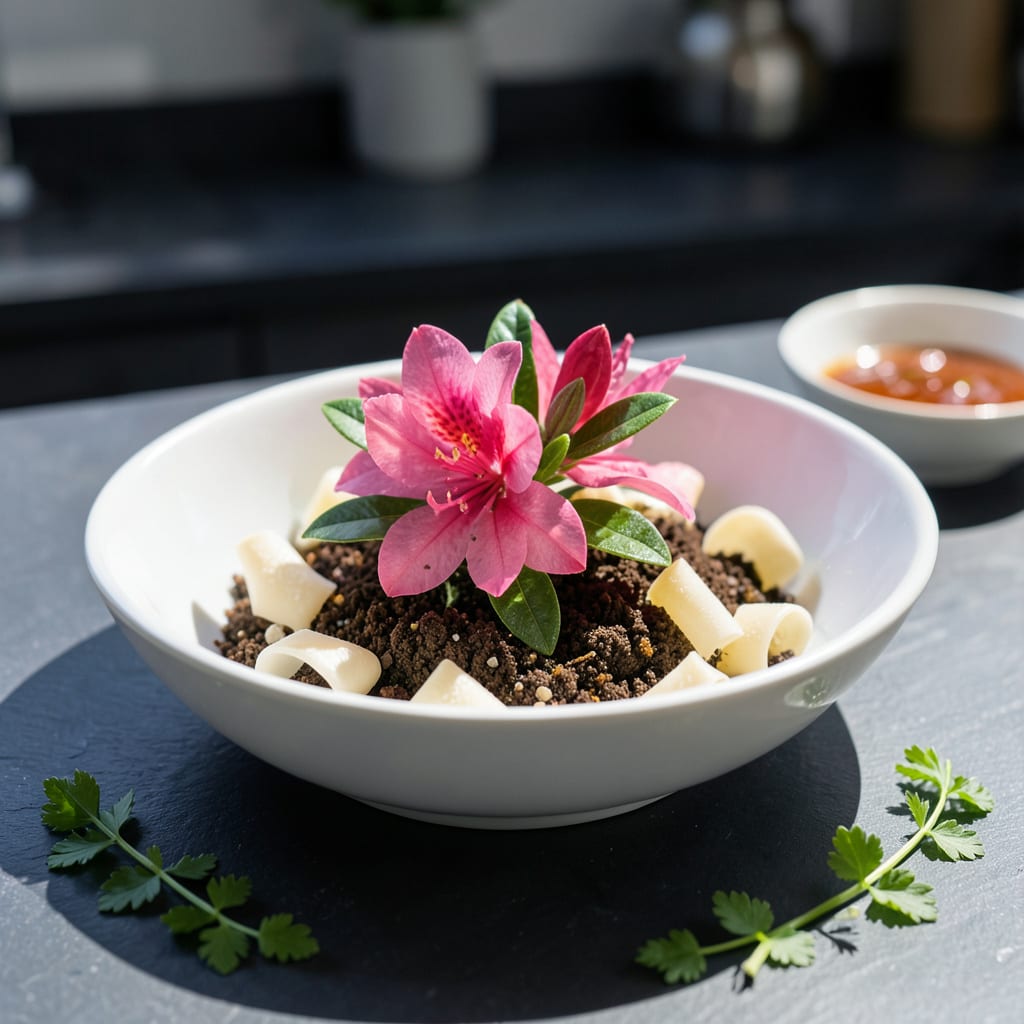
Fertilizing your Azalea 🌺 at the right time is crucial for vibrant blooms and healthy growth. I’ve learned that understanding when and how to fertilize can transform your azalea care routine, especially in USDA Zone 6.
Let’s explore the best practices for fertilizing your Azalea, from choosing the right fertilizer to avoiding common mistakes. By the end of this guide, you’ll know exactly when to fertilize for maximum bloom and how to keep your Azalea thriving.

Fertilizing azaleas at the right time is crucial for achieving vibrant blooms and healthy growth. I recommend understanding the optimal fertilization timing to transform your azalea care routine 🌺.
The best time to fertilize azaleas depends on their blooming cycle and the specific variety. Generally, it’s recommended to fertilize after they finish blooming, as this allows the plant to focus its energy on developing new growth and setting buds for the next year’s blooms.
For most azalea varieties, the ideal fertilization period is in early spring, immediately after they finish blooming. This timing supports the plant’s natural growth cycle and helps promote healthy foliage and future blooms.
Some azalea varieties, like the Encore Azaleas, which bloom multiple times throughout the year, may require additional fertilization in late summer or early fall to support their repeated blooming cycles.
When fertilizing azaleas, it’s essential to use an acidic fertilizer, as these plants thrive in slightly acidic soil conditions. A fertilizer with a balanced NPK ratio, such as 10-10-10 or 5-10-10, is typically recommended.
The amount of fertilizer to apply depends on the specific product and the size of your azalea plants. Generally, a rate of 1 cup per 10 square feet is a good starting point, but always follow the manufacturer’s instructions for the best results.
Fertilizing in the early morning is ideal, as this allows the plants to absorb the nutrients throughout the day. Be sure to water your azaleas well after fertilizing to help distribute the nutrients throughout the soil.
Understanding the specific needs of your azalea variety and adjusting your fertilization schedule accordingly can significantly impact the health and blooming performance of your plants.
By following these guidelines and paying attention to the specific needs of your azaleas, you can enjoy vibrant blooms and healthy growth year after year 🌺.
Regular monitoring of your azaleas’ response to fertilization and adjusting your approach as needed will help maintain their health and promote optimal blooming.
For more detailed information on azalea care and fertilization, consider consulting with local gardening experts or checking resources specific to your USDA zone.
Fertilizing azaleas effectively requires understanding the right techniques and materials to use. I recommend using an acidic fertilizer that matches the plant’s soil preferences 🌺.
The type of fertilizer you choose is critical for azalea health. A balanced NPK ratio such as 10-10-10 or 5-10-10 is typically recommended for these plants.
For optimal results, fertilize your azaleas in the early morning when the soil is moist. This allows the plants to absorb nutrients throughout the day.
When applying fertilizer, it’s essential to follow the manufacturer’s instructions to avoid over-fertilization. Generally, a rate of 1 cup per 10 square feet is a good starting point.
After fertilizing, be sure to water your azaleas well to help distribute the nutrients throughout the soil. This step is crucial for ensuring that the fertilizer is effectively absorbed by the plants.
For azalea varieties like Encore Azaleas, which bloom multiple times throughout the year, additional fertilization in late summer or early fall may be necessary to support their repeated blooming cycles.
Regular monitoring of your azaleas’ response to fertilization and adjusting your approach as needed will help maintain their health and promote optimal blooming 🌺.
By following these guidelines and paying attention to the specific needs of your azaleas, you can enjoy vibrant blooms and healthy growth year after year.
Fertilizing azaleas can be tricky, and there are several common mistakes to watch out for. I’ve learned that being aware of these pitfalls can help you keep your azaleas healthy and thriving 🌺.
One of the most significant mistakes is over-fertilization. Too much fertilizer can damage your azaleas, causing fertilizer burn that can harm the roots and leaves. Always follow the manufacturer’s instructions for the correct dosage.
Too much fertilizer can cause fertilizer burn and damage your azaleas. Always follow the recommended dosage and fertilize at the right time.
Another mistake is fertilizing at the wrong time. Azaleas typically need fertilizer after they finish blooming, so fertilizing too early or too late can be ineffective.
Soil pH is also crucial when fertilizing azaleas. These plants prefer slightly acidic soil, so using a fertilizer that is not acidic enough can be detrimental. Choose a fertilizer that is specifically formulated for acid-loving plants.
To avoid these common mistakes, it’s essential to monitor your azaleas’ response to fertilization and adjust your approach as needed. By being mindful of these potential pitfalls, you can keep your azaleas healthy and promote optimal blooming 🌺.
For more detailed information on azalea care and fertilization, consider consulting with local gardening experts or checking resources specific to your USDA zone.
Fertilize your azaleas after they finish blooming in early spring, and again with a light feeding in late spring or summer. Some varieties like Encore Azaleas may need additional fertilization in late summer or early fall.
Use an acidic fertilizer with a balanced NPK ratio like 10-10-10 or 5-10-10. Azaleas thrive in slightly acidic soil conditions, so this type of fertilizer supports their nutritional needs.
No, it’s generally recommended to avoid fertilizing azaleas in the fall. This allows the plants to prepare for winter dormancy. Instead, focus on fertilizing after blooming in spring and with a light feeding in summer if needed.
A good starting point is to apply 1 cup of fertilizer per 10 square feet. However, always follow the manufacturer’s instructions for the specific product you’re using to avoid over-fertilization.
