
Beautiful Plants For Your Interior
Beautiful Plants For Your Interior
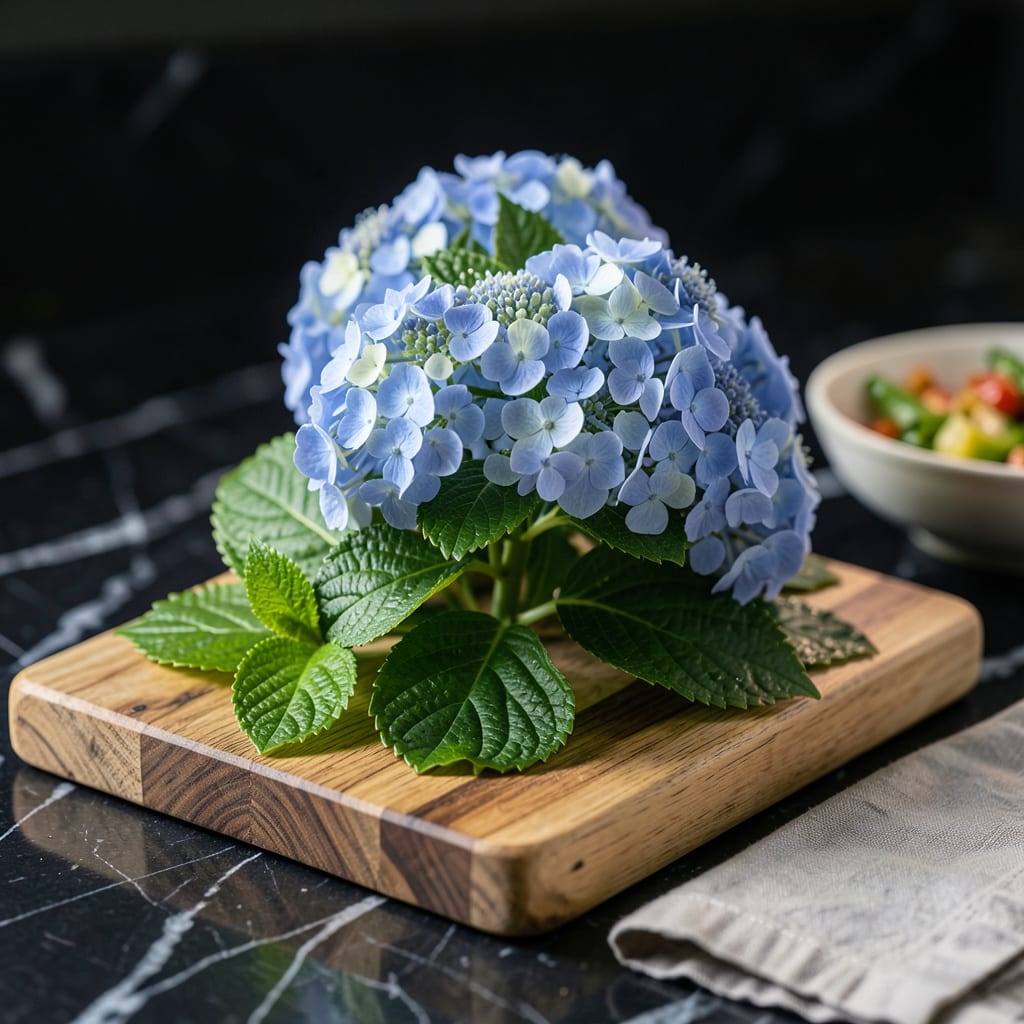
Fertilizing your Hydrangea 🌺 at the right time is crucial for vibrant blooms and healthy growth. In USDA Zone 6, timing is everything to ensure your plants thrive.
I’ll guide you through the best times to fertilize your Hydrangea, helping you achieve maximum bloom potential and avoid common mistakes. Let’s get started on making your garden flourish.

Fertilizing hydrangeas at the right time is crucial for their growth and blooming. In USDA Zone 6, the ideal fertilization schedule varies based on the type of hydrangea and the time of year 🌺.
Understanding the optimal fertilization schedule helps ensure your hydrangeas receive the necessary nutrients for healthy growth and vibrant blooms. Let’s explore the best times to fertilize your hydrangeas throughout the year.
The fertilization schedule for hydrangeas is crucial for their overall health. In early spring, a balanced fertilizer helps promote new growth. After blooming, a light feed supports the plant’s continued health and blooming potential. In late summer/early fall, another balanced fertilizer application prepares the hydrangea for the next growing season.
Different types of hydrangeas may have slightly different fertilization needs. For example, Bigleaf hydrangeas benefit from acidic fertilizers to enhance their blue blooms, while Panicle hydrangeas can thrive with a more general balanced fertilizer 🌿.
It’s essential to avoid fertilizing during the winter months when the plant is dormant. Over-fertilization can lead to excessive foliage growth at the expense of blooms, so it’s crucial to follow the recommended fertilization schedule.
Soil conditions also play a significant role in how often and how much you should fertilize your hydrangeas. Testing your soil can help determine its nutrient content and pH level, guiding your fertilization strategy.
By following this seasonal fertilization guide, you can ensure your hydrangeas receive the nutrients they need to thrive throughout the year.
For more specific advice tailored to your garden’s conditions, consider consulting with a local gardening expert or extension service. They can provide guidance based on your soil type, climate, and specific hydrangea variety.
Remember, the key to successful fertilization is timing and balance. With the right approach, your hydrangeas will reward you with vibrant blooms and healthy growth 🌼.
Fertilizing your hydrangeas is just one part of their overall care. Combining proper fertilization with adequate watering and appropriate pruning will result in a thriving and beautiful garden.
Fertilizing hydrangeas correctly is essential for maximum bloom potential. To achieve vibrant blooms, you need to understand the right fertilizer types and application methods. I’ll guide you through the process to ensure your hydrangeas receive the necessary nutrients 🌺.
The first step is to choose the right fertilizer type. A balanced fertilizer with an NPK ratio of 10-10-10 is generally recommended for hydrangeas. This balance of nitrogen, phosphorus, and potassium supports overall plant health and encourages blooming 🌿.
For Bigleaf hydrangeas, consider using a fertilizer that can help adjust the soil pH to achieve your desired flower color 🌼.
When applying fertilizer, it’s crucial to follow the recommended application rates. Over-fertilization can lead to excessive foliage growth at the expense of blooms. Typically, you should fertilize hydrangeas in early spring and again after they finish blooming ⚠️.
Soil considerations also play a significant role in how you fertilize your hydrangeas. Ensuring your soil has the right pH and nutrient levels will help your plants thrive. For example, Bigleaf hydrangeas benefit from slightly acidic to neutral soil pH 🌿.
To maximize bloom potential, it’s not just about the fertilizer; it’s also about maintaining overall plant health. This includes proper watering, pruning, and mulching practices. By combining these care practices with the right fertilization strategy, you can enjoy vibrant hydrangea blooms throughout the growing season 🌸.
Regularly monitoring your plants‘ health and adjusting your care practices accordingly will help you achieve the best results. Remember, the key is to provide the right nutrients at the right time to support your hydrangeas’ growth and blooming cycle 📆.
For more detailed guidance on fertilizing hydrangeas and other gardening tips, consider consulting with local gardening experts or extension services for advice tailored to your specific climate and soil conditions 🌱.
By understanding and implementing the right fertilization and care strategies, you can enhance the beauty of your garden with healthy and vibrant hydrangea blooms 🌼.
Fertilizing hydrangeas requires careful consideration to avoid common pitfalls that can harm your plants. Understanding these mistakes helps you create a more effective fertilization plan 🌺.
One of the most significant errors is over-fertilization, which can lead to excessive foliage growth at the expense of blooms. This not only affects the plant’s appearance but also its overall health ⚠️.
Avoid fertilizing hydrangeas in the fall or winter when the plant is dormant. This can cause unnecessary stress to the plant 🔒.
Wrong timing is another common mistake. Fertilizing at the wrong time can disrupt the plant’s natural growth cycle. For hydrangeas, it’s best to fertilize in early spring and after they finish blooming 🌼.
Inappropriate fertilizer choices can also harm your hydrangeas. Using a fertilizer that is too high in nitrogen can promote leaf growth over flowering. A balanced fertilizer with an NPK ratio of 10-10-10 is generally recommended 🌿.
To avoid these mistakes, it’s essential to understand the specific needs of your hydrangea variety. Different varieties may have slightly different fertilization requirements, so be sure to research the best practices for your specific plants 📚.
By being aware of these common mistakes and taking steps to avoid them, you can create a fertilization plan that supports the health and beauty of your hydrangeas 🌸.
Regular monitoring of your plants’ health and adjusting your fertilization practices accordingly will help you achieve the best results. For more detailed guidance, consider consulting with local gardening experts or extension services 🌱.
Fertilize your hydrangeas every 4-6 weeks during the growing season, typically from March to September. This frequency supports healthy growth and blooming. Adjust based on your soil conditions and plant response.
A balanced fertilizer with an NPK ratio of 10-10-10 is generally recommended. This balance supports overall plant health and encourages blooming. For Bigleaf hydrangeas, consider a fertilizer that helps adjust soil pH for desired flower color.
No, it’s best to avoid fertilizing hydrangeas in the fall or winter when they’re dormant. Fertilizing during these periods can cause unnecessary stress to the plant. Instead, focus on fertilizing in early spring and after blooming.
Signs of over-fertilization include excessive foliage growth and reduced blooming. If you notice these symptoms, stop fertilizing and flush the soil with water to remove excess nutrients. Monitor your plants’ response and adjust your fertilization schedule accordingly.
