
Beautiful Plants For Your Interior
Beautiful Plants For Your Interior
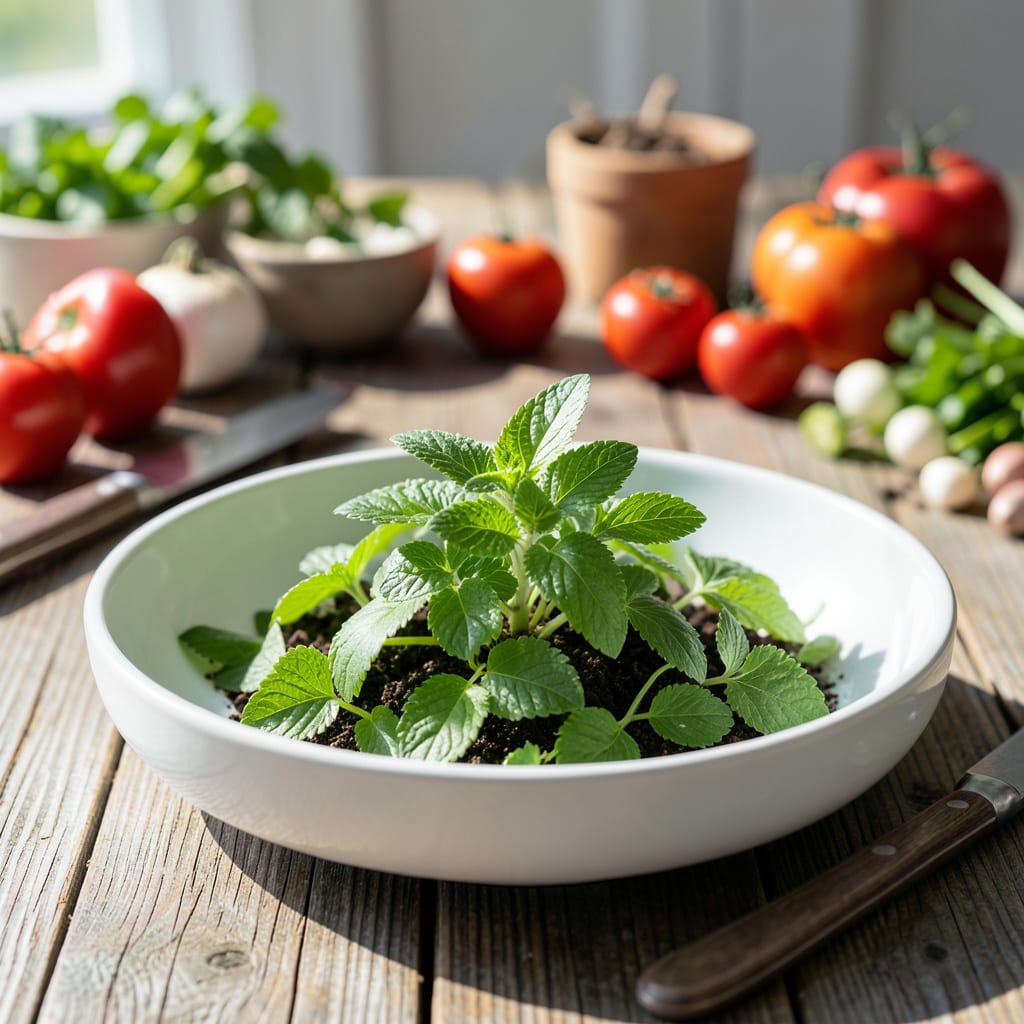
Fertilizing your Tree 🌳 at the right time can make all the difference in its health and growth. I’ve learned that timing is everything when it comes to giving your tree the nutrients it needs to thrive.
In USDA Zone 6, the ideal time to fertilize is during the growing season, particularly in spring when the tree is producing new growth. Let’s explore the best practices for fertilizing your tree to ensure it gets the nutrients it needs.

Fertilizing your trees is a critical step in maintaining their health and promoting optimal growth. The timing of fertilization depends on various factors, including tree species, age, soil quality, and climate conditions. 🌳
Different trees have different nutritional needs, and understanding these needs is essential for effective fertilization. For instance, younger trees require more frequent fertilization than mature trees. Additionally, the soil type and pH level can impact the availability of nutrients for your trees.
In USDA Zone 6, the ideal time to fertilize trees is during the growing season, which typically starts in early spring and continues through summer. Understanding the specific needs of your trees and the conditions in your area is crucial for determining the best fertilization schedule.
Fertilization is not a one-size-fits-all solution; it requires careful consideration of multiple factors to ensure your trees receive the right nutrients at the right time. By paying attention to these details, you can help your trees thrive and maintain their health over time.
Key factors to consider when determining fertilization timing include tree species, age, soil quality, and climate conditions. Each of these factors plays a significant role in determining the optimal fertilization schedule for your trees.
For example, younger trees may require more frequent fertilization to support their rapid growth, while mature trees may need less frequent fertilization. Similarly, trees growing in poor soil may require more nutrients than those growing in rich soil.
By understanding these factors and how they impact your trees, you can develop a fertilization plan that meets their specific needs and promotes optimal growth.
Fertilizing your trees at the right time is essential for maintaining their health and promoting optimal growth. By considering factors such as tree species, age, soil quality, and climate conditions, you can determine the best fertilization schedule for your trees.
In conclusion, fertilizing your trees is a critical step in maintaining their health and promoting optimal growth. By understanding the specific needs of your trees and the conditions in your area, you can develop a fertilization plan that meets their needs and helps them thrive.
Fertilizing your trees effectively requires careful planning and execution. I’ve found that following a step-by-step guide can make all the difference in ensuring your trees receive the nutrients they need to thrive.
The first step is to test your soil to determine its nutrient content and pH level. This information will help you choose the right fertilizer for your trees. 🌳
Select a balanced fertilizer that matches your tree’s nutritional needs.
Follow the recommended application rate and timing for your specific tree type.
Keep an eye on your tree’s response to fertilization and adjust your strategy as needed.
By following these best practices, you can ensure that your trees receive the nutrients they need to thrive.
Fertilizing your trees is not a one-time task; it requires ongoing care and attention. By staying committed to your fertilization plan, you can help your trees maintain their health and promote optimal growth.
Additional Tips for fertilizing trees include avoiding over-fertilization, which can damage your trees, and considering the time of year when fertilizing. In USDA Zone 6, the ideal time to fertilize trees is during the growing season, which typically starts in early spring and continues through summer.
By taking the time to understand your trees’ specific needs and following a well-planned fertilization strategy, you can help them thrive and maintain their health over time.
In summary, fertilizing your trees at the right time is crucial for their health and growth. By following these best practices and staying committed to your fertilization plan, you can help your trees thrive and enjoy their many benefits for years to come.
Fertilizing your trees can be a complex process, and there are several common mistakes to watch out for. I’ve seen many gardeners make these mistakes, which can have negative consequences for their trees. Let’s explore some of the most common errors to avoid.
One of the most significant mistakes is over-fertilization. This can cause excessive growth, weaken your tree’s immune system, and even lead to environmental pollution. 🌳
Avoid over-fertilizing your trees, as this can cause more harm than good. Always follow the recommended application rates and timing for your specific tree type.
Another mistake is under-fertilization, which can lead to nutrient deficiencies and stunted growth. It’s essential to test your soil regularly to determine its nutrient content and pH level.
Incorrect fertilizer choice is also a common mistake. Using the wrong type of fertilizer can waste money and potentially harm your trees. Always choose a balanced fertilizer that matches your tree’s nutritional needs.
By being aware of these common mistakes, you can take steps to avoid them and ensure that your trees receive the right nutrients at the right time. This will help promote healthy growth and maintain the overall health of your trees.
In summary, fertilizing your trees requires careful planning and attention to detail. By avoiding common mistakes and following best practices, you can help your trees thrive and enjoy their many benefits for years to come.
The frequency of fertilization depends on factors like tree age and soil quality. Generally, fertilize your trees every 4-6 weeks during the growing season. For younger trees, more frequent fertilization may be necessary to support their rapid growth.
In USDA Zone 6, the ideal time to fertilize trees is during the growing season, which typically starts in early spring and continues through summer. Fertilizing during this period supports healthy growth and development.
Yes, fertilizing trees in the fall can help them build winter reserves and prepare for the next growing season. Use a balanced fertilizer that matches your tree’s nutritional needs. This will help promote healthy growth and maintain overall tree health.
Choose a balanced fertilizer with an NPK ratio of 10-10-10. This type of fertilizer provides equal amounts of nitrogen, phosphorus, and potassium, which are essential for healthy tree growth. Always follow the recommended application rates and timing for your specific tree type.
