
Beautiful Plants For Your Interior
Beautiful Plants For Your Interior
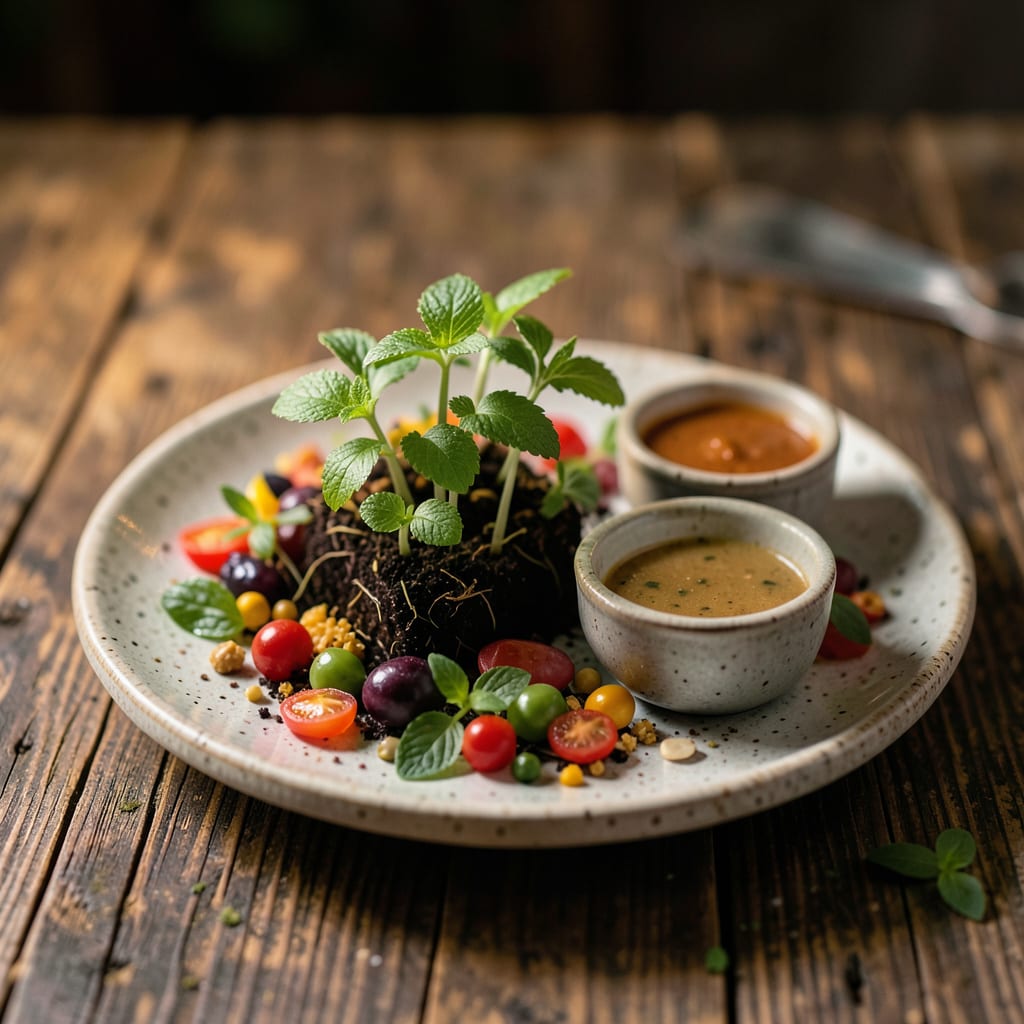
As I watch my 🌱 Seedling grow in USDA Zone 6, I realize that fertilizing at the right time is crucial. Fertilization supports healthy development, but timing is everything.
I’ll guide you through the best practices for fertilizing your Seedling, including when to start and what type of fertilizer to use, to ensure healthy growth and a bountiful harvest between June and August.

Fertilizing seedlings is a crucial step in their development into strong, healthy plants. The right timing and method can make all the difference in their growth 🌱.
The ideal time to fertilize seedlings is when they develop their first true leaves. This indicates that they have begun to photosynthesize and require additional nutrients to support their growth. At this stage, seedlings need essential nutrients to develop a robust root system and healthy foliage 🌻.
When fertilizing seedlings, it’s essential to follow the recommended application rates to avoid over-fertilization. Over-fertilization can damage seedlings and hinder their growth. Always dilute the fertilizer to the recommended strength to prevent burning the roots 🔥.
A balanced fertilizer with an NPK ratio of 10-10-10 is typically recommended for seedlings. This type of fertilizer provides an equal balance of the three essential nutrients, promoting healthy growth and development. I recommend using a balanced fertilizer for your seedlings to ensure they receive the necessary nutrients 🌼.
Seedlings require consistent moisture and adequate light to support their growth. Ensure your seedlings receive the right conditions to thrive, including proper watering and lighting 🌱.
By understanding the nutritional needs of your seedlings and fertilizing at the right time, you can give them the best start in life and set them up for success in your garden. Happy gardening! 🌻
As your seedlings continue to grow, you may need to adjust your fertilization strategy based on their specific needs and growth patterns. Be prepared to make adjustments as necessary to support their ongoing health and development 🌿.
Monitoring your seedlings‘ response to fertilization is crucial. Watch for signs of nutrient deficiency or over-fertilization, and adjust your fertilization schedule accordingly 🔍.
By following these guidelines and being mindful of your seedlings’ needs, you can ensure they receive the necessary nutrients for optimal growth and development 🌸.
Fertilizing seedlings is not a one-size-fits-all approach. Different seedlings may have varying nutritional needs, so be prepared to adapt your fertilization strategy as needed 🌻.
Fertilizing seedlings is a crucial step in their development. The right timing and method can make all the difference in their growth. I always
The ideal time to fertilize seedlings is when they develop their first true leaves. This indicates that they have begun to photosynthesize and require additional nutrients to support their growth 🌱.
Begin with a half-strength balanced fertilizer (10-10-10 NPK) when seedlings have their first true leaves.
Continue fertilizing with a balanced fertilizer every 4-6 weeks during the growing season.
Watch for signs of nutrient deficiency, such as yellowing leaves or slow growth, and adjust fertilization accordingly.
When fertilizing seedlings, it’s essential to follow the recommended application rates to avoid over-fertilization. Over-fertilization can damage seedlings and hinder their growth. Always dilute the fertilizer to the recommended strength to prevent burning the roots.
A balanced fertilizer with an NPK ratio of 10-10-10 is typically recommended for seedlings. This type of fertilizer provides an equal balance of the three essential nutrients, promoting healthy growth and development. I recommend using a balanced fertilizer for your seedlings to ensure they receive the necessary nutrients 🌻.
In addition to fertilization, maintaining proper watering and lighting conditions is vital for seedling health. Ensure your seedlings receive adequate moisture and light to support their growth and development.
By following these best practices and timing guidelines, you can give your seedlings the best start in life and set them up for success in your garden. Happy gardening! 🌱
As your seedlings continue to grow, you may need to adjust your fertilization strategy based on their specific needs and growth patterns. Be prepared to make adjustments as necessary to support their ongoing health and development.
Fertilizing seedlings can be a delicate process, and making mistakes can have significant consequences on their growth and development. I always emphasize the importance of avoiding common pitfalls when fertilizing seedlings to ensure they receive the necessary nutrients for healthy growth.
One of the most common mistakes is over-fertilizing seedlings. This can cause root damage and lead to stunted growth or even kill the seedlings.
To avoid over-fertilizing, it’s essential to follow the recommended application rates for the fertilizer you’re using. Always dilute the fertilizer to the recommended strength to prevent burning the roots. I recommend starting with a half-strength balanced fertilizer (10-10-10 NPK) when seedlings have their first true leaves 🌱.
Another critical mistake to avoid is fertilizing seedlings too early. Seedlings don’t require fertilization until they have developed their first true leaves. Fertilizing before this stage can cause more harm than good, as it can lead to an overabundance of nutrients in the soil.
By being aware of these common mistakes and taking steps to avoid them, you can ensure your seedlings receive the necessary nutrients for healthy growth and development.
In addition to avoiding common mistakes, maintaining proper watering and lighting conditions is vital for seedling health. Ensure your seedlings receive adequate moisture and light to support their growth and development.
Start fertilizing when your seedlings develop their first true leaves. This indicates they’ve begun photosynthesizing and need extra nutrients. Use a half-strength balanced fertilizer (10-10-10 NPK) at this stage.
Fertilize your seedlings every 4-6 weeks during the growing season. Continue using a balanced fertilizer to support healthy growth and development. Monitor your seedlings for signs of nutrient deficiency or over-fertilization.
A balanced fertilizer with an NPK ratio of 10-10-10 is recommended. This provides equal amounts of nitrogen, phosphorus, and potassium, promoting healthy growth and development. Always dilute the fertilizer to the recommended strength.
Yes, over-fertilizing can damage seedlings and hinder their growth. Follow the recommended application rates and dilute the fertilizer to prevent burning the roots. Watch for signs of over-fertilization, such as yellowing leaves or stunted growth.
