
Beautiful Plants For Your Interior
Beautiful Plants For Your Interior
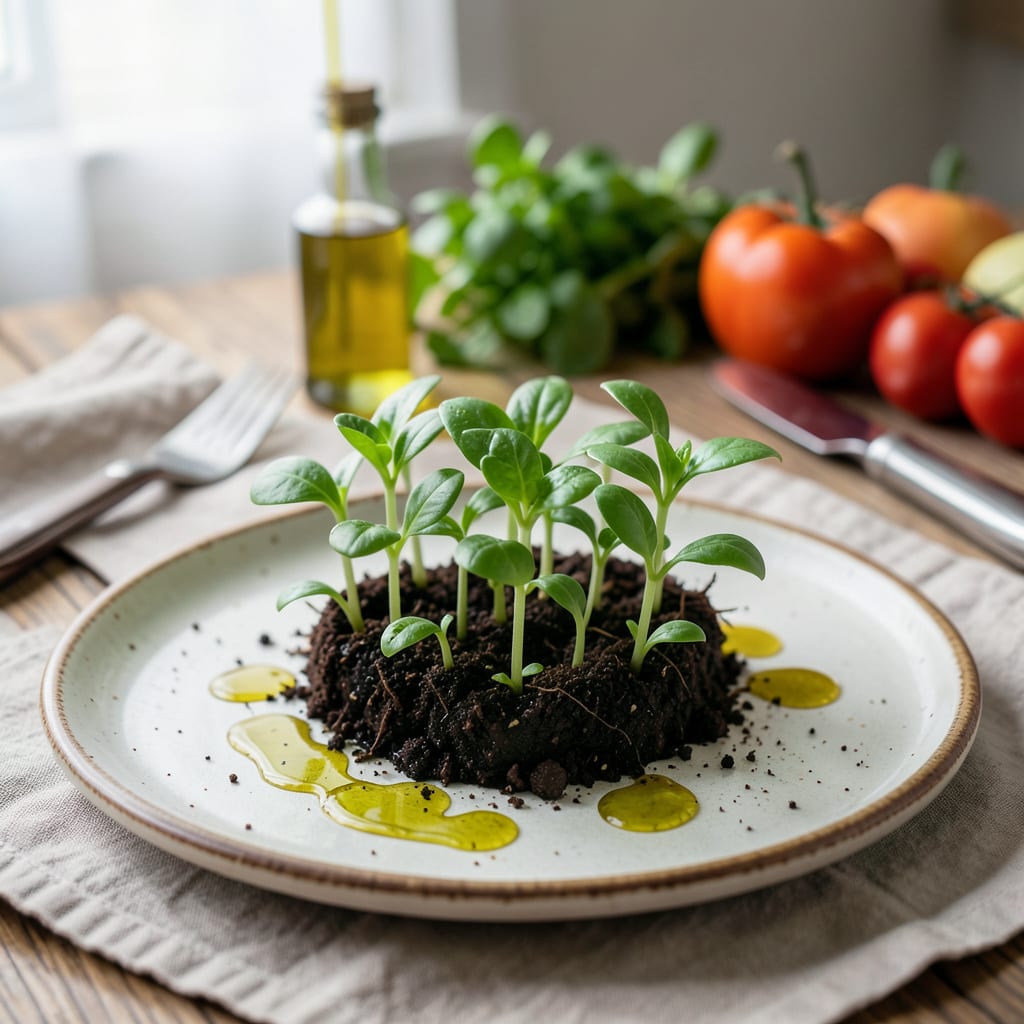
As I watch my 🌱 Seedling grow indoors during spring in USDA Zone 6, I realize that timing is everything when it comes to fertilizing. Fertilizing at the right moment can make all the difference between healthy growth and stagnation.
So, when is the right time to fertilize your Seedling started indoors? Let’s explore the key factors to consider and the best practices to follow for optimal results in your General growing location.

Fertilizing seedlings started indoors is a critical step in their development. Seedlings need essential nutrients to grow strong and healthy. The timing of fertilization depends on several factors, including the type of plant, soil quality, and growth stage 🌱.
I recommend starting with a weak fertilizer solution to avoid burning the roots. A balanced fertilizer with an NPK ratio of 20-20-20 is ideal for most seedlings. It’s also important to consider the soil moisture and light exposure when fertilizing.
The ideal time for fertilization is typically 1-2 weeks after germination, when the seedlings have developed their first true leaves. At this stage, they begin to require more nutrients to support their rapid growth.
I always check for signs of nutrient deficiency, such as yellowing leaves or slow growth. If I notice any of these symptoms, I adjust the fertilization schedule accordingly. It’s also crucial to monitor soil pH, as it affects nutrient availability 🔍.
Fertilizing seedlings started indoors requires a gentle approach. Over-fertilization can be detrimental, so it’s better to err on the side of caution. By understanding the nutritional needs of your seedlings and fertilizing at the right time, you can give them the best chance to thrive.
Key factors to consider when fertilizing seedlings include the type of fertilizer, soil quality, and growth stage. By taking these factors into account, you can create a customized fertilization plan that meets the specific needs of your seedlings.
In my experience, consistent fertilization is key to promoting healthy growth. I
By following these guidelines and being mindful of the unique needs of your seedlings, you can help them grow into strong and healthy plants.
In conclusion, fertilizing seedlings started indoors is a delicate process that requires attention to detail and a willingness to adapt. By understanding the importance of timing and taking a thoughtful approach to fertilization, you can give your seedlings the best chance to succeed.
Fertilizing seedlings started indoors requires careful consideration of timing and application to promote healthy growth 🌱.
I recommend starting with a balanced fertilizer that contains equal parts nitrogen, phosphorus, and potassium (NPK). A 20-20-20 NPK ratio is ideal for most seedlings. It’s also essential to dilute the fertilizer to half the recommended strength to avoid burning the roots.
Fertilize seedlings when they have 2 sets of leaves and are growing actively. Use a weak fertilizer solution (1/4 to 1/2 strength) to avoid burning the roots.
The frequency of fertilization depends on the type of fertilizer and the growth stage of the seedlings. As a general rule, I fertilize seedlings every 7-10 days during the growing season. However, it’s crucial to monitor the seedlings’ response to fertilization and adjust the frequency accordingly.
Soil moisture is another critical factor to consider when fertilizing seedlings. I ensure that the soil is consistently moist but not waterlogged, as this can lead to root rot and other problems.
In addition to timing and application, it’s essential to consider the type of fertilizer used. I prefer organic fertilizers, such as compost tea or fish emulsion, as they release nutrients slowly and promote healthy soil biota.
By following these best practices for fertilizing seedlings started indoors, you can give your plants the best chance to thrive.
In my experience, consistent and balanced fertilization is key to promoting healthy growth in seedlings. By providing your seedlings with the right nutrients at the right time, you can help them develop into strong and healthy plants 🌱.
Fertilizing seedlings started indoors can be a delicate process, and it’s easy to make mistakes that can harm your plants 🌱.
One common mistake is over-fertilization, which can cause burned roots and excessive foliage growth at the expense of fruiting or flowering. To avoid this, I always dilute the fertilizer to the recommended strength or even weaker 🔍.
Be cautious of over-fertilization as it can cause irreversible damage to your seedlings. Always monitor soil moisture and adjust fertilization accordingly.
Another mistake to avoid is under-fertilization, which can lead to nutrient deficiencies and stunted growth. I recommend fertilizing regularly, but at a reduced frequency during periods of slow growth.
Choosing the wrong fertilizer is also a common mistake. I always opt for a balanced fertilizer with an NPK ratio of 20-20-20, which provides essential nutrients for healthy growth.
By being aware of these common mistakes and taking steps to avoid them, you can help your seedlings grow into strong and healthy plants 🌿.
In my experience, careful fertilization is key to promoting healthy growth in seedlings. By following these guidelines and being mindful of the unique needs of your seedlings, you can give them the best chance to thrive.
You should start fertilizing your seedlings 1-2 weeks after germination when they have developed their first true leaves. At this stage, they begin to require more nutrients to support their rapid growth. Use a weak fertilizer solution to avoid burning the roots .
A balanced fertilizer with an NPK ratio of 20-20-20 is ideal for most seedlings. It’s also essential to dilute the fertilizer to half the recommended strength to avoid burning the roots. Organic fertilizers like compost tea or fish emulsion are also great options .
Fertilize your seedlings every 7-10 days during the growing season. However, it’s crucial to monitor the seedlings’ response to fertilization and adjust the frequency accordingly. Make sure the soil is consistently moist but not waterlogged .
Yes, over-fertilization can be detrimental to your seedlings, causing burned roots and excessive foliage growth. To avoid this, always dilute the fertilizer to the recommended strength or even weaker, and monitor soil moisture .
