
Beautiful Plants For Your Interior
Beautiful Plants For Your Interior
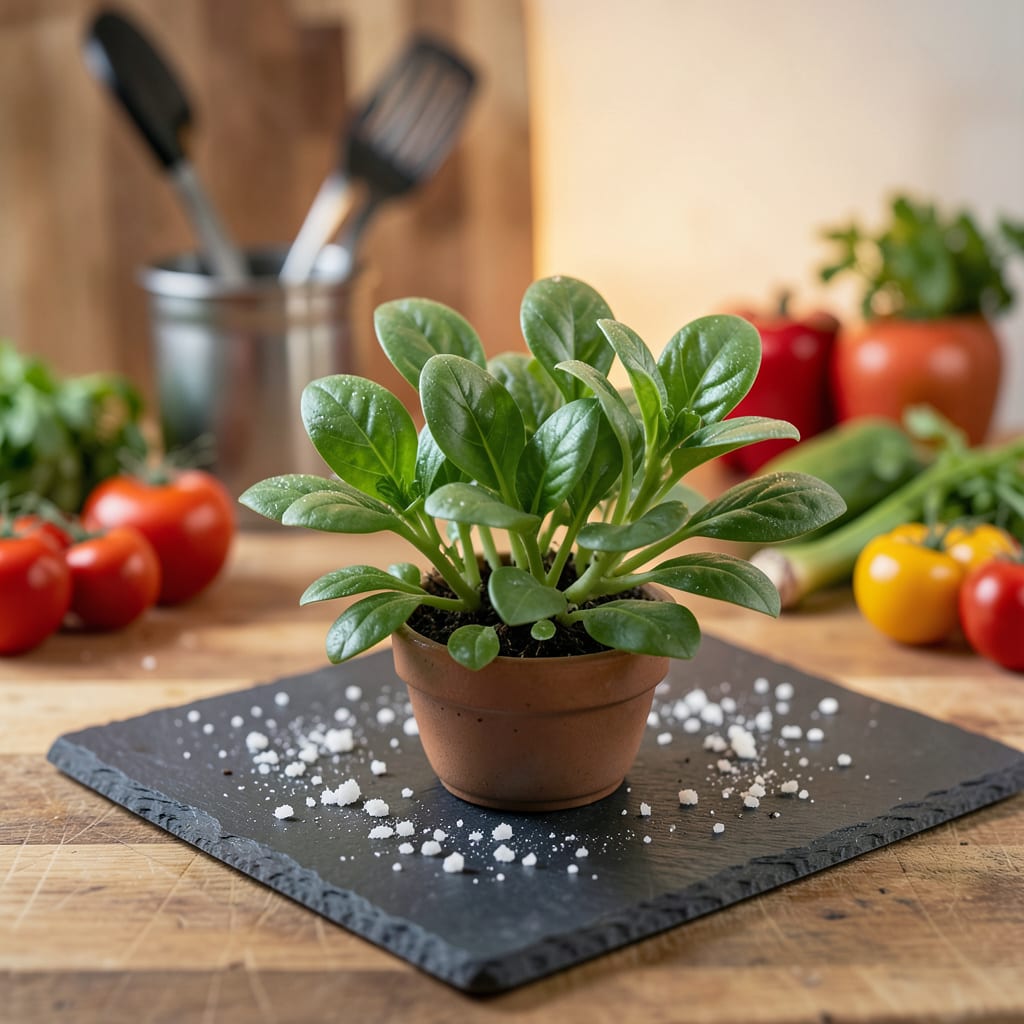
Fertilizing your General Plant 🌱 at the right time is crucial for its growth. In USDA Zone 6, the growing season typically starts in spring, making it the ideal time to begin fertilizing.
Understanding when and how to fertilize will help you achieve vibrant growth and maximize your yields. I’ll guide you through the best practices for fertilizing your plants throughout the growing season.

Fertilizing your plants at the right time is crucial for their growth and development. In USDA Zone 6, the growing season typically starts in spring, making it the ideal time to begin fertilizing. Understanding the seasonal fertilization strategies will help you maximize your yields and keep your plants healthy throughout the year 🌟.
The growing season can be divided into four main periods: spring, summer, fall, and winter. Each season requires a different fertilization approach to support your plants’ needs 🌱.
By following this seasonal fertilization strategy, you can ensure your plants receive the necessary nutrients to thrive throughout the growing season.
Spring fertilization is critical as it provides the necessary nutrients for new growth. Most plants benefit from a balanced fertilizer applied in early spring when the soil temperature reaches 60°F 🌡️.
During summer, continue to fertilize your plants every 4-6 weeks. This frequent fertilization supports continued growth and helps plants withstand the stress of high temperatures and potential droughts 🌞.
In fall, reduce the frequency of fertilization as plants begin to prepare for dormancy. A low-nitrogen fertilizer can help promote root growth and prepare plants for the next growing season 🍂.
Winter is a period of dormancy for most plants, and they typically do not require fertilization. Avoid applying fertilizer during this time to prevent unnecessary nutrient buildup in the soil ❄️.
Understanding the specific needs of your plants and adjusting your fertilization strategy accordingly is key to their success. Always consider factors like soil type, climate, and plant species when planning your fertilization schedule 🌿.
For most vegetables and flowering plants, a balanced fertilizer (e.g., 10-10-10 NPK) is a good starting point. However, some plants may require specialized fertilizers, so it’s essential to research the specific needs of your plants 📚.
Monitoring your plants’ response to fertilization and adjusting your strategy as needed will help you achieve the best results. Look for signs of nutrient deficiencies or excesses, and be prepared to adjust your fertilization schedule accordingly 🔍.
By following these guidelines and understanding the importance of seasonal fertilization, you can help your plants thrive and enjoy a bountiful harvest or vibrant blooms throughout the growing season 🎉.
Understanding when to fertilize your plants is crucial for their growth and development. Different plants have varying fertilization needs based on their type, growth stage, and environmental conditions 🌱.
To determine the right time to fertilize, you need to consider the specific needs of your plants. This includes understanding their nutrient requirements, growth patterns, and responses to different fertilizers 📚.
By understanding the specific fertilization needs of your plants, you can tailor your fertilization schedule to support their growth and maximize their potential 🌟.
Soil testing is also an essential step in determining your plants’ fertilization needs. It helps you understand the nutrient content of your soil and identify any deficiencies that need to be addressed 🔍.
Adjusting your fertilization strategy based on your plants’ responses and the specific conditions of your garden will help you achieve the best results. Always be prepared to make changes as needed to support your plants’ health and productivity 🌱.
For more detailed information on fertilizing specific types of plants, consider consulting gardening resources or experts who can provide guidance tailored to your needs 📖.
By following these guidelines and staying attentive to your plants’ needs, you can ensure they receive the nutrients they need to thrive throughout the growing season 🌿.
Fertilizing your plants can be a complex process, and there are several common mistakes to avoid to ensure your plants receive the nutrients they need to thrive 🌱.
One of the most significant errors is over-fertilization, which can damage your plants’ roots and cause more harm than good ⚠️.
Too much fertilizer can cause root damage and lead to poor plant health. Always follow the recommended application rates.
Another mistake is under-fertilization, where plants don’t receive enough nutrients to support their growth and development 📉.
Timing errors are also common, where fertilizer is applied at the wrong time, either too early or too late in the growing season ⏰.
Using the wrong type of fertilizer can also be detrimental, as different plants have different nutrient requirements 📚.
To avoid these mistakes, it’s essential to understand the specific needs of your plants and adjust your fertilization strategy accordingly 🔍.
By being mindful of these potential pitfalls, you can ensure your plants receive the right amount of nutrients at the right time, promoting healthy growth and maximizing your yields 🌟.
Regularly monitoring your plants‘ responses to fertilization and adjusting your strategy as needed will help you achieve the best results 📊.
During the growing season, typically spring and summer, fertilize your plants every 4-6 weeks with a balanced fertilizer (e.g., 10-10-10 NPK). This frequency supports continuous growth and development .
The best time to fertilize is in the early morning when the soil is moist and temperatures are cooler. This timing helps prevent burning the roots and allows for better nutrient absorption .
In fall, reduce fertilization as plants prepare for dormancy. Consider using a low-nitrogen fertilizer to help build winter reserves. This approach supports root growth and prepares plants for the next growing season .
No, most plants are dormant during winter and do not require fertilization. Avoid applying fertilizer during this time to prevent unnecessary nutrient buildup in the soil .
