
Beautiful Plants For Your Interior
Beautiful Plants For Your Interior
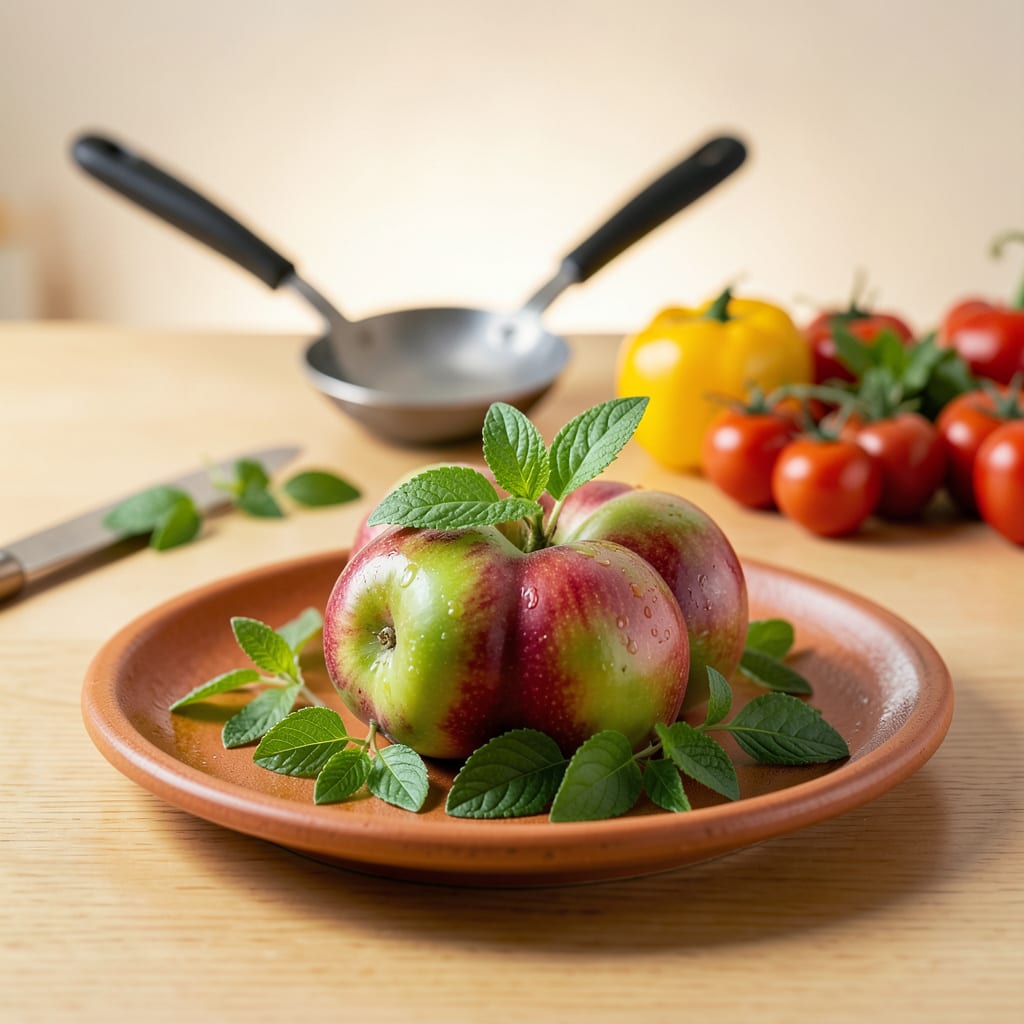
Fertilizing your Fruit Tree 🍎 at the right time is crucial for its growth and fruit production. In USDA Zone 6, timing is everything – fertilizing too early or too late can significantly impact your tree’s health.
So, when is the best time to give your Fruit Tree the nutrients it needs? Let’s explore the optimal fertilization schedule to keep your tree thriving.

Fertilizing fruit trees at the right time is crucial for their growth and fruit production. The timing of fertilization depends on several factors, including the type of fruit tree, climate, and soil conditions. Understanding these factors is essential to determine the best fertilization schedule for your trees.
The type of fruit tree plays a significant role in determining the fertilization timing. Different fruit trees have varying nutrient requirements, and some may require more frequent fertilization than others. For example, apple trees and pear trees typically require annual fertilization, while citrus trees may need more frequent fertilization due to their high nutrient demands.
Climate is another critical factor to consider when determining the best time to fertilize fruit trees. Weather conditions, such as temperature and rainfall, can affect nutrient availability and uptake. For instance, drought conditions may require adjustments to fertilization schedules to avoid stressing the trees.
Soil conditions also play a vital role in fruit tree fertilization. Soil pH, nutrient content, and structure can impact the availability of nutrients for the trees. Soil testing can help determine the nutrient needs of your fruit trees and guide fertilization decisions.
In general, fruit trees benefit from fertilization during their active growing season, which typically occurs in the spring and early summer. This allows the trees to absorb the necessary nutrients for healthy growth and fruit production.
The specific timing of fertilization within the growing season can vary depending on the tree type and climate. For example, stone fruit trees like peaches and plums typically require fertilization in late winter to early spring, while pome fruit trees like apples and pears may benefit from fertilization in early spring.
It’s also important to consider the age of the fruit tree when determining the fertilization timing. Young trees may require more frequent fertilization to support their rapid growth, while mature trees may require less frequent fertilization.
By understanding the factors that influence fruit tree fertilization timing, you can develop a fertilization schedule that meets the specific needs of your trees. This can help promote healthy growth, maximize fruit production, and ensure a bountiful harvest.
Regular soil testing and monitoring of tree health can also help refine your fertilization schedule over time. By combining this information with knowledge of your tree type, climate, and soil conditions, you can optimize your fertilization strategy for maximum benefit.
In summary, the best time to fertilize fruit trees depends on a combination of factors, including tree type, climate, soil conditions, and age. By considering these factors and developing a tailored fertilization schedule, you can support the health and productivity of your fruit trees.
Fertilization is just one aspect of overall tree care. Proper watering, pruning, and pest management are also essential for maintaining healthy fruit trees.
Fertilizing fruit trees at the right time is crucial for their growth and fruit production. The best time to fertilize depends on the type of fruit tree and the climate. In general, fruit trees benefit from fertilization during their active growing season, which typically occurs in the spring and early summer.
For stone fruit trees like peaches and plums, fertilization in late winter to early spring is recommended. This allows the trees to absorb the necessary nutrients for healthy growth and fruit production. In contrast, pome fruit trees like apples and pears may benefit from fertilization in early spring.
The specific timing of fertilization within the growing season can vary depending on the tree type and climate. For example, in warmer climates, fertilization may be needed earlier in the spring, while in cooler climates, it may be delayed until the soil has warmed up.
It’s also important to consider the age of the fruit tree when determining the fertilization timing. Young trees may require more frequent fertilization to support their rapid growth, while mature trees may require less frequent fertilization.
By understanding the factors that influence fruit tree fertilization timing, you can develop a fertilization schedule that meets the specific needs of your trees. This can help promote healthy growth, maximize fruit production, and ensure a bountiful harvest.
Regular soil testing and monitoring of tree health can also help refine your fertilization schedule over time. By combining this information with knowledge of your tree type, climate, and soil conditions, you can optimize your fertilization strategy for maximum benefit.
When fertilizing fruit trees, it’s essential to consider several key factors to ensure effective fertilization. The type of fertilizer used, soil conditions, and application methods all play a crucial role in promoting healthy tree growth and maximizing fruit production.
Regular soil testing helps determine nutrient needs and guides fertilization decisions. Test your soil annually to ensure optimal nutrient levels 🌸
The type of fertilizer used is critical for fruit tree fertilization. A balanced fertilizer with a mix of nitrogen, phosphorus, and potassium (NPK) is generally recommended. The NPK ratio should be suitable for the specific needs of your fruit trees.
Application methods also impact fertilization effectiveness. Fertilizer can be applied through various methods, including broadcasting, banding, or fertigation. The chosen method should ensure that the fertilizer is delivered to the root zone of the trees.
In addition to fertilizer type and application method, soil conditions play a significant role in fruit tree fertilization. Soil pH, nutrient content, and structure can impact nutrient availability and uptake. Regular soil testing can help identify any necessary adjustments to your fertilization strategy.
By considering these key factors and developing a tailored fertilization plan, you can promote healthy growth, maximize fruit production, and ensure a bountiful harvest from your fruit trees 🌻
Effective fruit tree fertilization requires a comprehensive approach that includes proper watering, pruning, and pest management. By combining these practices with a well-planned fertilization strategy, you can optimize the health and productivity of your fruit trees.
Fertilization frequency depends on tree age and type. Generally, fruit trees need fertilization every 4-6 weeks during the growing season. Young trees may require more frequent fertilization.
A balanced fertilizer with a mix of nitrogen, phosphorus, and potassium (NPK) is recommended. The NPK ratio should be suitable for your specific fruit tree type. Regular soil testing helps determine the best fertilizer for your trees.
No, it’s generally recommended to avoid fertilizing in fall as it can promote new growth that may not harden off before winter. Instead, focus on fertilizing during the active growing season in spring and early summer.
Look for signs like slow growth, yellowing leaves, or poor fruit production. Regular soil testing can also help determine if your trees need fertilization. Consult with a gardening expert if you’re unsure.
