
Beautiful Plants For Your Interior
Beautiful Plants For Your Interior
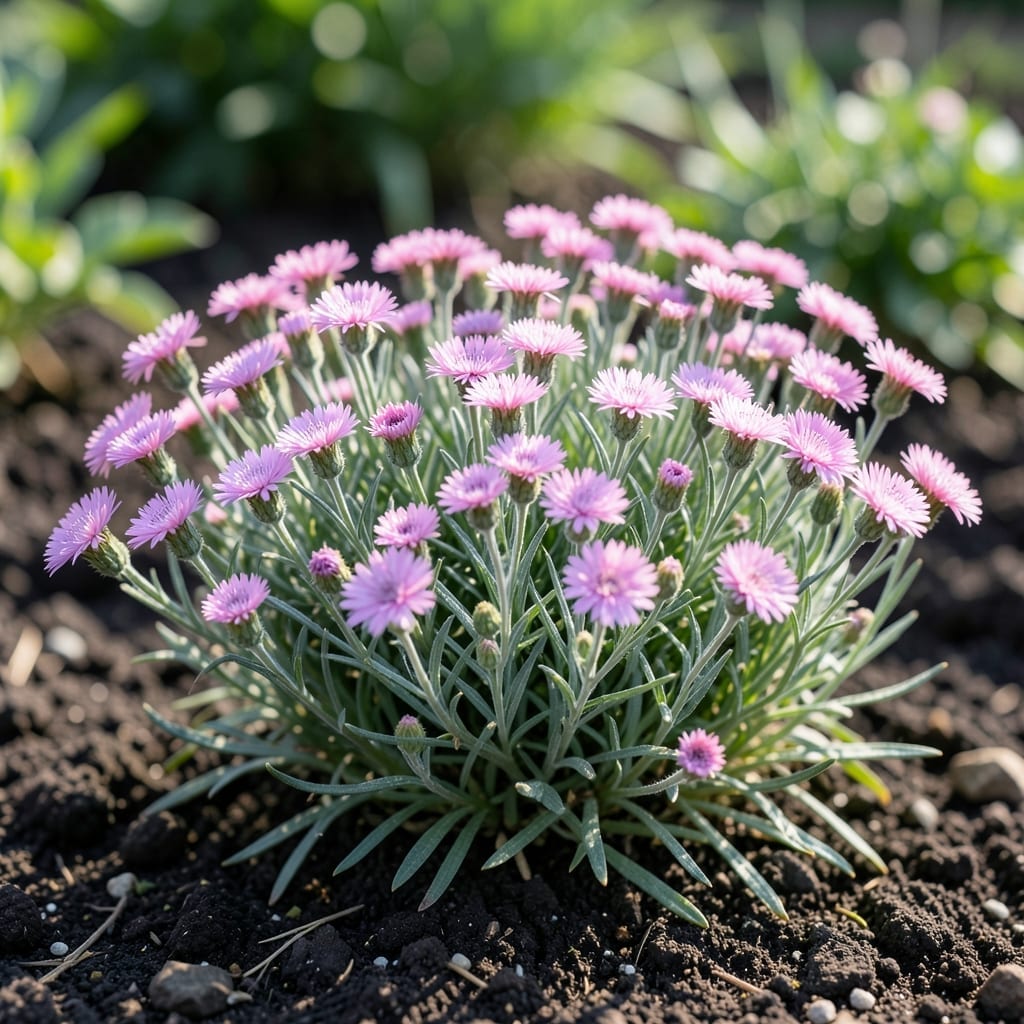
There’s nothing quite like watching your garden burst into color, and Dianthus 🌸 delivers some of the most stunning displays. But timing is everything when it comes to enjoying those vibrant blooms.
I’ve learned that understanding the blooming seasons for different varieties can transform your gardening experience. Whether you’re planting annuals or perennials, the right knowledge ensures a garden that thrives.
Discover how to make the most of Dianthus in your space, from planting tips to maximizing bloom time. Let’s dig in.
I love how Dianthus varieties offer such diverse blooming windows. Most gardeners don’t realize that annual types like Sweet William typically bloom from late spring to early summer, while perennials can keep going. 🌸
Perennial Dianthus, such as Pinks, often produce their first flush of fragrant flowers in early to mid-spring. With proper care, many will rebloom in fall, giving you a second wave of color. This makes them a fantastic choice for long-lasting garden interest.
| Variety | Bloom Time | Duration |
|---|---|---|
| Sweet William | Late Spring to Early Summer | 6-8 weeks |
| Carnation | Summer to Early Fall | 10-12 weeks |
| Pinks | Spring and Fall | 4-6 weeks per flush |
| China Pinks | Late Spring to Summer | 8-10 weeks |
In warmer climates, some Dianthus varieties may bloom almost year-round, especially if they’re given afternoon shade during the hottest months. I’ve seen this firsthand in USDA zones 8-10, where the growing season is extended.
For cooler regions like zone 6, expect blooms to start after the last frost. This usually means April or May for spring varieties. The plants often take a break during summer heat before producing a second flush in fall. ✂️
Annual Dianthus like Sweet William are perfect for quick color in your garden. They grow rapidly and bloom within 12-16 weeks from sowing. This makes them ideal for filling gaps in spring and early summer beds.
If you’re planting perennial Dianthus, remember they often establish slowly in their first year. The real show begins in year two, with more abundant blooms and better cold hardiness. Patience pays off with these beauties.
I always recommend deadheading spent blooms to encourage more flowers. For repeat-blooming varieties, this simple step can extend your Dianthus display by several weeks. It’s one of the easiest ways to get more bang for your buck in the garden.
Soil conditions play a big role too. Dianthus thrives in well-draining soil with a neutral to slightly alkaline pH. If your soil is heavy clay, consider amending with compost or planting in raised beds for better results. 🌿
Finally, don’t overlook the impact of sunlight exposure. While Dianthus loves full sun, in extremely hot areas, partial shade can prevent premature wilting and help blooms last longer. It’s all about finding that perfect balance for your specific climate.
I’ve found that with a few simple techniques, you can significantly extend your Dianthus blooming season. The key is understanding what these vibrant flowers need to thrive beyond their natural window. 🌸
First, deadheading spent blooms regularly encourages the plant to produce more flowers. This works especially well with perennial varieties like Pinks, which can rebloom in fall if properly maintained.
For optimal watering, I recommend giving your Dianthus 1-2 inches per week, preferably in the morning. This helps prevent powdery mildew, a common issue with these plants. ☀️
Fertilizing schedules matter too. Use a balanced fertilizer low in nitrogen but high in phosphorus to promote blooming rather than leafy growth. Apply every 4-6 weeks during the growing season.
In my experience, sunlight exposure is crucial. While Dianthus loves full sun, in very hot climates, afternoon shade can prevent premature wilting and extend the bloom period by weeks.
Finally, proper spacing between plants ensures good air circulation, which reduces disease risk. I plant mine 12-18 inches apart for best results. With these care tips, your Dianthus can bloom up to 50% longer than average. 🌿