
Beautiful Plants For Your Interior
Beautiful Plants For Your Interior
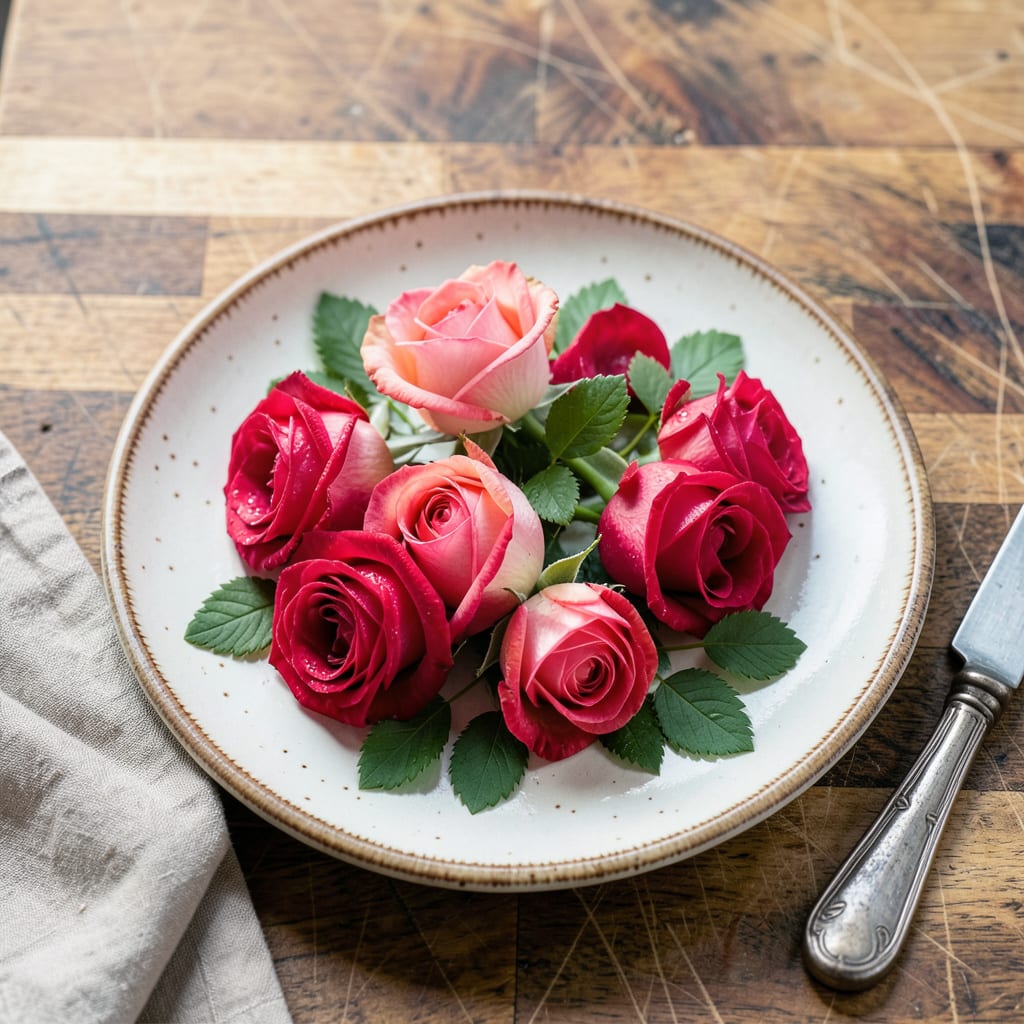
Fertilizing your 🌹 roses at the right time can make all the difference in their growth and blooming. In USDA Zone 6, the growing season is a key factor in determining when to feed your roses.
Understanding when to fertilize is crucial for maximizing blooms and maintaining plant health throughout the spring and fall seasons. Let’s explore the best times to give your roses the nutrients they need to thrive.

Fertilizing roses is a critical step in maintaining their health and maximizing their bloom production. In USDA Zone 6, the growing season for roses typically spans from spring to fall. Understanding when to fertilize during this period can significantly impact the overall performance of your rose plants 🌹.
The key to successful rose fertilization lies in timing. Roses have different nutrient requirements at various stages of their growth cycle. By aligning your fertilization schedule with these needs, you can promote vigorous growth, abundant blooming, and overall plant resilience 💪.
Fertilizing roses in early spring helps kickstart their growth after winter dormancy. A balanced fertilizer with an NPK ratio of 10-10-10 provides the necessary nutrients for healthy foliage and bloom development 🌱.
After the first bloom cycle in late spring, roses benefit from another round of fertilization. This application supports continued flowering throughout the growing season and helps maintain plant vigor 💐.
In early fall, a final fertilization helps roses prepare for winter by building up their nutrient reserves. This step is crucial for enhancing their cold hardiness and ensuring they come back strong the following spring 🍁.
It’s important to note that during the summer months, roses may require lighter feeding or no fertilization at all, depending on the specific climate conditions and the type of fertilizer used 🌞.
By following this seasonal fertilization schedule, you can provide your roses with the nutrients they need to thrive throughout the year and enjoy a spectacular display of blooms 💥.
For more detailed information on rose care and fertilization, be sure to check out additional resources and expert gardening tips 📚.
Consistent fertilization is key to maintaining healthy roses. By understanding the optimal fertilization schedule, you can ensure your roses receive the nutrients they need to flourish 🌼.
With the right fertilization strategy, you can enjoy beautiful blooms and healthy rose plants throughout the growing season 🌹.
Fertilizing roses effectively requires understanding the right techniques and timing to maximize bloom production. The key is to provide your roses with the necessary nutrients at the right time 🌹.
Choosing the right fertilizer type is crucial for rose health. A balanced fertilizer with an NPK ratio of 10-10-10 is generally recommended for most rose varieties. This type of fertilizer provides equal amounts of nitrogen, phosphorus, and potassium, which are essential for healthy growth and blooming 💪.
For maximum blooms, use a rose-specific fertilizer that contains additional phosphorus to promote flowering. Apply it in early morning when the soil is moist.
When applying fertilizer, it’s essential to follow the recommended dosage guidelines. Typically, you’ll want to use about 1 cup of fertilizer per 10 square feet of soil surface area. Adjust this amount based on the specific instructions on your fertilizer package 📦.
The method of application is also important. You can either sprinkle the fertilizer around the base of the plant or mix it into the soil. For best results, avoid getting fertilizer on the leaves or stems to prevent burning 🌿.
Watering after fertilizing helps the nutrients get absorbed by the roots.
For container-grown roses, use a slow-release fertilizer to provide nutrients over an extended period. This helps maintain consistent nutrient levels in the soil 🌼.
Monitoring your roses’ response to fertilization is crucial. If you notice signs of nutrient deficiency or excess, adjust your fertilization schedule accordingly 🔍.
By following these guidelines and using the right fertilizer, you can enjoy a vibrant display of blooms and healthy rose plants throughout the growing season 🌹.
For more detailed information on rose care and fertilization, be sure to check out additional resources and expert gardening tips 📚.
When fertilizing roses, it’s essential to avoid common mistakes that can harm your plants. One of the most critical errors is over-fertilizing, which can cause nutrient burn and damage the roots 🌿.
Another mistake is fertilizing at the wrong time. Roses have different nutrient requirements during various growth stages, so it’s crucial to time your fertilization correctly. For example, fertilizing in the summer when roses are not actively growing can be wasteful and potentially harmful 🔥.
Be cautious of over-fertilization, as it can lead to weak growth and make your roses more susceptible to diseases and pests.
To avoid these mistakes, it’s crucial to understand the specific needs of your roses. This includes knowing the right type of fertilizer to use, the correct application rate, and the optimal timing for fertilization 📚.
By being aware of these common fertilization mistakes and taking steps to avoid them, you can help ensure the health and vitality of your rose plants. This will lead to more abundant blooms and a more resilient garden 🌹.
For more detailed information on rose care and fertilization, be sure to check out additional resources and expert gardening tips. This will help you stay informed and make the best decisions for your garden 📖.
By following these guidelines and avoiding common mistakes, you can enjoy a thriving and beautiful rose garden. Happy gardening! 🌼
Fertilize your roses every 4-6 weeks during the growing season, which typically spans from spring to fall. This frequency supports healthy growth and blooming. Adjust based on your specific climate and fertilizer type.
A balanced fertilizer with an NPK ratio of 10-10-10 is generally recommended for most rose varieties. This type provides equal amounts of nitrogen, phosphorus, and potassium, essential for healthy growth and blooming.
During summer months, roses may require lighter feeding or no fertilization at all, depending on your climate and fertilizer type. Check your specific rose variety’s needs and adjust accordingly.
Over-fertilization can cause nutrient burn, damaging the roots and leading to weak growth. Watch for signs like yellowing leaves or burnt tips, and adjust your fertilization schedule if you notice these symptoms.
