
Beautiful Plants For Your Interior
Beautiful Plants For Your Interior
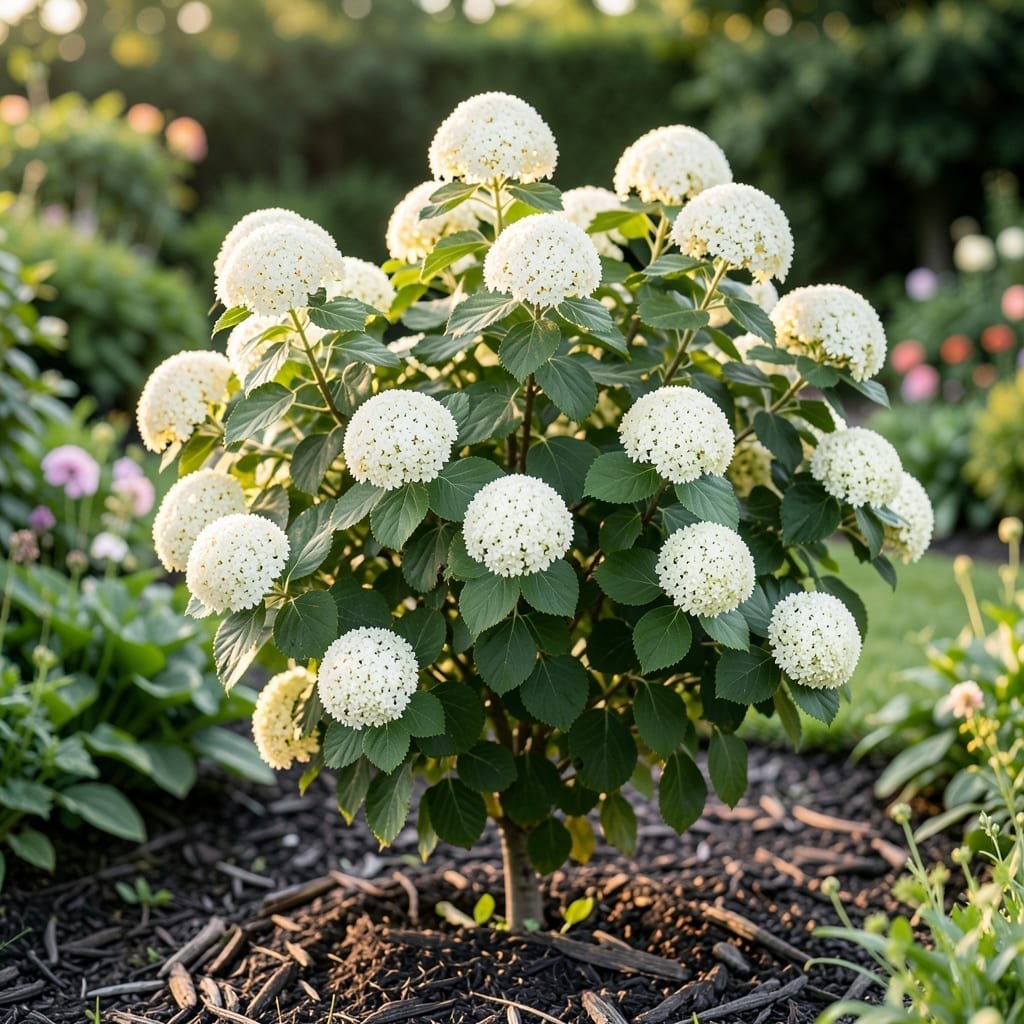
I’ll never forget the first time I saw a 🌳 Snowball Tree in full bloom—those perfect white clusters looked like nature’s own wedding bouquets. Timing is everything with these stunners, and knowing their bloom window lets you plan your garden’s annual showstopper moment.
These deciduous shrubs typically burst into bloom from late spring to early summer, but regional climate and variety can shift the schedule. Whether you’re in zone 4-8 or just love seasonal gardening, this timing is your secret weapon.
Discover how to coax the most spectacular display from your Snowball Tree and keep it thriving year after year. Let’s dive into the details that make all the difference.
If you’ve ever admired a snowball tree in full bloom, you know it’s a garden highlight. These beautiful shrubs typically bloom from late spring to early summer, but exact timing varies by type and location.
Most Viburnum opulus varieties, like the classic European Snowball, burst into bloom in May to June. Meanwhile, Viburnum macrocephalum often flowers a bit earlier, especially in warmer climates. Regional weather plays a big role too.
| Variety | Bloom Period | USDA Zones |
|---|---|---|
| Viburnum opulus | Late May to June | 4-8 |
| Viburnum macrocephalum | April to May | 6-9 |
| Viburnum plicatum | May to June | 5-8 |
In cooler zones like 4-5, blooms may appear slightly later, often in early June. Warmer zones, such as 8-9, can see flowers as early as April, especially for macrocephalum types.
The bloom duration usually lasts 2-3 weeks, depending on weather. Cooler temperatures can extend the show, while heat may shorten it. Proper care ensures a vibrant, long-lasting display.
For the best results, plant in well-draining soil with full sun to partial shade. This encourages strong, healthy blooms year after year.
I’ve found that consistent watering in the weeks leading up to bloom time makes a noticeable difference. Avoid over-pruning in fall, as this can remove next year’s flower buds.
If your tree isn’t blooming, check for poor soil conditions or insufficient sunlight. These are common culprits that can delay or prevent those gorgeous white clusters.
Snowball trees are low-maintenance once established, but giving them the right start ensures they thrive. With proper care, you’ll enjoy their spectacular blooms for years to come.
Watch for early bud formation in spring—this is your sign that the show is about to begin.
🌳
To get the most from your snowball tree, focus on timing and care. These shrubs reward gardeners who provide the right conditions, especially leading up to their late spring to early summer bloom window.
I always start by ensuring my snowball trees have well-draining soil and full sun to partial shade. This combination encourages strong, healthy growth and abundant blooms. Without enough light, you might end up with fewer flowers.
In my experience, pruning timing is critical. If you prune in fall or winter, you risk removing the buds that would have become next year’s beautiful white clusters. Always wait until after the blooms fade.
Watering deeply once a week is better than frequent shallow watering. This encourages deep root growth, which helps your tree withstand dry spells and produce more vibrant blooms.
A balanced fertilizer applied in early spring gives your snowball tree the nutrients it needs. I prefer a 10-10-10 formula, which supports both foliage and flower production.
Finally, keep an eye out for pests or diseases, as these can stress the plant and reduce blooming. Healthy trees are more likely to put on a stunning seasonal show every year. 🌳