
Beautiful Plants For Your Interior
Beautiful Plants For Your Interior
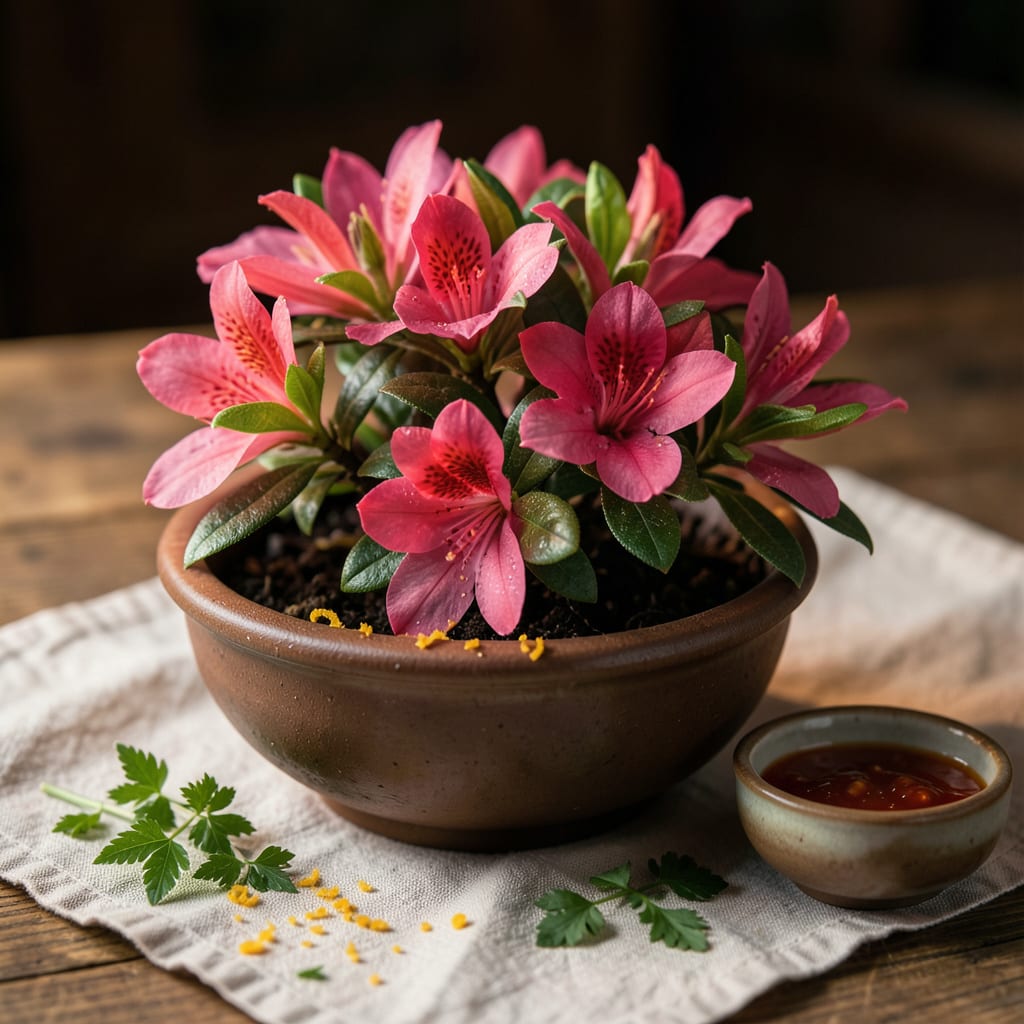
Fertilizing azaleas 🌺 at the right time is crucial for vibrant blooms and healthy growth in USDA Zone 6. I’ve learned that understanding when and how to fertilize can transform your azalea care routine.
For best results, you’ll want to fertilize your azaleas during their active growing seasons – typically in spring and fall. Let’s explore the optimal timing and techniques to keep your azaleas thriving.

Fertilizing azaleas at the right time is crucial for vibrant blooms and healthy growth. I’ve found that understanding when and how to fertilize can make a significant difference in your azalea care routine 🌺.
The best time to fertilize azaleas depends on their type, climate, and growth cycle. Generally, azaleas benefit from fertilization during their active growing seasons – typically in spring and fall.
For most azalea varieties, the ideal fertilization months are March, April, September, and October. These periods coincide with their active growth phases.
When fertilizing azaleas, it’s essential to use an acidic, balanced fertilizer. A fertilizer with an NPK ratio of 10-10-10 or 12-6-6 is typically recommended. The amount of fertilizer to apply is usually 1 cup per 10 square feet of soil surface.
The best time to apply fertilizer is in the early morning, allowing the plants to absorb the nutrients throughout the day.
Different azalea varieties may have slightly different fertilization needs. For example, deciduous azaleas might require a slightly different fertilization schedule compared to evergreen azaleas. Always check the specific needs of your azalea variety for the best results.
It’s also important to consider your local climate and soil conditions when planning your azalea fertilization schedule. In areas with poor soil quality, more frequent fertilization might be necessary.
Monitoring your azaleas’ response to fertilization is key. If you notice weak or spindly growth, it might be a sign that your fertilization strategy needs adjustment.
By following these guidelines and understanding the specific needs of your azaleas, you can enjoy vibrant blooms and healthy foliage throughout the growing season 🌼.
For more detailed information on azalea care, including fertilization tips and other maintenance advice, be sure to check out additional resources on azalea cultivation.
Remember, the key to successful azalea fertilization is timing and consistency. With the right approach, your azaleas will reward you with stunning blooms year after year.
I recommend fertilizing azaleas at specific times to maximize their growth and blooming potential. The key is understanding their growth cycle and nutrient needs 🌺.
Azaleas generally benefit from fertilization during their active growing seasons. For most varieties, this means fertilizing in spring after blooming and again in fall.
Use an acidic, balanced fertilizer with an NPK ratio of 10-10-10 or 12-6-6 for optimal azalea health.
When fertilizing azaleas, it’s crucial to follow the recommended application rates. Typically, you’ll want to apply about 1 cup of fertilizer per 10 square feet of soil surface.
The best time to fertilize is in the early morning, allowing the plants to absorb the nutrients throughout the day. This timing helps maximize nutrient uptake and minimizes waste.
Different azalea varieties may have slightly different fertilization needs. For example, deciduous azaleas might require a slightly different schedule compared to evergreen azaleas. Always check the specific needs of your azalea variety.
Soil conditions also play a critical role in azalea fertilization. In areas with poor soil quality, more frequent fertilization might be necessary to support healthy growth.
Monitoring your azaleas’ response to fertilization is essential. If you notice weak or spindly growth, it might indicate that your fertilization strategy needs adjustment.
By following these guidelines and understanding the specific needs of your azaleas, you can enjoy vibrant blooms and healthy foliage throughout the growing season 🌼.
Fertilizing azaleas can be tricky, and I’ve seen many gardeners make common mistakes that can harm their plants. Understanding these pitfalls can help you avoid them and keep your azaleas healthy 🌺.
One of the most critical errors is fertilizing at the wrong time. Azaleas have specific growth cycles that dictate when they need nutrients. Fertilizing during dormancy can be particularly harmful.
Avoid fertilizing azaleas during winter dormancy as it can cause new growth that may be damaged by frost.
Another frequent mistake is using the wrong type of fertilizer. Azaleas require acidic, balanced fertilizers to thrive. Using a fertilizer that’s too alkaline can harm the plants and affect their ability to absorb nutrients.
Over-fertilization is also a common issue. Too much fertilizer can cause burned roots and excessive foliage growth at the expense of blooms. Always follow the recommended application rates.
The timing of fertilization is also crucial. Fertilizing too early or too late in the growing season can be ineffective. For most azaleas, the ideal fertilization times are after blooming in spring and again in fall.
By being aware of these common mistakes and taking steps to avoid them, you can ensure your azaleas receive the nutrients they need to thrive. Proper fertilization will result in vibrant blooms and healthy foliage 🌼.
Fertilize azaleas in spring after they finish blooming and again in fall. This timing supports healthy growth and promotes vibrant blooms. For most varieties, March, April, September, and October are ideal months.
Use an acidic, balanced fertilizer with an NPK ratio of 10-10-10 or 12-6-6. This type of fertilizer meets azaleas’ nutritional needs and maintains soil acidity. Apply about 1 cup per 10 square feet of soil surface.
It’s best to avoid fertilizing azaleas during winter dormancy as it can cause new growth that may be damaged by frost. In summer, you can do a light feeding if necessary, but avoid heavy fertilization. This helps maintain plant health without promoting tender new growth.
Fertilize your azaleas twice a year, once in spring after blooming and again in fall. This schedule supports their growth cycle and promotes healthy blooms. Be sure to follow the recommended application rates to avoid over-fertilization.
