
Beautiful Plants For Your Interior
Beautiful Plants For Your Interior
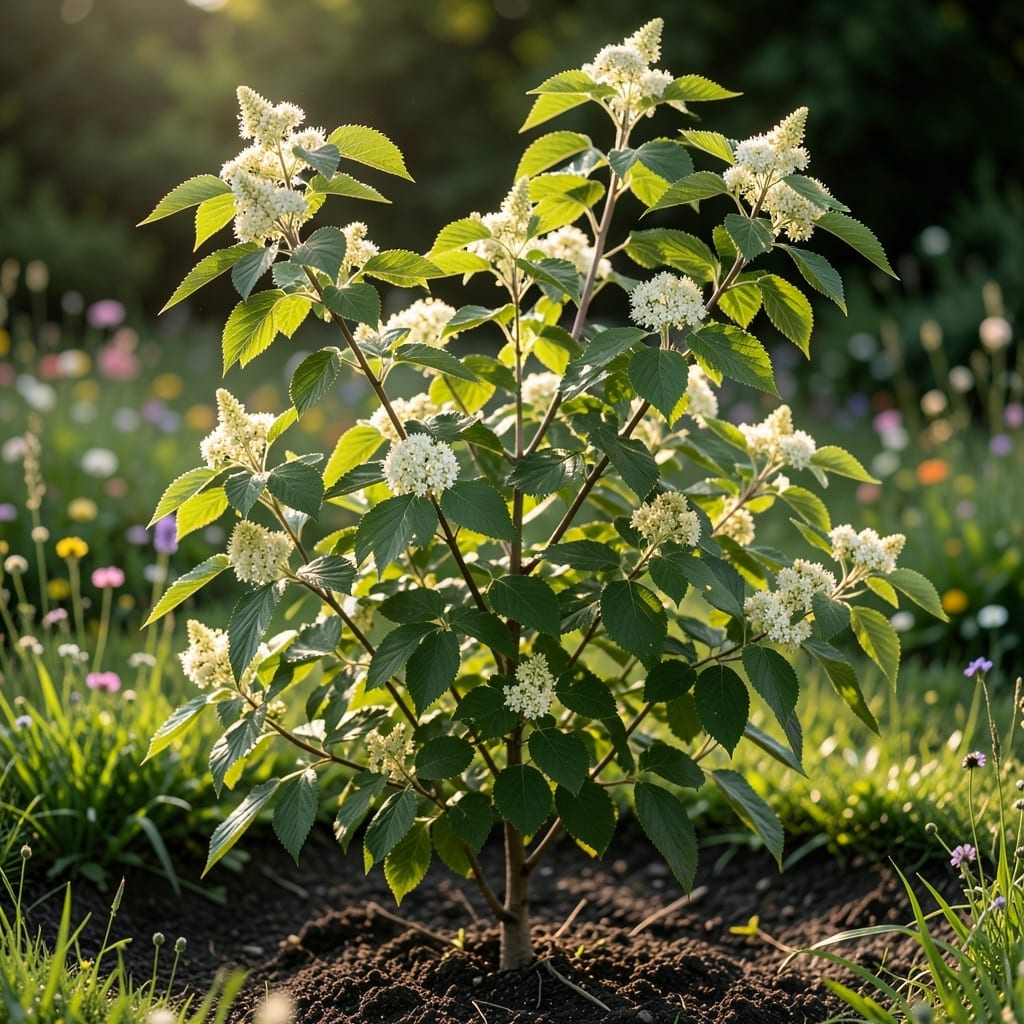
There’s something magical about watching 🌿 Elderberry bushes transform each year, their branches heavy with fragrant white blossoms. But timing these blooms can feel like a mystery if you don’t know what to look for.
I remember the first time I planted elderberries, waiting impatiently for those first flowers to appear. Turns out, the timing depends on more than just the calendar – your climate and care play the key roles.
Whether you’re in zone 4-9 or just starting out, understanding when elderberries bloom helps you prepare for that brief but beautiful window. The flowers don’t last long, so knowing the signs is everything.
Let me walk you through what to expect and how to spot those first buds forming. You’ll be amazed at how much easier it is to enjoy the show when you know what to watch for.
If you’re growing elderberry bushes, you’ll want to mark your calendar for their spectacular blooming season. Most varieties burst into fragrant white flowers in late spring to early summer, but the exact timing depends on your climate zone and the species.
In warmer regions like USDA zones 7-9, elderberries often bloom as early as late April or May. Cooler areas in zones 4-6 typically see flowers in June. The European elderberry tends to bloom slightly earlier than American varieties.
| Species | Bloom Time | USDA Zones |
|---|---|---|
| American Elderberry | June – July | 4-9 |
| European Elderberry | May – June | 4-8 |
| Dwarf Blue Elderberry | June – July | 5-9 |
| Black Elderberry | May – July | 4-7 |
The American elderberry is the most common in North America, blooming from June to July in most regions. These bushes thrive in moist soils and often grow near stream banks or wet areas.
In the Pacific Northwest, elderberries may start blooming in early May due to the mild, wet climate. The Dwarf Blue Elderberry follows a similar schedule but stays more compact, perfect for smaller gardens.
For European elderberry, expect blooms in May to June across zones 4-8. This species is popular for its ornamental value and is often planted in hedgerows or as a specimen plant.
If you’re in zone 4, elderberries typically bloom in late June after the last frost. In zone 9, they might start as early as April due to the longer growing season and warmer temperatures.
Watch for bud formation in early spring as a sign that blooms are coming. These buds will swell and open into creamy-white flower clusters that can be up to 10 inches wide.
Remember, microclimates can affect bloom times too. A south-facing slope might see flowers a week or two earlier than a north-facing garden in the same zone.
For the best results, plant elderberries in a location with full sun to partial shade and consistent moisture. This encourages vigorous growth and abundant blooms each year 🌿
If you’ve ever wondered why your elderberry bushes bloom earlier or later than expected, the answer often lies in spring temperatures and care practices. Warmer springs can accelerate blooming by 1-2 weeks, while cold snaps may delay it.
I’ve seen my own elderberries respond dramatically to pruning timing. Prune too late in spring, and you might cut off flower buds. Aim for late winter instead to encourage robust blooms.
Sunlight exposure plays a huge role too. Elderberries in full sun often bloom earlier than those in partial shade. I noticed my sunniest plants always flower first.
Soil conditions matter just as much. Well-draining but moist soil keeps roots happy, while waterlogged ground can delay flowering or reduce bloom quality.
Don’t underestimate fertilizer impact. A balanced feed in early spring gives plants the nutrient boost they need for timely blooms. I use 10-10-10 every 4-6 weeks during growing season.
Your attention to these details means the difference between sparse blooms and a spectacular floral display. Small adjustments in care can create big changes in timing and quality.
Watch for bud swelling in early spring—this is your first sign that blooms are coming soon 🌿