
Beautiful Plants For Your Interior
Beautiful Plants For Your Interior
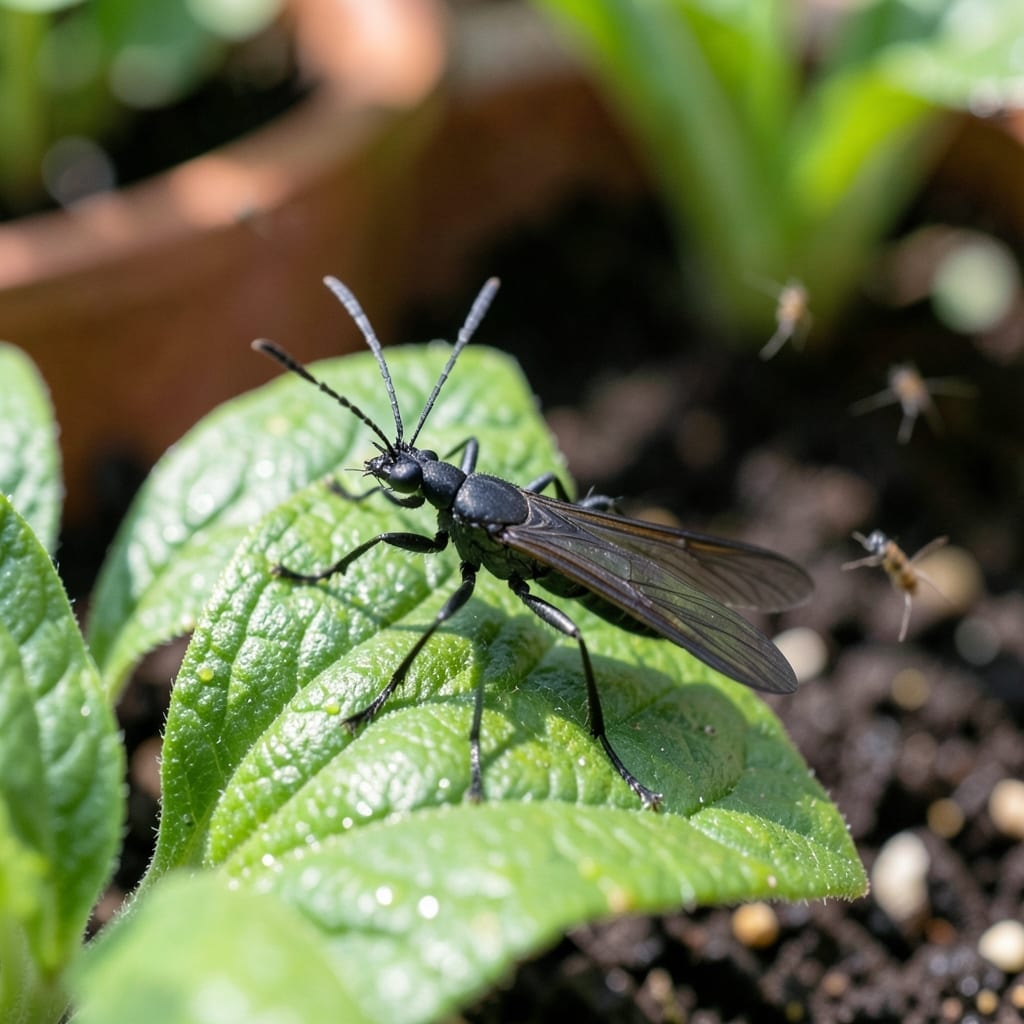
Tiny black flies hovering over your plants are more than annoying. I’ve lost count of how many seedlings I’ve watched wilt from root damage caused by these pests.
Here’s the thing—gnats thrive in damp soil, so the first step is always checking your watering habits. Most people overwater without realizing it, creating the perfect breeding ground.
You can solve this without harsh chemicals. A simple mix of hydrogen peroxide and water, or a layer of cinnamon on the soil, does the trick while keeping roots safe.
Works for houseplants, seed starts, and garden beds. Let’s send those gnats packing for good.
Gnats in houseplants are more than a nuisance—they’re a sign of underlying issues. Understanding the root causes helps you tackle the problem effectively. Here’s why these tiny pests show up in the first place:
Funariid gnats (the most common plant pests) thrive in consistently moist soil. When you water too frequently, the top layer of soil stays damp, providing the perfect environment for gnats to lay eggs. The larvae then feed on organic matter and plant roots, worsening the infestation. Solution: Let the top 1-2 inches of soil dry out between waterings.
Gnats are drawn to rotting leaves, uneaten compost, or decomposing plant debris in the soil. These materials release odors that signal a food source for adult gnats and their larvae. Even a few fallen leaves can start the cycle. Solution: Remove dead foliage and avoid leaving organic waste on the soil surface.
Pots without drainage holes or those filled with dense, compacted soil retain excess water. This stagnant moisture not only suffocates roots but also creates a humid, anaerobic environment where gnat larvae flourish. Solution: Use well-draining soil mixes (e.g., with perlite or sand) and ensure pots have drainage holes.
Sometimes, gnats hitch a ride in low-quality or unsterilized potting soil. Commercial soils may contain eggs or larvae if not properly treated. Solution: Sterilize soil by baking it at 200°F (93°C) for 30 minutes or buy pre-sterilized mixes labeled for indoor plants.
By addressing these triggers, you can disrupt the gnat life cycle and keep your plants healthy. 💡 Pro tip: Yellow sticky traps can help monitor gnat activity while you fix the root causes!
Dealing with gnats in your plants can be frustrating, but these targeted solutions will help you reclaim your greenery without harming your plants. Below are practical fixes for common causes, along with prevention tips to keep those pesky bugs from returning.
Gnats thrive in damp soil. If overwatering is the issue, stop watering immediately and let the top 1-2 inches of soil dry out completely. Check moisture levels with your finger—only water when the soil feels dry. For severe cases, repot the plant in fresh, dry soil to break the gnat life cycle.
Prevention Tip: 💡 Use well-draining soil and pots with drainage holes to avoid waterlogging.
Decaying leaves or uneaten organic matter attract gnats. Remove dead leaves, fallen petals, or fruit scraps from the soil surface and around the plant. A layer of sand or gravel on top of the soil can also deter gnats from laying eggs.
Prevention Tip: 💡 Regularly clean plant saucers and avoid leaving organic fertilizers (like compost tea) sitting on the soil.
For active gnat populations, use yellow sticky traps near the plant to catch adults. A natural spray of 1 part hydrogen peroxide to 4 parts water can kill larvae in the soil—apply it once a week until gnats disappear. Neem oil mixed with water (1 tsp per liter) also works as a repellent and larvicide.
Prevention Tip: ✨ Introduce beneficial nematodes or predatory mites to your soil for long-term gnat control.
Gnats love still, humid air. Increase airflow with a small fan near your plants or open windows regularly. A gentle breeze disrupts their flight and discourages them from settling.
Prevention Tip: 🌡️ Keep indoor humidity below 50% with a dehumidifier if gnats are a recurring issue.
Inspect plants weekly, especially if you notice flying insects. Pay extra attention to moisture-loving plants like ferns and peace lilies.
Yes, a mix of apple cider vinegar and dish soap in a shallow dish traps and kills adult gnats. Place it near affected plants.
Repotting helps if the infestation is severe, but you must also address the root cause. Use fresh soil and clean the pot thoroughly to remove eggs.
Adult gnats don’t damage plants, but their larvae can harm roots by feeding on them. This can stunt growth or even kill young seedlings.