
Beautiful Plants For Your Interior
Beautiful Plants For Your Interior
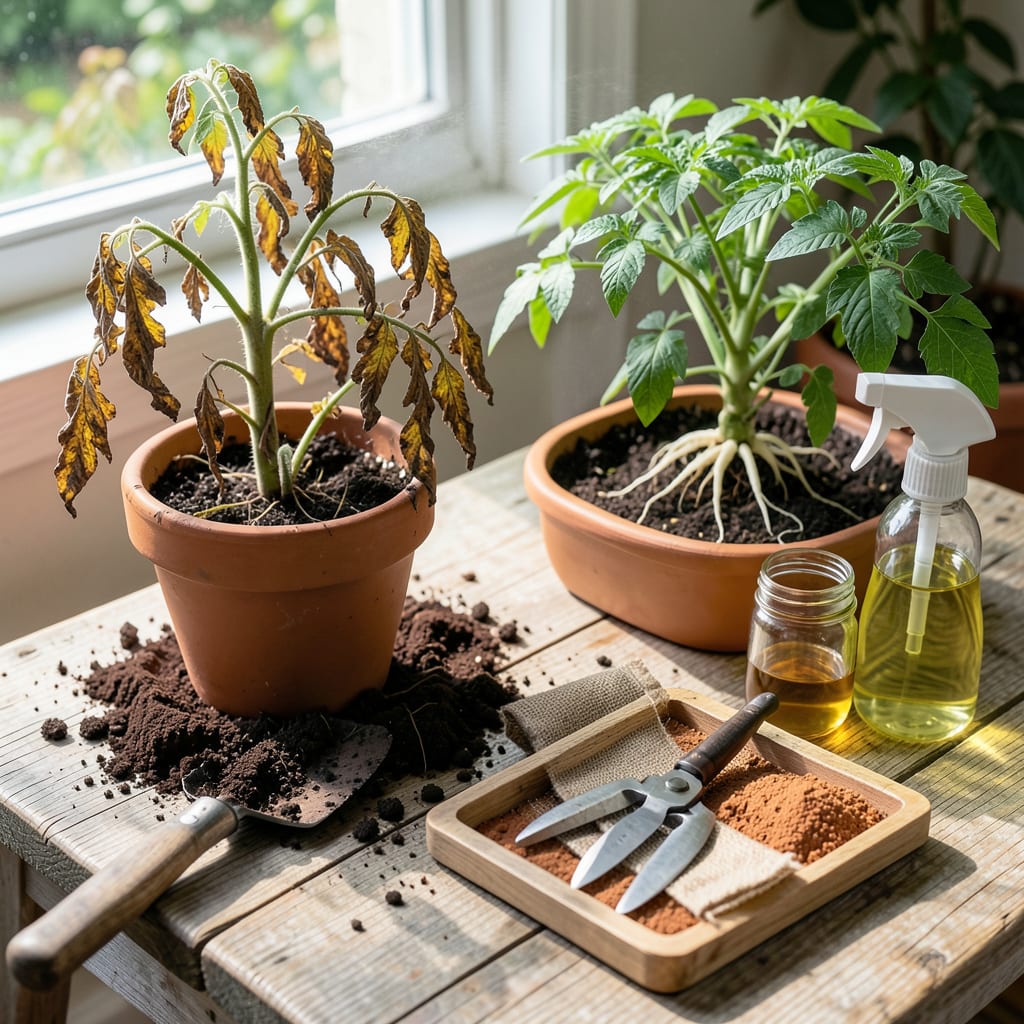
Yellow leaves and stunted growth hit me hard last summer. Root rot sneaks up fast, turning healthy plants into wilted messes overnight.
I learned the hard way that overwatering and poor drainage are the usual suspects. The fix isn’t complicated—just quick action with the right steps to save what’s left.
You’ll see new growth within 2-3 weeks if you catch it early. The key is removing damaged roots and giving the rest a fighting chance.
Works for flowers, shrubs, and veggies alike. Here’s how to bring them back from the brink.
Root rot in outdoor plants typically stems from a few key environmental and cultural factors. Understanding these causes helps prevent future outbreaks and keeps your garden thriving.
Excess moisture is the primary culprit behind root rot. When soil stays waterlogged, oxygen levels drop, creating an anaerobic environment where Phytophthora, Pythium, and other water mold pathogens thrive. These organisms attack roots, causing them to decay. Poor drainage—whether from compacted soil, lack of slope, or containers without holes—exacerbates the problem by trapping water around the roots.
Soil-borne fungi like Fusarium and Rhizoctonia, as well as bacteria such as Erwinia, directly infect roots, especially in warm, wet conditions. These pathogens spread rapidly in contaminated soil or through infected tools, leading to blackened, mushy roots. Plants with wounds or stress (e.g., transplant shock) are particularly vulnerable.
Clay-heavy or compacted soils suffocate roots by restricting airflow and water movement. Without proper aeration, roots weaken and become susceptible to rot. Amending soil with organic matter (e.g., compost) improves structure and reduces this risk.
High temperatures (75–85°F) and humidity accelerate fungal and bacterial growth. In such climates, even well-drained soil can harbor pathogens if watering isn’t carefully managed. Mulching helps regulate soil temperature but can also retain too much moisture if overdone.
Actionable takeaway: Addressing drainage, soil health, and watering habits tackles most root rot triggers at the source.
Root rot doesn’t have to be a death sentence for your outdoor plants. With quick action and the right approach, you can nurse them back to health. Below are targeted solutions for common causes, along with prevention tips to keep your garden thriving.
If soggy soil is the culprit, stop watering immediately and let the soil dry out. Check moisture by sticking your finger 2 inches into the soil—if it’s damp, hold off. Water only when the top 1-2 inches are dry. For potted plants, ensure containers have drainage holes and use a well-draining potting mix.
Prevention tip: 💡 Use a moisture meter or water in the early morning to allow excess moisture to evaporate during the day.
Compacted or clay-heavy soil traps water around roots. Loosen the soil around the plant with a garden fork to improve aeration. For severe cases, amend the soil with compost, perlite, or sand to boost drainage. Raised beds can also help prevent waterlogging in low-lying areas.
Prevention tip: 🎯 Mix organic matter into the soil annually to maintain good structure.
For fungal root rot, remove affected roots (they’ll be dark and mushy) with sterilized pruners. Treat the remaining roots and soil with a copper-based fungicide or a natural option like neem oil. Repot or replant in fresh, sterile soil to prevent reinfection.
Prevention tip: ✨ Rotate crops annually and avoid overcrowding plants to reduce fungal spread.
If roots are circling or tightly packed, the plant is root-bound. Gently loosen the roots and repot into a larger container or transplant into the ground. For in-ground plants, prune the roots lightly to encourage new, healthy growth.
Prevention tip: 🌡️ Check roots every 1-2 years and repot as needed to prevent binding.
Yes, but only if healthy roots remain. Remove all black, mushy roots and repot in fresh, sterile soil. Recovery takes 3-6 weeks with proper care.
Root rot causes yellow, wilting leaves that don’t perk up after watering. Underwatered plants have dry, crispy leaves. Check roots—rotten ones are dark and soft.
Stop watering and move potted plants to a sunny, breezy spot. Loosen the top 2-3 inches of soil to speed drying. For in-ground plants, improve drainage with compost.
A 3% hydrogen peroxide solution can help kill fungus and oxygenate roots. Mix 1 part peroxide with 4 parts water and soak roots for 10 minutes.
