
Beautiful Plants For Your Interior
Beautiful Plants For Your Interior
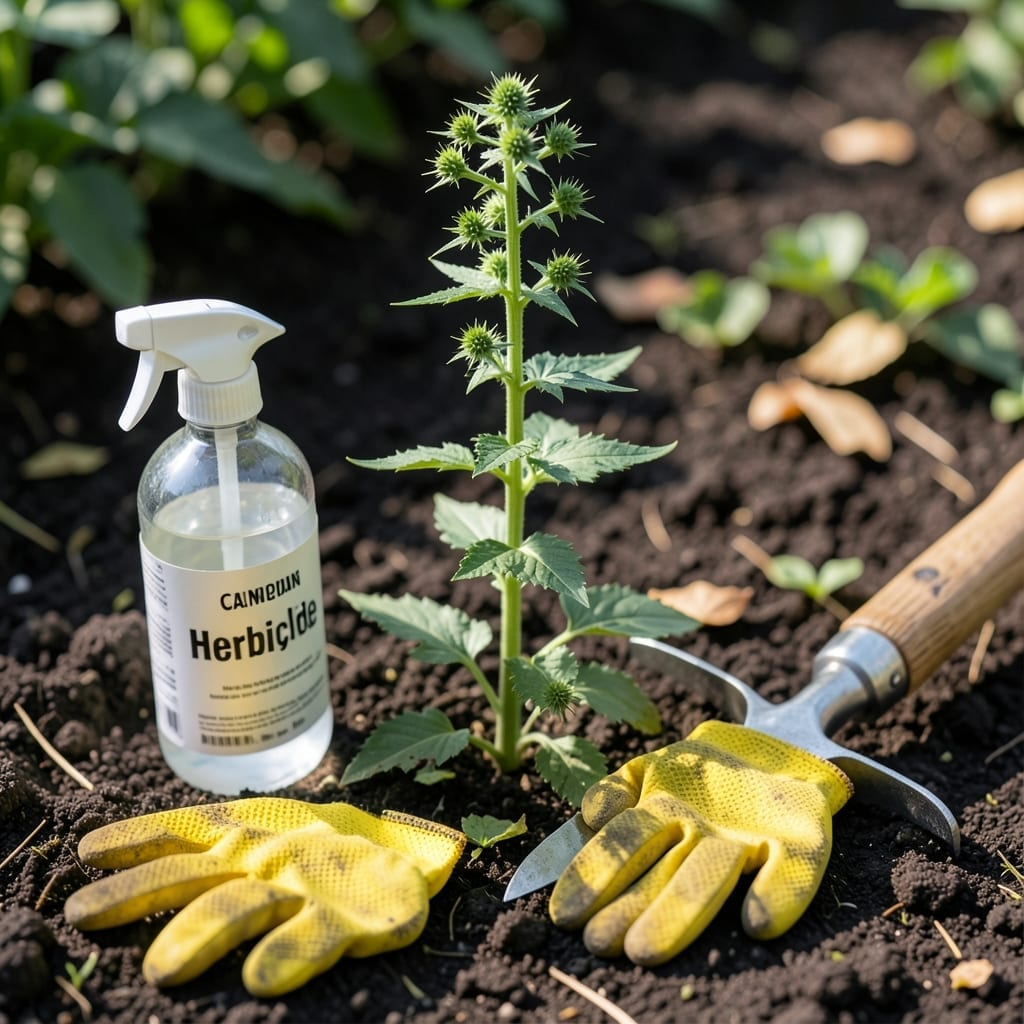
Chamberbitter is the garden nuisance that keeps coming back. I’ve battled this stubborn weed in my own beds, and I know the frustration when it sprouts between your prized plants.
The good news is this invader can be stopped. A consistent approach with the right methods at the right time makes all the difference. You’ll need to target both the plants and their seeds to break the cycle.
Organic options like mulching and hand-pulling work surprisingly well if you stay on top of it. For tougher cases, selective herbicides can provide the knockout punch your garden needs.
Prevention is your best defense. A thick layer of mulch and vigilant monitoring will keep your garden looking its best without the constant battle.
Chamberbitter (Phyllanthus urinaria) is a tough weed, but it does have weaknesses. Understanding why it dies helps you target those vulnerabilities effectively. Below are the key causes, backed by science and practical experience.
Chamberbitter thrives in warm, humid climates, but prolonged extreme heat (above 100°F/38°C) or severe drought can weaken and kill it. The weed’s shallow root system struggles to access water in parched soil, leading to desiccation. In regions with intense summer heat, consistent sunlight exposure without adequate moisture can be lethal.
Frequent tilling or deep hoeing disrupts chamberbitter’s root network and exposes its seeds to unfavorable conditions. This weed relies on undisturbed soil to establish itself, so mechanical disruption—especially before seed germination—can significantly reduce its population. Gardeners often see die-off after turning the soil in early spring or fall.
Chamberbitter is susceptible to pre-emergent and post-emergent herbicides containing active ingredients like glyphosate, atrazine, or pendimethalin. These chemicals interfere with its growth processes: glyphosate inhibits protein synthesis, while pre-emergents prevent seed germination. Proper application timing (early in the growing season) is critical for maximum effectiveness.
This weed struggles in thickly planted gardens or lawns where desirable plants outcompete it for light, water, and nutrients. Chamberbitter’s weak stems can’t penetrate dense canopies, leading to stunted growth and eventual death. Overseeding lawns or using mulch layers (2–3 inches deep) are natural ways to smother it.
Chamberbitter can be stubborn, but targeted solutions will help you reclaim your garden. Below are practical fixes for common causes, along with prevention tips to keep this invasive weed from returning.
If chamberbitter is just starting to spread, hand-pulling is effective—especially after rain when the soil is soft. Grasp the base of the plant near the roots and pull upward gently but firmly to avoid breaking the stem. Prevention tip: 💡 Check your garden weekly and remove new growth immediately to prevent seeding.
For widespread infestations, pre-emergent herbicides like trifluralin or glyphosate can stop chamberbitter before it sprouts. Apply in early spring before seeds germinate. For existing plants, use a post-emergent herbicide labeled for broadleaf weeds. Prevention tip: 🎯 Reapply pre-emergent treatments as directed to break the weed’s life cycle.
Prefer organic methods? Boiling water poured directly on the weed can kill it, but be cautious near desirable plants. Mulching with wood chips or straw (2–3 inches thick) blocks sunlight and suppresses growth. Prevention tip: ✨ Refresh mulch annually to maintain its effectiveness.
Encourage a thick, healthy lawn or garden bed to outcompete chamberbitter. Mow high (3–4 inches for grass) to shade the soil, and overseed bare spots. Prevention tip: 🌡️ Aerate and fertilize regularly to strengthen your plants’ resistance.
Consistency is key—combine these methods for the best results!
Yes, household vinegar with 5% acetic acid can kill young plants. Apply directly to leaves on sunny days for best results. For tougher weeds, use horticultural vinegar with 20-30% acidity.
Inspect your garden weekly during growing season. Chamberbitter germinates quickly, so early detection prevents seeding. Focus on garden edges and disturbed soil areas.
Apply 20 lbs per 1,000 sq ft in early spring before seeds germinate. This natural pre-emergent won’t harm existing plants and breaks down into organic matter.
Each plant produces thousands of seeds that can lie dormant for years. You must remove plants before they seed and maintain consistent control methods.