
Beautiful Plants For Your Interior
Beautiful Plants For Your Interior
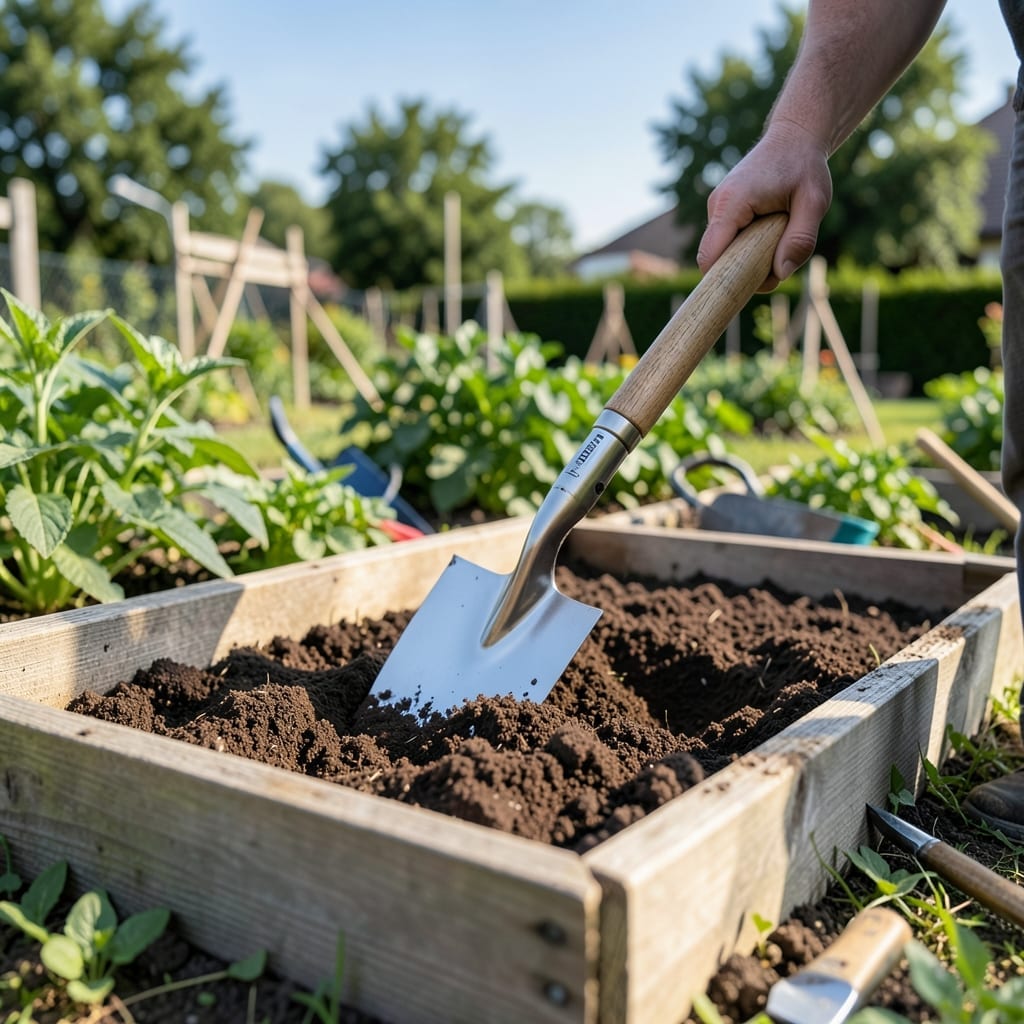
Tilling is a gardening process that breaks up and aerates soil using tools or machines, improving drainage and root penetration while mixing in organic matter.
I’ve found tilling works wonders for compacted ground, especially in backyard gardens where foot traffic compresses soil over time. This method creates pathways for water and air to reach deeper layers, which is crucial for healthy root development. What’s more, it helps distribute nutrients evenly so plants get consistent access to what they need. 🌟
💡 In This Article
The process creates tiny air pockets that allow oxygen to reach 6-12 inches deeper into the earth. This aerobic environment fuels beneficial microorganisms that break down organic matter into plant-available nutrients. Without tilling, soil compaction can reduce oxygen levels by up to 50%, suffocating these microscopic helpers. 🔥
Breaking up dense soil also improves water infiltration by 30-40%. In untilled ground, water can pool on the surface and evaporate, while tilled soil absorbs moisture like a sponge. This means roots can access water more consistently, reducing the need for frequent watering. The improved drainage also prevents waterlogging, which can rot plant roots.
What most gardeners notice immediately is how plant roots spread more easily through the loosened soil. Carrots, for instance, grow straighter and longer in tilled beds because they face less resistance. The same applies to the fine feeder roots of tomatoes and peppers, which can explore a 3x larger volume of soil for nutrients.
Tilling also creates the perfect opportunity to mix in amendments. A 2-3 inch layer of compost worked into the top 6 inches of soil can increase organic matter content from 1% to 5% in a single season. This organic matter acts like a slow-release fertilizer while improving soil structure. ✨
The timing matters too. Early spring tilling warms the soil faster by exposing it to sunlight, which can give you a 2-3 week head start on planting. However, tilling when soil is too wet can create clumps that harden into concrete-like masses, so always check moisture levels first.
For most vegetables, till to a depth of 8-12 inches. This allows roots to penetrate deeply while avoiding subsoil that may contain weed seeds. Shallower tilling of 4-6 inches works well for raised beds or established gardens.
Till in early spring 2-3 weeks before planting to let soil settle. Fall tilling after harvest helps expose pest eggs to winter cold. Always avoid tilling wet soil, as it creates hard clumps.
Over-tilling can break down soil structure and bring up dormant weed seeds. Stick to 1-2 times per year and use minimal depth for established beds. Avoid tilling when soil is too wet or dry.
Hand tools work well for small gardens and tight spaces, while motorized tillers save time for large areas. Rear-tine models handle heavy clay better than front-tine ones. Always match the tool to your soil type.