
Beautiful Plants For Your Interior
Beautiful Plants For Your Interior
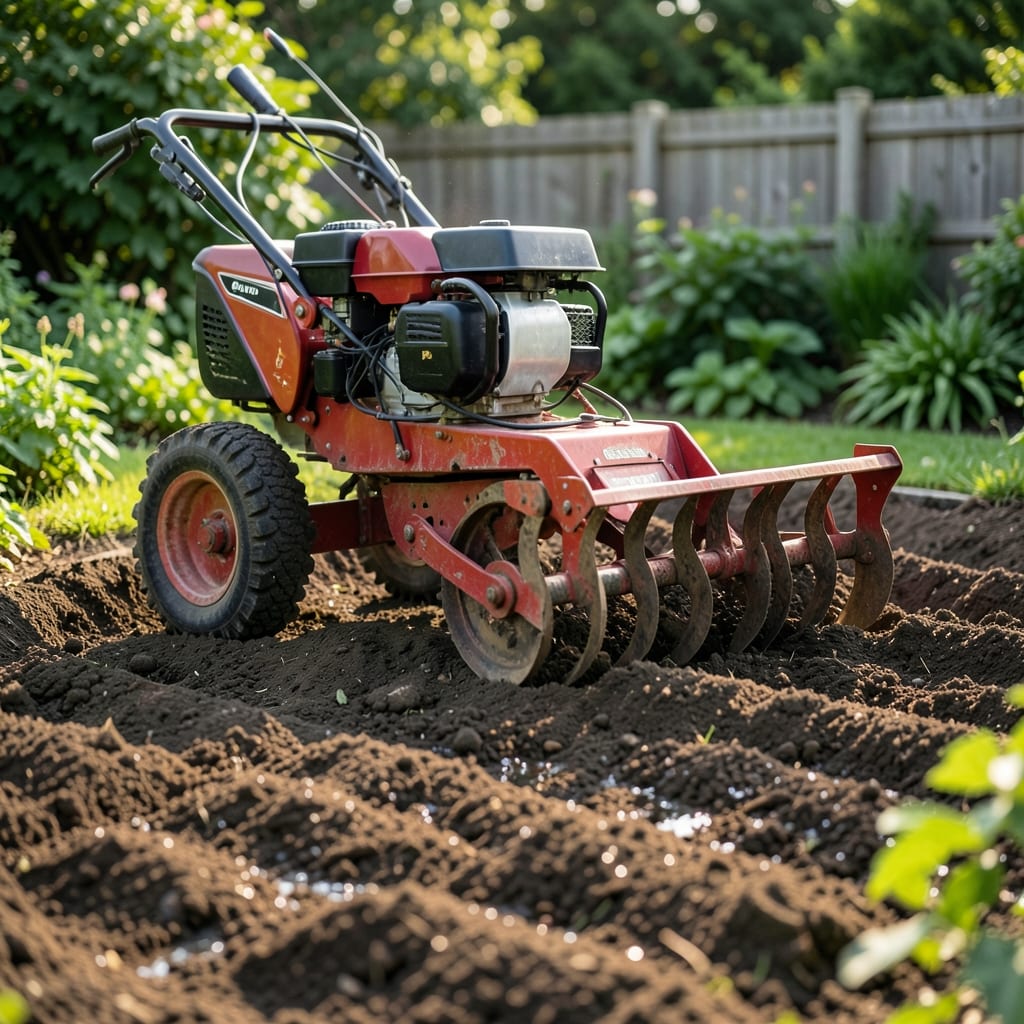
A rototiller is primarily used to break up and aerate soil, making it ideal for preparing garden beds, mixing in compost, and controlling weeds before planting.
I’ve found that gardeners love this tool because it transforms hard, compacted earth into loose, workable soil in minutes. Breaking up clay or rocky patches becomes effortless, and the aeration boosts root growth by letting oxygen and water penetrate deeply. It’s also a game-changer for mixing organic matter evenly throughout the bed. ✨
💡 In This Article
The spinning tines of a rototiller slice through the soil at 150-250 RPM, breaking up hardpan and clay clumps into fine particles. This mechanical action creates air pockets that allow oxygen to reach 6-12 inches deep, where plant roots thrive. Without this, compacted soil suffocates roots and stunts growth. 🔥
Proper aeration also improves water infiltration. In untilled ground, water can pool on the surface or run off. After tilling, the loosened soil acts like a sponge, absorbing 30-50% more moisture and distributing it evenly through the root zone. This prevents both drought stress and waterlogged conditions.
What most gardeners notice immediately is the difference in texture. Hard, rock-like dirt transforms into a crumbly, loamy consistency perfect for seed germination. The tiller’s action also brings up subsoil, mixing it with topsoil to create a more uniform growing medium throughout the bed.
For vegetable gardens, this process is especially critical. Carrots, potatoes, and other root crops need that loose, obstacle-free soil to develop properly. Without tilling, they’ll grow stunted or forked as they hit compacted layers. I’ve seen yields double after proper soil preparation with a rototiller. ✨
The timing matters too. Tilling when soil is too wet creates clumps, while too dry makes the work harder on the machine. The ideal moisture level is when soil sticks together when squeezed but crumbles when touched—like a damp sponge.
Early spring or fall works best. The soil should be dry enough to crumble but moist enough to till easily. Avoid wet conditions—it creates clumps that hurt your garden.
Yes, but go slow. Use multiple shallow passes instead of forcing deep tilling at once. This prevents strain on the machine and gives better results.
For new beds, aim for 8-10 inches deep. For established gardens, 4-6 inches is enough to refresh the top layer without disrupting deeper soil.
Keep at least 6 inches away from plant stems to avoid damaging roots. Mark your garden layout with stakes to guide your passes.