
Beautiful Plants For Your Interior
Beautiful Plants For Your Interior
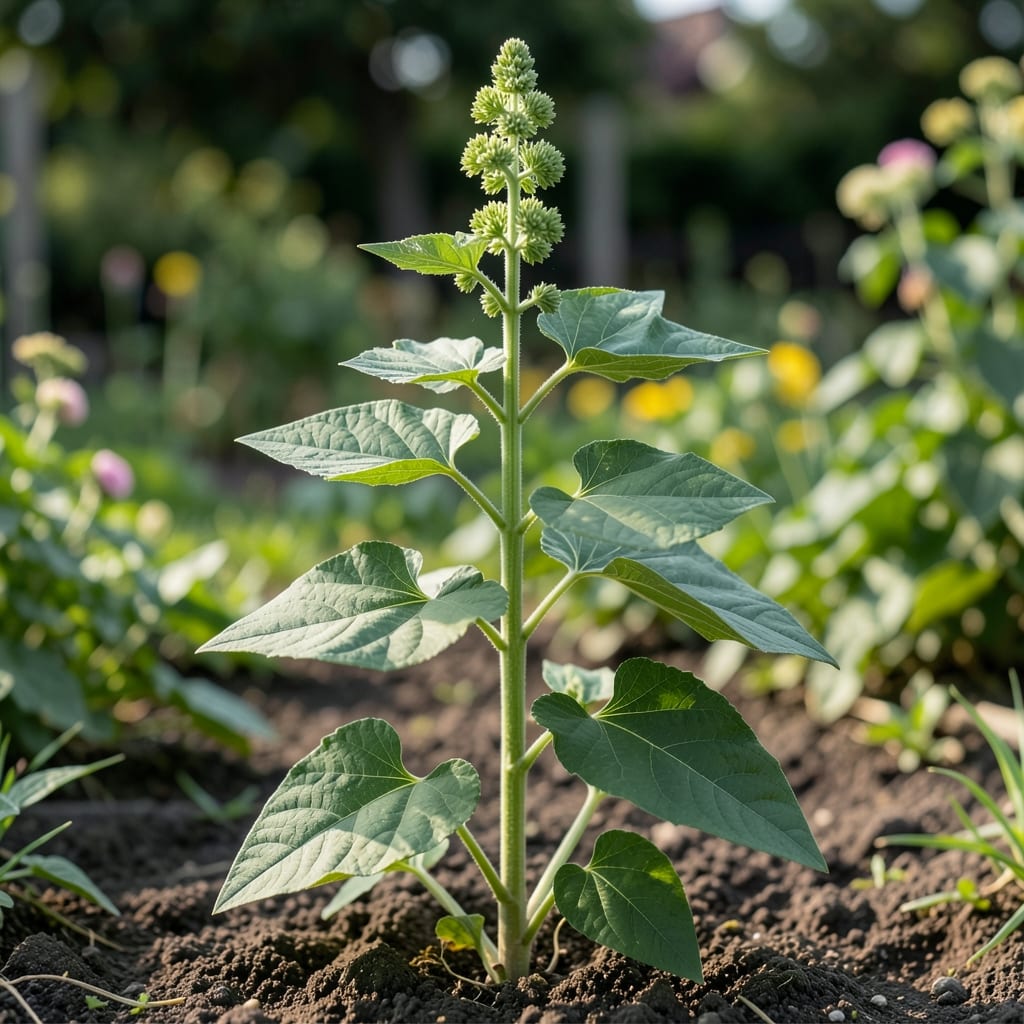
Pigweed is a fast-growing annual weed with broad leaves, often found in gardens and farms. It competes aggressively with crops for nutrients, water, and sunlight.
I’ve watched this plant spread rapidly in untreated soil, often reaching 3-6 feet tall in a single season. Its ability to produce thousands of seeds means a small patch can explode into a full infestation if left unchecked. Gardeners often underestimate its resilience, which is why early identification and removal are critical for maintaining healthy crops. 🌱
💡 In This Article
Pigweed’s most distinctive feature is its diamond-shaped or oval leaves with slightly notched tips, growing 2-4 inches long and 1-2 inches wide. The stems often display a reddish-purple stripe, especially in mature plants. 🌿
This weed can reach heights of 3-6 feet under optimal conditions, with some varieties growing even taller. The leaves are arranged alternately along the stem, creating a dense, bushy appearance that can quickly shade out smaller plants.
You’ll typically find pigweed thriving in sunny areas with disturbed soil, particularly in vegetable gardens, corn fields, and along fence rows. Its seeds germinate when soil temperatures reach about 60°F, making it one of the first weeds to appear in spring. ✨
The plant produces small, greenish flowers in dense clusters at the stem tips and leaf axils. These flowers develop into small, black seeds that can remain viable in the soil for decades, waiting for the right conditions to sprout.
What sets pigweed apart from similar-looking plants is its rapid growth rate—it can grow from seed to flowering plant in just 6-8 weeks. This aggressive growth habit allows it to outcompete many garden plants for essential resources. 🔥
No, pigweed is not toxic to humans. In fact, some varieties are edible and consumed as leafy greens in various cuisines. However, always properly identify the plant and cook it thoroughly.
Apply a 2-3 inch layer of organic mulch to block sunlight from reaching seeds. Regularly remove young plants before they flower and set seed. Also, avoid tilling infested areas, as this can spread seeds.
Early morning is ideal when plants are most turgid. Pull or hoe pigweed then to ensure you remove the entire root system. Work when soil is dry to prevent regrowth from root fragments.
Only if the plants haven’t gone to seed. Mature pigweed with seeds should be bagged and disposed of in the trash to prevent spreading. Young, seed-free plants can be safely composted.