
Beautiful Plants For Your Interior
Beautiful Plants For Your Interior
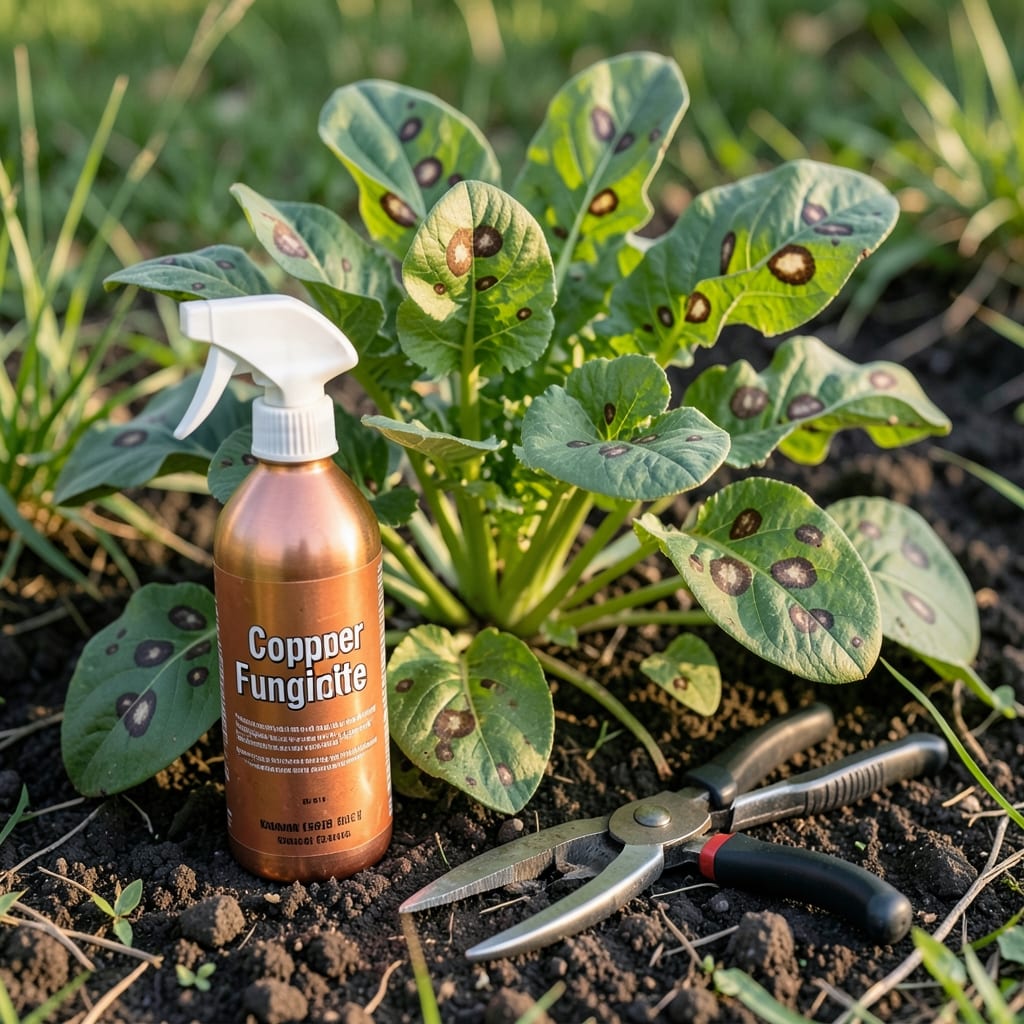
Those brown spots with tan centers on your leaves aren’t sunburn—they’re cercospora. I first noticed it on my beets three seasons ago, and ignoring it cost me half the harvest.
The fungus spreads fast in warm, wet weather, leaving plants weak and stunted. But here’s the thing—it’s 100% treatable with the right approach, and organic methods work just as well as chemicals if you act early.
We’ve tested copper sprays, neem oil, and even homemade baking soda mixes. The key is consistency: remove infected leaves first, then apply treatments every 7-10 days until the plant recovers.
Works for beets, carrots, spinach, and ornamental plants too. Let’s save those leaves.
Understanding why Cercospora leaf spot develops is key to preventing and treating it effectively. This fungal disease thrives under specific environmental and cultural conditions, often exploiting weaknesses in plant health or garden practices. Below are the primary causes, broken down for clarity and actionability.
The Cercospora fungus prospers in wet, humid environments. Overhead irrigation, prolonged rain, or poor drainage creates the perfect breeding ground. When leaves remain wet for extended periods (especially 6+ hours), fungal spores germinate and infect the foliage. Stagnant air—common in dense plantings or unpruned canopies—further traps moisture, accelerating spore spread.
Cercospora species are heat-loving pathogens, with optimal infection occurring at 75–85°F (24–29°C). These temperatures speed up spore production and shorten the disease cycle. In regions with hot, humid summers, outbreaks are more frequent and severe. Even brief heatwaves can trigger flare-ups if moisture is present.
Weak or stressed plants are more susceptible to Cercospora infection. Nitrogen deficiency or imbalanced soil fertility can thin leaf cuticles, making them easier to penetrate. Similarly, drought stress, compacted soil, or root damage from mechanical injury (e.g., lawnmowers) reduce a plant’s natural defenses. Over- or under-fertilization disrupts cellular health, leaving foliage vulnerable.
The fungus overwinters in infected plant debris, soil, or even on gardening tools. Using pruners or mowers that haven’t been disinfected can spread spores to healthy plants. Fallen leaves left uncollected serve as a reservoir for the pathogen, ensuring its survival between growing seasons. Even wind or splashing water can transport spores from these sources.
Tackling Cercospora leaf spot starts with quick action and consistent care. Below are practical fixes for the most common causes, paired with prevention tips to keep your plants thriving. 🌿✨
Wet foliage is a breeding ground for fungal spores. Stop overhead watering immediately and switch to a drip irrigation system or water at the base of the plant. This keeps leaves dry and reduces spore spread. Prevention tip: Water early in the morning so any accidental leaf moisture dries quickly in the sun. 💡
Crowded plants trap humidity, encouraging fungal growth. Thin out dense foliage and space plants properly to improve airflow. For shrubs or trees, prune inner branches to open the canopy. Prevention tip: Avoid planting susceptible species too closely together. ✨
Fallen leaves or plant debris harbor spores. Rake and remove all infected material from the soil surface and surrounding areas. Do not compost it—burn or bag it to prevent reinfection. Prevention tip: Sanitize pruning tools with rubbing alcohol between cuts. 🌡️
For active infections, use organic fungicides like copper-based sprays or neem oil. Apply in the early stages of the disease and reapply after rain. Prevention tip: Spray preventatively in humid seasons or if your area has a history of Cercospora. 🎯
Weak plants are more vulnerable. Amend soil with compost to improve drainage and nutrient content. Healthy soil fosters resilient plants that resist disease. Prevention tip: Avoid over-fertilizing with nitrogen, which can promote lush, disease-susceptible growth. 💪
Apply organic fungicides every 7-10 days during active infection or humid weather. Reapply after rain to maintain protection. Consistency is key for full recovery.
No, never compost infected leaves. burning or bagging them prevents spores from spreading. Even a few infected leaves can reinfect your entire garden next season.
Remove all spotted leaves immediately and switch to drip irrigation. This eliminates existing spores and prevents new ones from forming on wet foliage.
Yes, the fungus overwinters in plant debris and soil. Thorough cleanup and preventative spraying next season can break the cycle.