
Beautiful Plants For Your Interior
Beautiful Plants For Your Interior
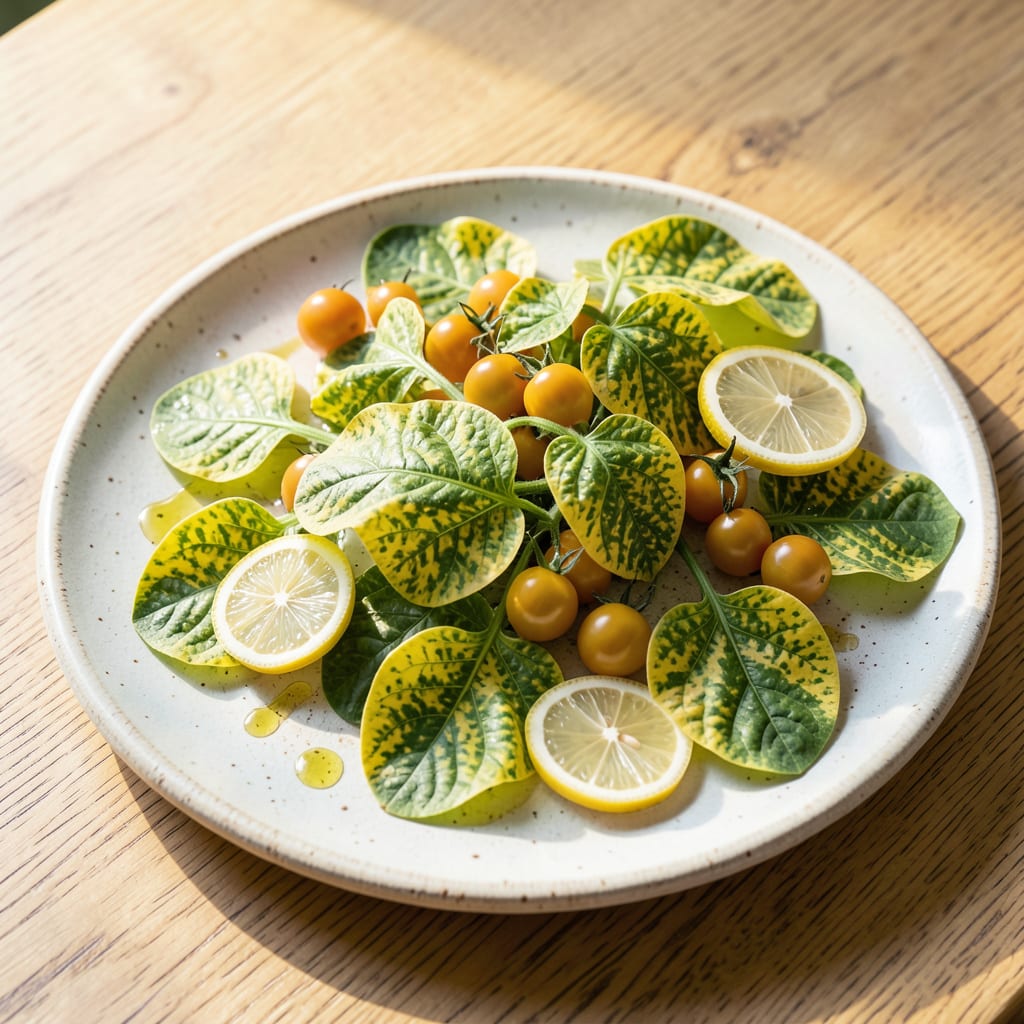
Yellow spots on tomato leaves are your plant’s way of waving a white flag. I’ve seen this exact pattern in my garden after a wet spring, and it always means the same thing: trouble brewing.
Most often it’s early blight or septoria, but I’ve also found spider mites causing similar damage during dry spells. The good news? Catching it early means you can still turn things around before it spreads.
With the right approach, you’ll see new growth coming in clean and green within 2-3 weeks. The key is identifying the culprit fast and acting before the entire plant suffers.
Works for container tomatoes, garden beds, and even greenhouse plants. Let’s get those leaves healthy again.
Yellow spots on tomato leaves are often a sign of underlying issues that disrupt the plant’s health. Below are the most frequent causes, explained with actionable insights.
Fungi like Septoria lycopersici or Alternaria solani thrive in wet, humid conditions, leading to circular yellow or brown spots. These pathogens spread via water splashes, so improve airflow and avoid overhead watering.
Sap-sucking pests (e.g., aphids, whiteflies) weaken leaves, causing yellow stippling. Check leaf undersides for eggs or insects. Neem oil or insecticidal soap can curb infestations early.
Magnesium or potassium shortages often manifest as interveinal yellowing. Test soil pH (ideal: 6.0–6.8) and amend with Epsom salt (magnesium) or compost.
Overwatering, drought, or excessive sun can scorch leaves. Ensure consistent moisture (1–2 inches/week) and mulch to retain soil humidity.
Viruses like Tomato Yellow Leaf Curl (TYLCV) cause mottled yellow patches. Remove infected plants immediately to prevent spread via whiteflies.
If your tomato plants are showing yellow spots, act fast with these targeted fixes. Each cause has a clear solution—plus prevention tips to keep your garden thriving.
Fix: Remove infected leaves immediately to stop the spread. Apply a copper-based fungicide or baking soda spray (1 tsp baking soda + 1 quart water + a drop of dish soap) every 7–10 days. For bacterial issues, use streptomycin or a commercial bactericide.
Prevent: 💡 Improve airflow between plants, water at the base (not overhead), and rotate crops yearly. Mulch with straw to reduce soil splash.
Fix: Blast aphids, whiteflies, or spider mites off with water, then apply neem oil or insecticidal soap. For stubborn pests, introduce beneficial insects like ladybugs.
Prevent: 🎯 Inspect plants weekly, especially leaf undersides. Use row covers for young plants and avoid over-fertilizing (it attracts pests).
Fix: Test soil pH (ideal: 6.0–6.8). Add compost or a balanced fertilizer (10-10-10) for general deficiencies. For magnesium (yellowing between veins), use Epsom salt (1 tbsp/gallon of water).
Prevent: ✨ Amend soil with organic matter before planting. Use slow-release fertilizers and monitor leaf color for early signs.
Fix: Adjust watering—1–2 inches per week, deeper and less frequent. Shield plants from extreme heat with shade cloth. If sunburn is the issue, relocate potted tomatoes or add temporary shade.
Prevent: 🌡️ Water in the early morning to reduce evaporation. Use drip irrigation to keep foliage dry and maintain consistent moisture.
Pro tip: Always sterilize pruning tools between cuts to avoid spreading disease!
Yes! Overwatering creates perfect conditions for fungal growth. Stick to 1-2 inches per week and water at the base to keep leaves dry.
With proper care, you’ll see new healthy growth in 2-3 weeks. Existing spots won’t disappear, but new leaves should be spot-free.
Yes, as long as the fruit itself looks healthy. Wash thoroughly before eating. Remove severely infected plants to protect others.
Some causes like fungal spores can spread. Isolate affected plants, avoid touching others when wet, and clean tools between uses.
