
Beautiful Plants For Your Interior
Beautiful Plants For Your Interior
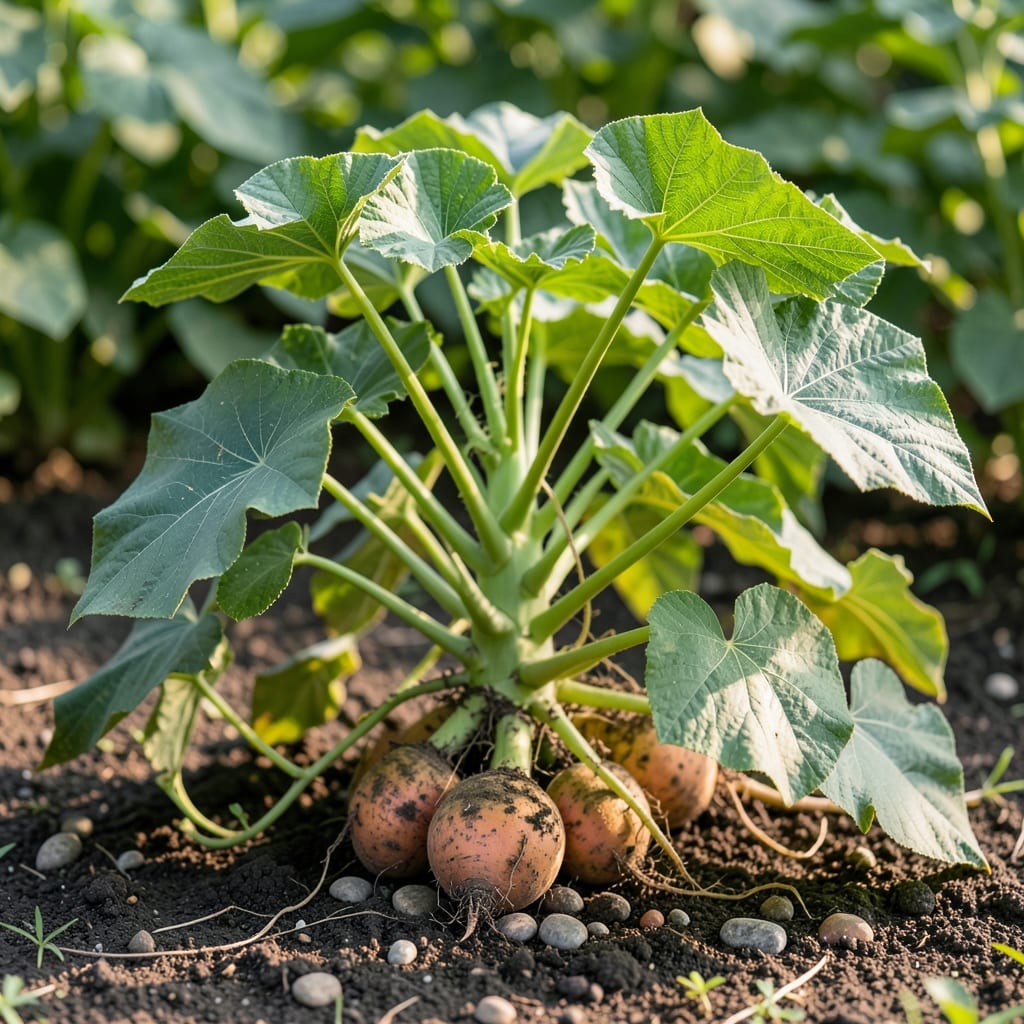
Kumara is a sweet potato variety native to New Zealand, featuring a red or gold skin with orange or yellow flesh. It has a sweet, earthy flavor and is rich in vitamins A and C.
I love how kumara brings a unique taste to dishes with its natural sweetness and nutty undertones. 🔥 It thrives in warm climates and holds deep cultural roots as a traditional Māori crop. This versatile tuber works beautifully in both savory and sweet recipes, offering a nutritional boost with its high fiber and antioxidant content.
💡 In This Article
Kumara arrived in New Zealand with Polynesian voyagers around 1280 AD, making it one of the oldest cultivated crops in the region. These early settlers brought the tuber from tropical Polynesia, where it had been domesticated for centuries.
The Māori adapted kumara cultivation to New Zealand’s cooler climate, developing unique varieties perfectly suited to the local growing conditions. 🔥
The Māori considered kumara a sacred taonga (treasure), with its cultivation tied to spiritual rituals. Traditional planting methods involved creating mounds of soil mixed with sand to improve drainage, a technique still used today. Each tribe developed its own varieties, with names reflecting their significance in Māori culture and history.
What makes New Zealand kumara special is its adaptation to the country’s unique environment. The cooler temperatures and shorter growing season resulted in tubers with a distinct sweeter flavor compared to tropical sweet potatoes.
This adaptation process took centuries, with Māori gardeners carefully selecting and saving the best specimens each year to plant the next season. ✨
The tuber became a dietary staple, providing essential carbohydrates and nutrients during harsh winters. Its importance extended beyond food—kumara played a role in trade between tribes and was often given as gifts to honor visitors.
The arrival of European settlers in the 1800s introduced new varieties, but traditional Māori kumara remains highly prized for its authentic flavor and cultural significance.
Today, New Zealand grows about 20,000 tonnes of kumara annually, with the Northland region producing nearly 80% of the commercial crop. The most popular varieties include the red-skinned Owairaka and the gold-skinned Beauregard, each with its own unique texture and sweetness level. 💫
Not quite. While both are sweet potatoes, kumara has a distinct sweeter, nuttier flavor and creamier texture. It also tends to have red or gold skin with vibrant orange or yellow flesh.
From planting slips to harvest, kumara typically needs 90-120 days in warm conditions. The vines spread quickly, so give them plenty of space to thrive.
It’s not recommended. Raw kumara can be hard to digest and may contain enzyme inhibitors. Cooking brings out its natural sweetness and makes the nutrients more accessible.
Keep it in a cool, dry, dark place like a pantry. Avoid refrigeration, as the cold can turn the flesh hard and change its flavor. Properly stored, it can last 2-3 weeks.