
Beautiful Plants For Your Interior
Beautiful Plants For Your Interior
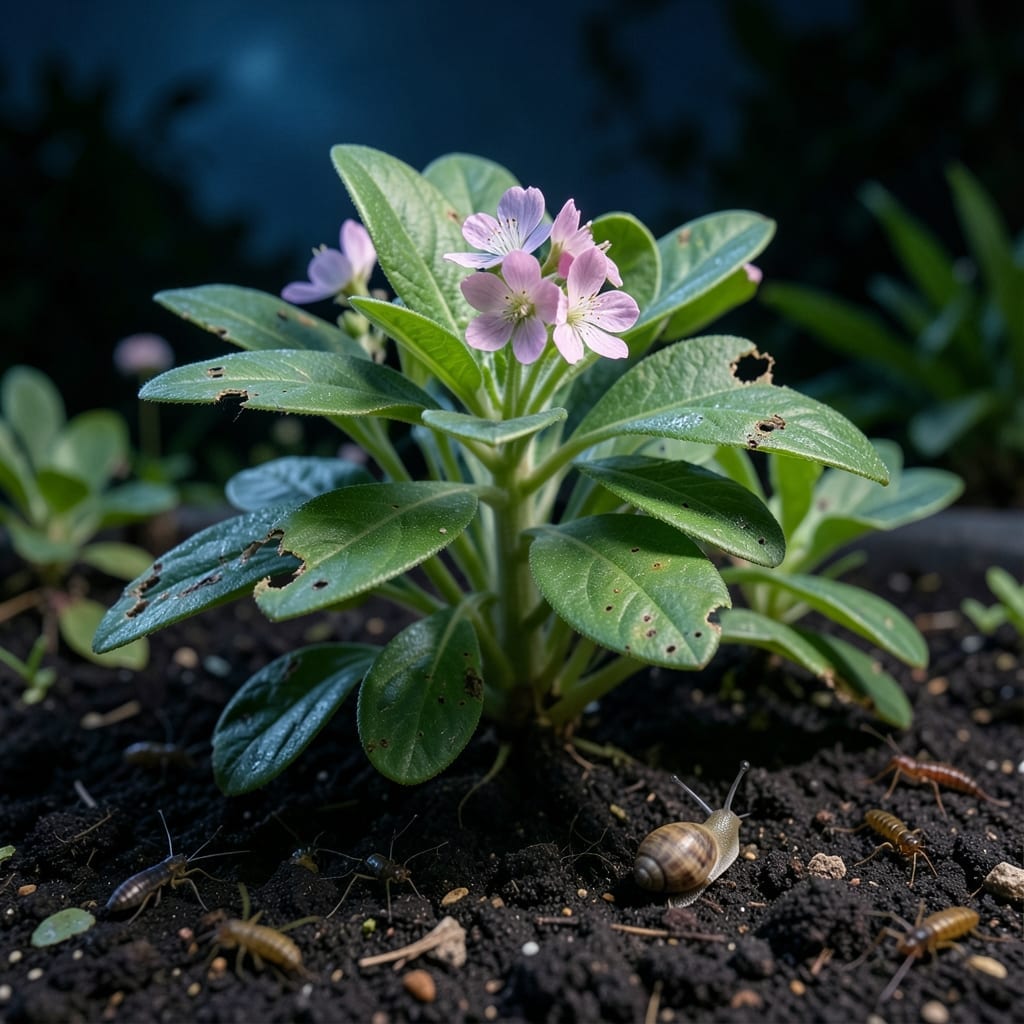
Waking up to chewed petals and missing blooms is frustrating. I’ve been there—my peonies were decimated overnight last spring.
Slugs, snails, and earwigs are the usual suspects. They come out after dark when the garden’s quiet and damp, leaving telltale slime trails or jagged leaf edges. One night of damage can set back weeks of growth.
Here’s the thing—you don’t need harsh chemicals. Simple barriers like copper tape or crushed eggshells work wonders. A shallow dish of beer left out at dusk will trap slugs and snails by morning.
With the right approach, you’ll protect your flowers and wake up to intact blooms. No more nighttime raids.
Your garden isn’t just a daytime buffet—many pests prefer the cover of darkness to feast on your blooms. Here’s why it’s happening, broken down by the most likely culprits and their motivations.
Moths, slugs, and earwigs are prime suspects. Moths (like the Hemeroplanes species) are drawn to sweet nectar and soft petals, while slugs and snails target tender leaves and stems, leaving silvery slime trails. These pests thrive in damp, cool nighttime conditions, which help them retain moisture while feeding. Earwigs, though often misunderstood, may nibble petals but prefer decaying plant matter—so over-fertilized or mulched beds can attract them.
Rabbits, deer, and even raccoons are opportunistic night feeders. Rabbits clip flowers cleanly at the base (a telltale sign), while deer leave jagged edges on larger plants. Raccoons might dig up bulbs or uproot plants while searching for grubs. These animals are driven by hunger and the reduced risk of predators under darkness. Urban gardens near wooded areas or open fields are especially vulnerable.
Cutworms, grubs, and millipedes emerge at night to munch on roots and stems at soil level. Cutworms (larvae of moths) sever young plants at the base, causing them to topple. Grubs (beetle larvae) eat roots, weakening plants from below. Millipedes favor decaying organic matter but may chew on tender new growth. Moist, loose soil and thick mulch create ideal conditions for these pests to thrive undetected.
Once you’ve identified the culprit behind your midnight flower munching, it’s time to take action. Here’s how to tackle the most common offenders and keep your blooms safe.
Create a physical barrier around your flower beds using copper tape or crushed eggshells—these pests dislike the texture. For a more proactive approach, set up beer traps (bury a shallow container filled with beer; they’ll crawl in and drown). Prevention tip: 💡 Water your garden in the morning instead of the evening to reduce moisture, which attracts slugs.
Install 8-foot-tall fencing to deter deer, or use chicken wire (at least 2 feet high) for rabbits. For a quicker fix, spray commercial repellents or homemade solutions (like garlic or hot pepper spray) around your flowers. Prevention tip: 🌡️ Plant deer-resistant varieties like lavender or marigolds near vulnerable blooms.
Inspect your plants at dusk or dawn and manually remove beetles or caterpillars. For larger infestations, apply neem oil or insecticidal soap to deter them. Prevention tip: ✨ Encourage natural predators like ladybugs by planting companion flowers like alyssum or dill.
Set up rolled-up newspaper traps (they’ll hide inside by day; dispose of them in the morning). For cutworms, place cardboard collars around plant stems to block their access. Prevention tip: 🎯 Keep your garden free of debris where these pests love to hide.
With these targeted fixes, your flowers will stand a fighting chance—no more midnight snacks for uninvited guests!
Look for clues like slime trails (slugs/snails) or clean cuts at the stem base (rabbits). Jagged edges often mean deer, while chewed petals may signal earwigs.
Create barriers like copper tape for slugs or chicken wire for rabbits. A shallow dish of beer traps slugs overnight.
Yes! Spray garlic, hot pepper, or neem oil around plants to deter mammals and insects. Reapply after rain for best results.
Moisture attracts slugs/snails and softens plants, making them easier to eat. Water in the morning to let soil dry by evening.