
Beautiful Plants For Your Interior
Beautiful Plants For Your Interior
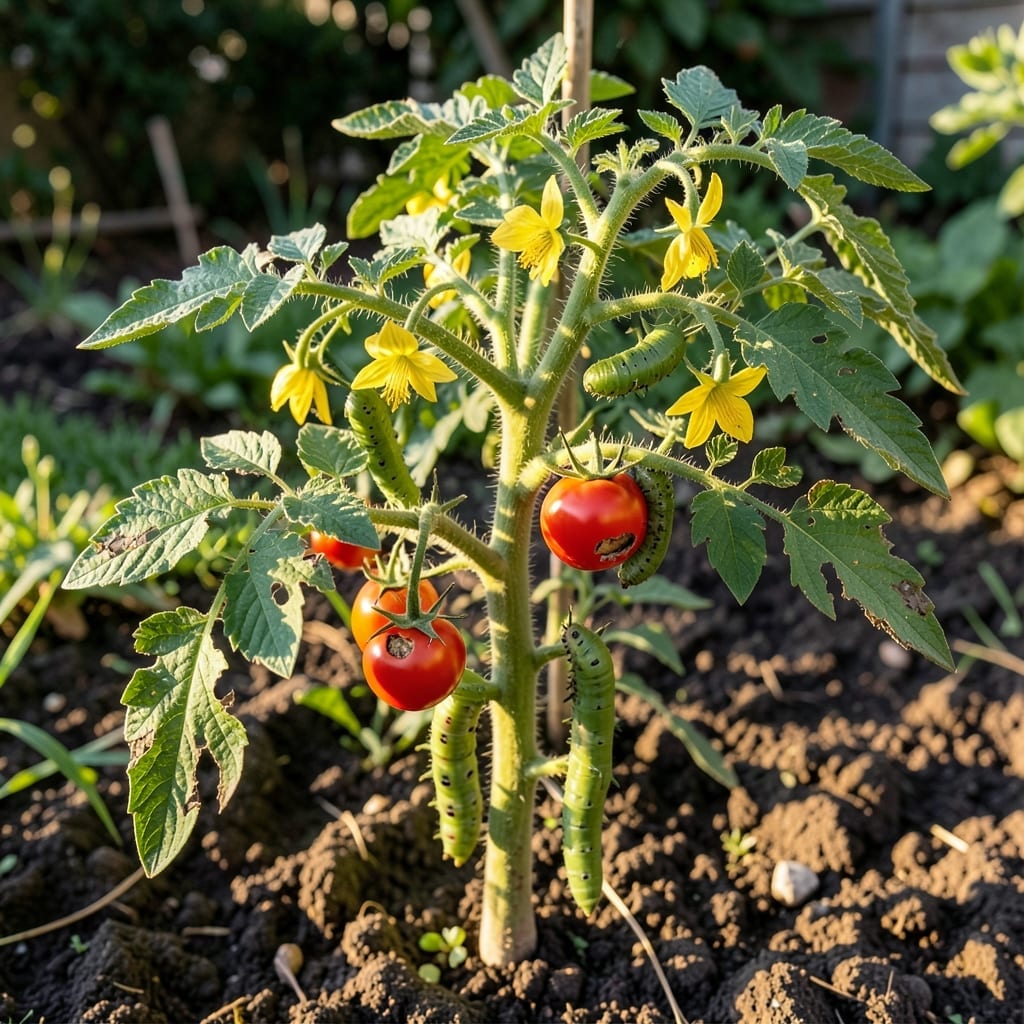
Waking up to holes in your tomato leaves is frustrating. I’ve been there—one day everything looks fine, the next it’s a buffet for something unseen.
Hornworms, beetles, and slugs are usually the culprits. Each leaves distinct damage: large holes for hornworms, chewed edges for beetles, and irregular gnaws for slugs.
I solved this with hand-picking pests at dawn, neem oil sprays, and companion plants like basil that repel invaders naturally.
Prevention is easier than cure—check plants daily and act at the first sign of trouble. Your tomatoes will thank you with a bountiful harvest.
The holes in your tomatoes are likely caused by pests or environmental factors. Here’s a breakdown of the most common culprits and why they target your plants:
Several insects are notorious for chewing through tomato leaves and fruit. Tomato hornworms (large green caterpillars) devour foliage and fruit, leaving jagged holes. Flea beetles create tiny, scattered holes in leaves, while slugs and snails leave irregular, ragged holes with slime trails. These pests are drawn to the moisture and nutrients in tomato plants, especially during warm, dry weather.
Sometimes, holes aren’t caused by pests at all. Blossom end rot (a calcium deficiency) can create dark, sunken spots that resemble holes. Overwatering or poor drainage can also lead to fruit cracking, which may appear as small openings. Environmental stressors like extreme heat or inconsistent watering weaken plants, making them more susceptible to pests and disease.
Certain diseases, like early blight or bacterial spot, can cause lesions or holes in leaves and fruit. These pathogens thrive in wet, humid conditions and spread through spores or contaminated tools. Fungal infections often start as small spots that enlarge into holes as the tissue dies.
Identifying the cause is the first step to protecting your tomatoes. Check for pests, inspect growing conditions, and monitor for signs of disease to pinpoint the issue.
Once you’ve identified the culprit behind the holes in your tomatoes, take action with these targeted solutions. Each pest requires a slightly different approach, but consistency is key to reclaiming your harvest.
Inspect plants daily, especially under leaves, for these large green caterpillars. Drop them into a bucket of soapy water or relocate them far from your garden. Prevention tip: Encourage natural predators like parasitic wasps by planting companion flowers such as dill or marigolds. 💡
Flea beetles and Colorado potato beetles chew small holes in leaves and fruit. Cover young plants with floating row covers to block adults. For existing infestations, spray neem oil in the early morning or evening. Prevention tip: Rotate crops yearly to disrupt beetle life cycles. ✨
These tiny pests cause stippling and webbing. Use a strong stream of water to knock them off plants, or apply insecticidal soap. Prevention tip: Keep plants well-watered, as mites thrive in dry conditions. 🌡️
Lay out shallow dishes of beer or copper tape around garden beds. These pests are drawn to the beer and drown, while copper creates a mild electric barrier. Prevention tip: Remove garden debris where they hide during the day. 🎯
Release ladybugs or lacewings to feed on whitefly nymphs. Yellow sticky traps also help reduce adult populations. Prevention tip: Avoid over-fertilizing, which attracts whiteflies with lush, tender growth. 🌿
Always check the undersides of leaves and act at the first sign of trouble. A little vigilance goes a long way in keeping your tomatoes hole-free!
Look for specific clues: large, jagged holes suggest hornworms, while tiny scattered holes point to flea beetles. Slime trails mean slugs or snails are the culprits.
Hand-pick hornworms and drop them in soapy water. For smaller pests like beetles, use neem oil or insecticidal soap. Always check undersides of leaves thoroughly.
Yes! Encourage natural predators like ladybugs, use row covers for young plants, and remove garden debris. Companion planting with basil or marigolds also deters pests.
Many pests, like slugs and hornworms, are most active at night. They can cause significant damage in just a few hours, so inspect plants at dusk or dawn.