
Beautiful Plants For Your Interior
Beautiful Plants For Your Interior
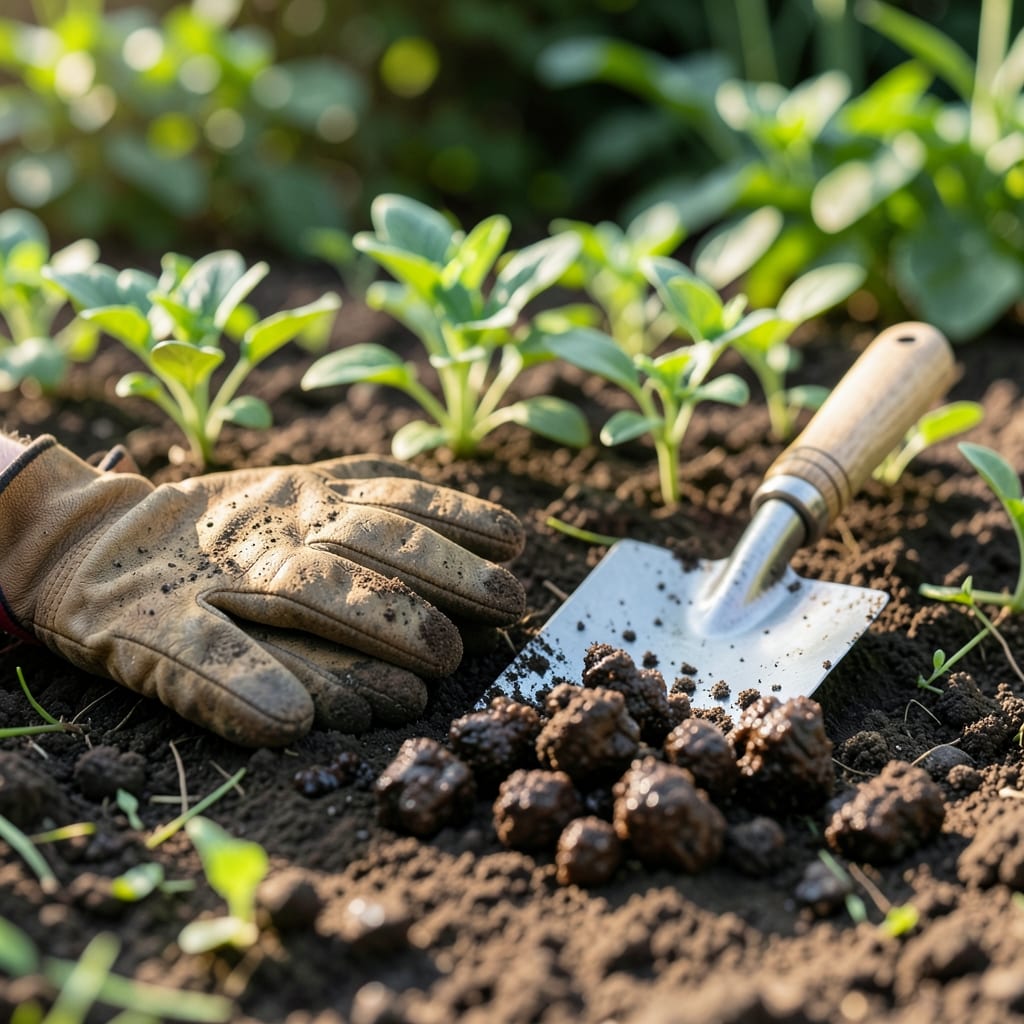
Cow manure is decomposed cow waste rich in nitrogen, phosphorus, and potassium, making it an excellent organic fertilizer for improving soil fertility and plant growth.
I’ve seen firsthand how this natural amendment transforms garden beds by enhancing moisture retention and encouraging beneficial soil microbes. Aged manure is particularly valuable because it releases nutrients slowly, preventing the burn risk that comes with fresh waste. 💫
It’s a favorite among organic growers for vegetables, flowers, and even lawns, though I always recommend composting it first to eliminate pathogens and weeds.
💡 In This Article
Cow manure packs a powerful nutrient punch with approximately 3-2-1 NPK ratio—that’s 3% nitrogen, 2% phosphorus, and 1% potassium by dry weight. This balanced profile makes it ideal for most plants, as nitrogen promotes leafy growth, phosphorus supports root development, and potassium enhances flowering and fruiting.
The organic matter also contains micronutrients like calcium, magnesium, and sulfur that synthetic fertilizers often lack. 🌟
Beyond nutrients, cow manure improves soil structure by increasing its organic content. This enhances water retention in sandy soils while improving drainage in clay-heavy ground. The manure’s fibrous texture creates pore spaces that allow roots to penetrate more easily and air to circulate better.
Over time, this leads to a loamy, friable soil texture that plants love.
Fresh manure typically has a pH between 6.5-8.5, making it slightly alkaline. As it decomposes, it tends to neutralize, bringing acid or alkaline soils closer to the ideal 6.0-7.0 range for most crops. The decomposition process also stimulates microbial activity, with beneficial bacteria and fungi populations increasing by 30-50% in amended soils.
These microbes help break down organic matter into plant-available nutrients. ✨
One of cow manure’s greatest advantages is its ability to improve cation exchange capacity (CEC). This means the soil can hold more positively charged nutrients like calcium, magnesium, and potassium, making them available to plants over a longer period.
In my garden journals, I’ve noted that beds amended with well-aged cow manure maintain fertility for 2-3 growing seasons without additional inputs.
For best results, I recommend aging manure for 6-12 months before use. This allows ammonia levels to dissipate and pathogens to die off. The aging process also reduces the salt content, which in fresh manure can reach levels that might harm salt-sensitive plants.
Properly aged manure should have a dark, crumbly texture with an earthy smell, not a strong ammonia odor. 💫
Aging for 6-12 months is ideal. This kills pathogens and reduces ammonia levels that could harm plants.
Never apply fresh manure to edible crops within 120 days of harvest. The waiting period ensures safety from potential pathogens.
Create a pile with a 3:1 ratio of carbon materials (straw, leaves) to manure. Turn every 2-3 weeks for faster decomposition.
Leafy greens and root vegetables thrive with it. Avoid using on acid-loving plants like blueberries.