
Beautiful Plants For Your Interior
Beautiful Plants For Your Interior
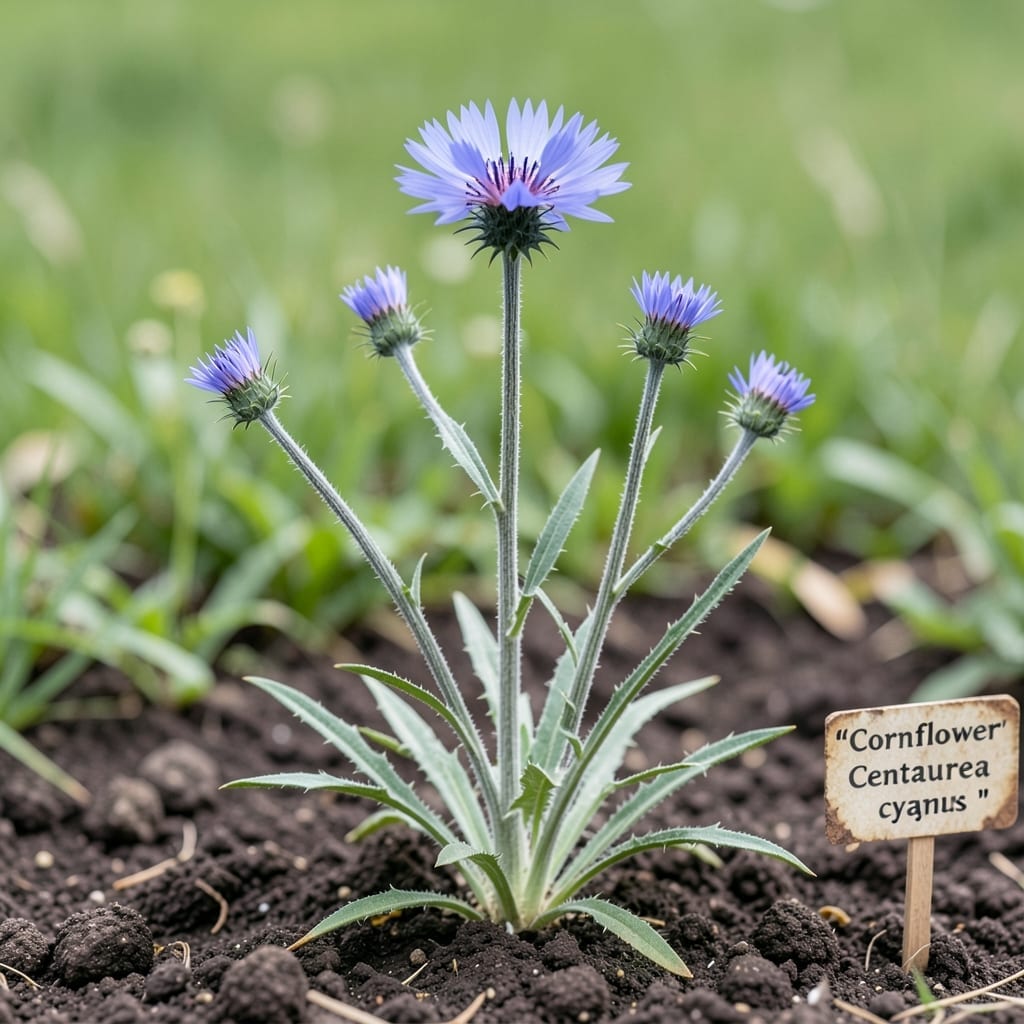
Cornflower is a vibrant blue annual flowering plant also known as Centaurea cyanus, prized for its ornamental value and historical use in herbal remedies.
I love how this plant stands out in wildflower meadows with its striking sky-blue petals and slender stems. It’s not just a pretty face—traditionally, it was used to soothe minor ailments and even as a natural dye. 🌟
In gardens, it thrives in poor soil and full sun, making it a low-maintenance favorite for beginners and experts alike.
💡 In This Article
This hardy annual typically grows 2-3 feet tall with slender, upright stems that branch near the top. The leaves are narrow, lobed, and covered in fine silvery hairs, which help reduce water loss in its native dry, open habitats across Europe and western Asia.
The most striking feature is its 1-2 inch flower heads with layered, frilly petals in vivid blues, pinks, or whites.
What makes cornflower unique is its taproot system, which can extend 12-18 inches deep. This adaptation allows it to access moisture in drought-prone grasslands where it naturally thrives. The plant’s fine, feathery foliage also minimizes wind resistance, helping it survive in exposed coastal areas. 🌊
The flower’s color comes from anthocyanin pigments, which intensify in cooler temperatures. In wild settings, this vibrant hue attracts pollinators like bees and butterflies, while the plant’s slightly bitter foliage deters herbivores. This clever combination of attraction and defense helps ensure its survival in competitive environments.
Cornflower’s seed heads are particularly interesting—they contain 20-30 seeds each, which can remain viable in the soil for up to 5 years. This dormancy allows the plant to wait for ideal growing conditions, explaining why it often appears spontaneously in disturbed soils.
The seeds are small, elongated, and have a tiny tuft of bristles that aids wind dispersal.
In its native range, cornflower often grows alongside grains like wheat and rye, earning its common name from this association. This symbiotic relationship with cereal crops historically helped it spread across agricultural landscapes, where its deep roots also helped prevent soil erosion. ✨
Yes! Scatter seeds directly in well-draining soil in full sun. They germinate quickly in 60-70°F temperatures and require minimal care. Thin seedlings to 12-18 inches apart for best results.
While the classic sky blue is most common, you’ll also find varieties in pink, white, purple, and even deep burgundy. The intensity often depends on soil pH and temperature.
With regular deadheading, they’ll produce blooms continuously for 8-10 weeks. In cooler climates, they may bloom from early summer until the first frost.
Their deep taproots access moisture efficiently, making them ideal for dry gardens. Once established, they need only 1 inch of water weekly.