
Beautiful Plants For Your Interior
Beautiful Plants For Your Interior
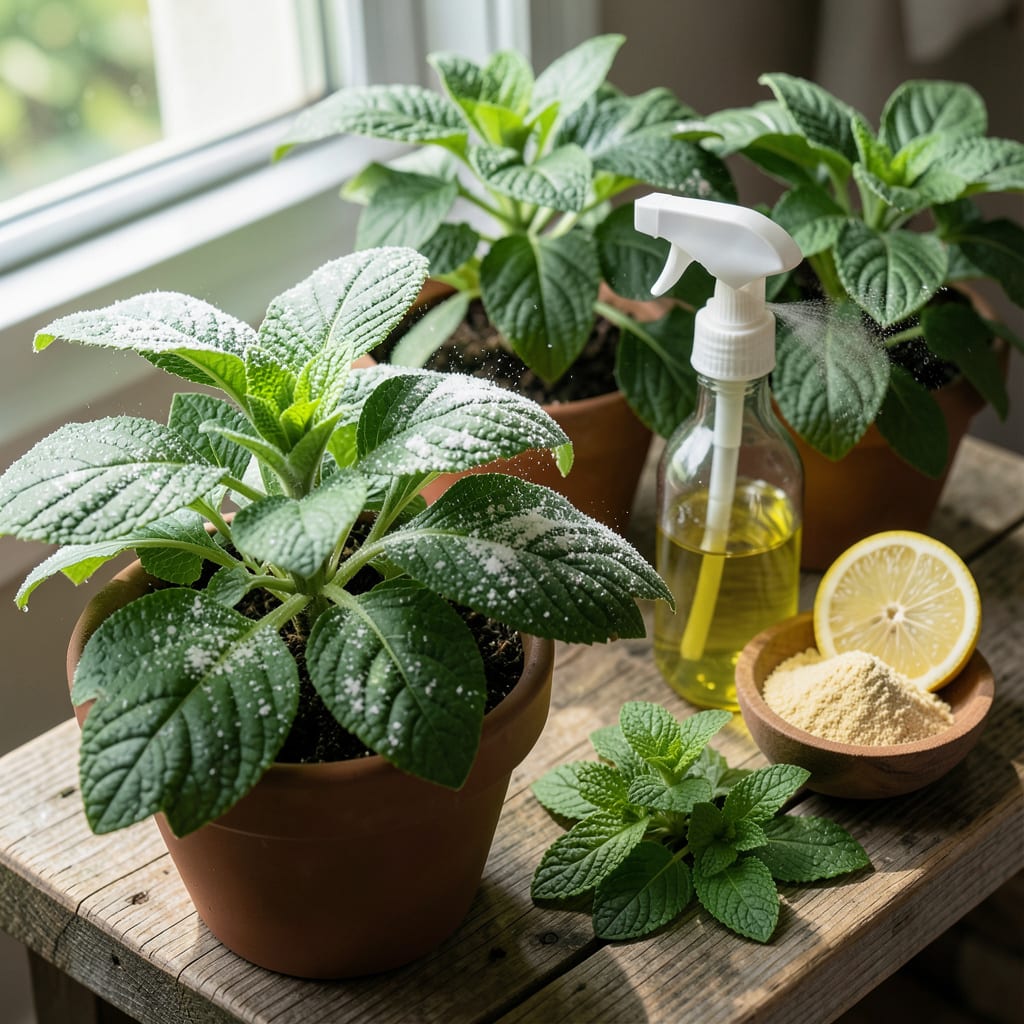
That white powder on your plant leaves isn’t dust—it’s a fungal party you didn’t invite. I’ve lost count of how many plants I saved once I learned to spot powdery mildew early. The good news? It’s 100% treatable with household items.
This sneaky fungus thrives in dry foliage and humid air, but it hates good airflow and direct water. My go-to fix involves a simple spray that stops it in its tracks within 48 hours, no harsh chemicals required.
You’ll see leaves clear up fast, with new growth coming in healthy and mildew-free. The best part? Prevention is even easier than cure—just a few tweaks to your routine.
Works for roses, squash, cucumbers, or any plant showing those telltale white spots. Let’s shut this fungus down.
Powdery mildew is a common fungal disease that thrives under specific conditions. Understanding its root causes can help you prevent and manage outbreaks more effectively.
This fungus flourishes in environments with high humidity (60-80%) but low moisture on leaves. Unlike other fungi, powdery mildew doesn’t need wet foliage to grow—just humid air. Poor airflow around plants traps moisture, creating ideal breeding grounds. Crowded gardens or indoor plants with stagnant air are especially vulnerable.
Stagnant air allows fungal spores to settle and germinate. Plants grown too closely together, dense canopies, or lack of pruning restrict airflow, increasing the risk. Even indoor plants near walls or in corners with limited ventilation can develop powdery mildew.
While powdery mildew prefers shade or partial sunlight, it can also appear in full-sun plants under stress. Sudden shifts from bright light to deep shade (or vice versa) weaken plants, making them more susceptible. Overhead shading from trees or structures can create microclimates that encourage spore growth.
Watering from above leaves foliage damp, which—while not strictly necessary for powdery mildew—can exacerbate other fungal issues and stress plants. Evening watering is particularly risky, as cooler nighttime temperatures slow evaporation, prolonging leaf wetness.
Some plants are genetically more prone to powdery mildew, including roses, zucchini, cucumbers, phlox, and lilacs. New growth on these plants is often the first to show signs. Choosing resistant cultivars (e.g., mildew-resistant roses or squash) can reduce outbreaks.
Powdery mildew doesn’t have to be a death sentence for your plants. Here’s how to tackle each cause head-on with simple, effective fixes—and keep it from coming back.
Thinning out dense foliage is step one. Prune affected leaves and stems to open up the plant’s center, then space pots or rows farther apart. A small fan on low can also keep air moving, especially in greenhouses or indoor setups.
Prevention tip: 💡 Plant with spacing in mind from the start—check seed packets for mature size guidelines.
Switch to early morning watering so leaves dry quickly in the sun. Avoid overhead watering—use a soaker hose or drip irrigation to keep foliage dry. If humidity is high, a dehumidifier near indoor plants can help.
Prevention tip: 🌡️ Group humidity-loving plants together (like ferns) and keep others in drier zones.
Strengthen plants with balanced fertilizer (avoid overdoing nitrogen) and mulch to retain moisture without wetting leaves. Remove fallen leaves and debris, which can harbor spores.
Prevention tip: ✨ Rotate crops yearly to prevent soil-borne issues and fungal buildup.
Mix 1 tablespoon baking soda + 1 teaspoon dish soap + 1 gallon water and spray weekly. Neem oil (mixed per label instructions) works too—apply at dusk to avoid leaf burn. Always test sprays on a small area first.
Prevention tip: 🎯 Remove and destroy (don’t compost) severely infected plants to stop the spread.
Yes, a mix of 1 tablespoon vinegar + 1 gallon water can work, but it may harm some plants. Test on a small area first and use sparingly.
Spores linger in soil or on tools. Clean pruners with rubbing alcohol, remove fallen leaves, and rotate treatments to prevent resistance.
Wash fruits and veggies thoroughly with water. The fungus itself isn’t toxic, but avoid consuming heavily mildewed parts.
Spray natural solutions like baking soda or neem oil every 7-10 days or after rain. Stop once the issue clears.
