
Beautiful Plants For Your Interior
Beautiful Plants For Your Interior
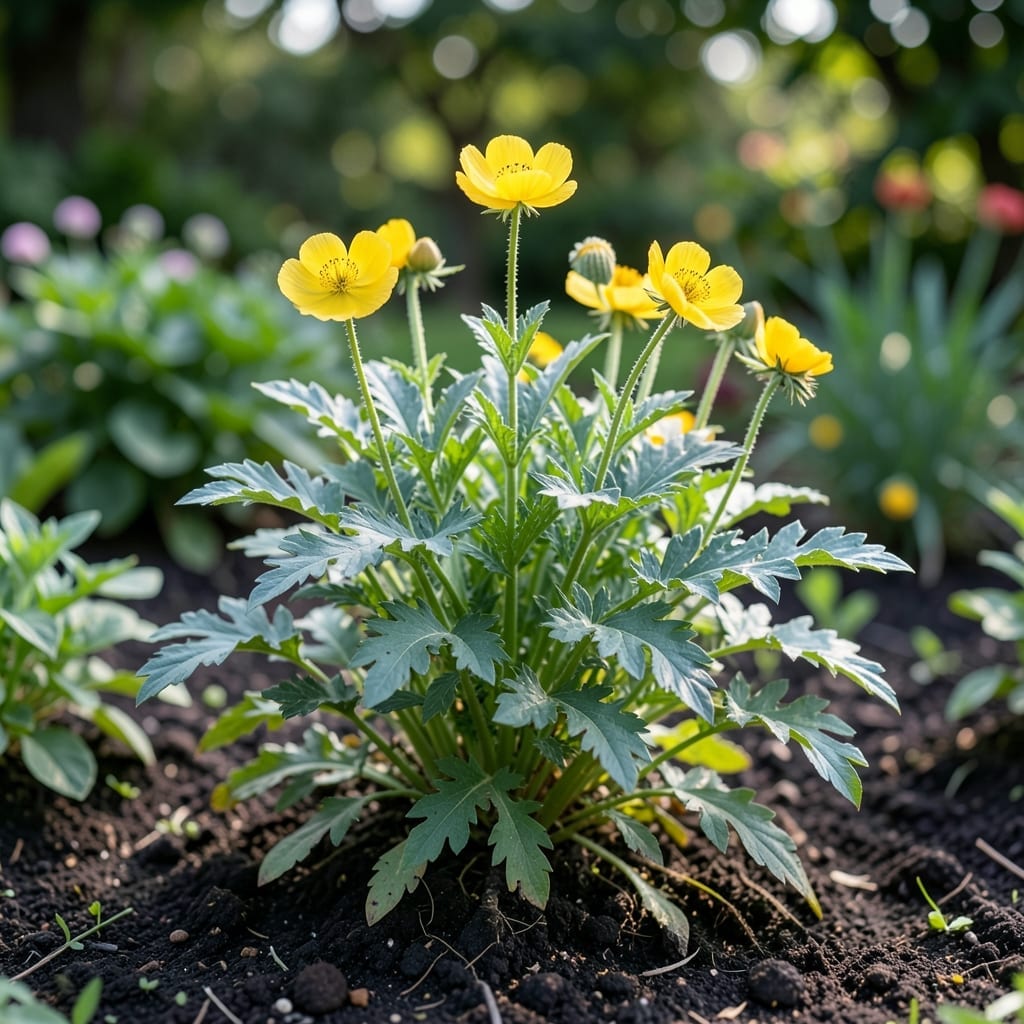
Celontro is a fungal disease affecting plants, causing yellowing leaves, stunted growth, and dark lesions. It spreads through contaminated soil and water.
I’ve seen this fungus wreak havoc in gardens, especially during warm, humid conditions that help it thrive. Early detection is critical because the spores can overwinter in soil and infect new plants the following season. 🌟
What’s tricky is that symptoms often mimic nutrient deficiencies, so gardeners might mistake it for a simple care issue rather than a serious fungal problem.
💡 In This Article
The fungus begins its assault by producing spores that land on plant surfaces, often during rainy or high-humidity periods. These spores germinate within 24-48 hours when conditions are right, secreting enzymes that break down the plant’s protective waxy cuticle. 🔥
Once inside, the fungal hyphae spread through the plant’s vascular system, blocking water and nutrient flow. This is why you’ll often see wilting alongside the characteristic yellowing—it’s essentially starving the plant from within. The dark lesions appear where the fungus concentrates its attack.
What makes celontro particularly destructive is its ability to produce toxins that further weaken the plant’s defenses. These toxins disrupt cell membranes, causing the brown or black spots that are a hallmark of advanced infection. The fungus thrives in temperatures between 60-80°F with high humidity.
Plants under stress—whether from drought, poor soil, or overcrowding—are especially vulnerable. The fungus can lie dormant in soil for years, waiting for the right conditions to strike again. This is why crop rotation is so effective—it starves the fungus by removing its host. ✨
In severe cases, the fungus can completely girdle stems, cutting off all nutrient flow. I’ve seen tomato plants go from healthy to dead in under 2 weeks when conditions are optimal for the fungus. The speed of infection often catches gardeners off guard.
Interestingly, celontro tends to target younger tissues first, which is why you’ll often see symptoms in new growth before they appear in older leaves. This preference for tender growth makes seedlings particularly susceptible to rapid, devastating infections. 💫
Tomatoes, peppers, and eggplants are particularly susceptible. These nightshade family members often show symptoms first in warm, humid conditions. Seedlings are most at risk due to their tender new growth.
Under ideal conditions, it can infect an entire garden bed within 1-2 weeks. Spores spread through water splashes, wind, and contaminated tools. Early symptoms may appear within 3-5 days after initial exposure.
Mild cases may recover with immediate treatment and improved growing conditions. Remove infected leaves and apply copper fungicide. Severe cases require plant removal to protect neighboring vegetation.
No, while it shares some symptoms with early blight or septoria, the dark lesions and vascular system attack are distinctive. Always get a proper diagnosis before treating.