
Beautiful Plants For Your Interior
Beautiful Plants For Your Interior
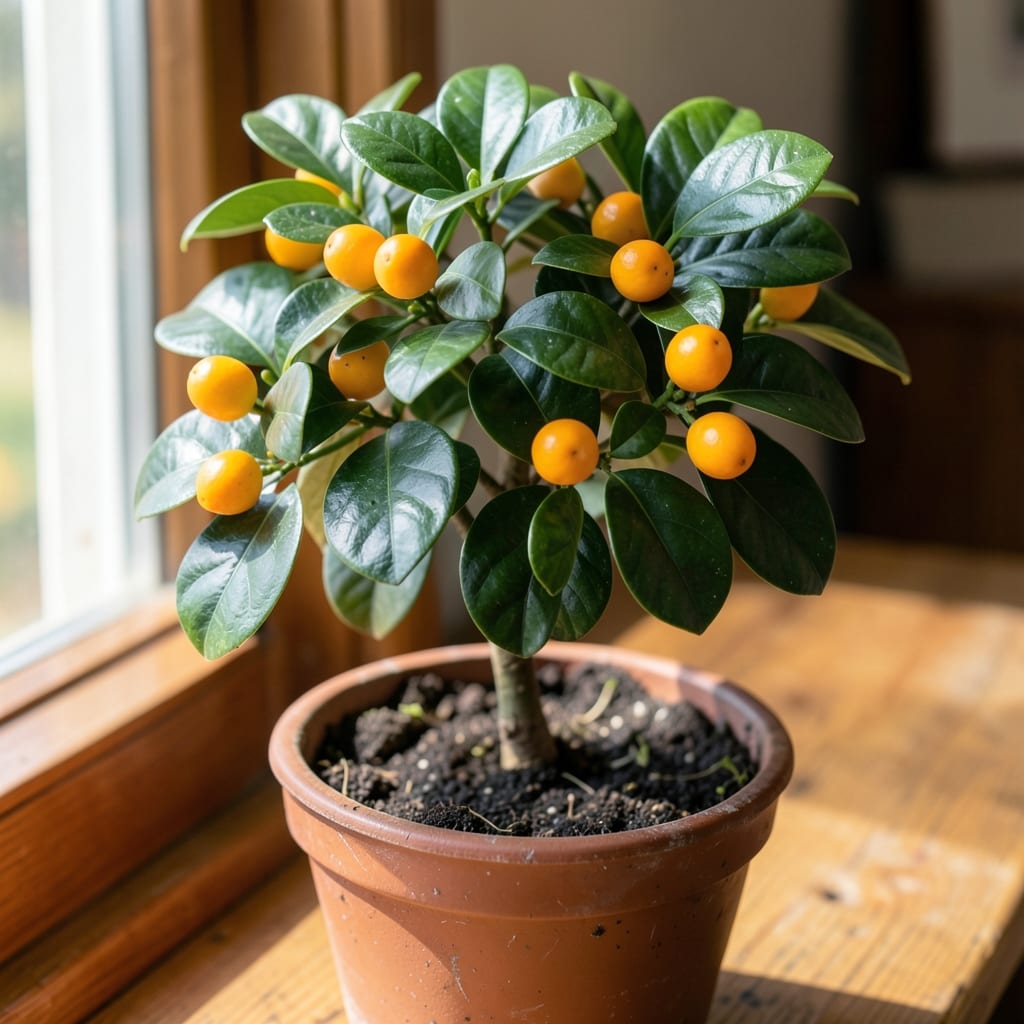
Calamondin is a small, tart citrus hybrid resembling a miniature orange, often used for cooking, beverages, and ornamental gardening due to its fragrant flowers and edible fruit.
I love how this tiny powerhouse brings both beauty and function to any garden. Its glossy, deep green leaves and bright orange fruit make it a stunning ornamental plant, while the sour juice adds a unique zing to marinades, cocktails, and desserts. 🔥
What makes it special is its adaptability—it thrives in containers as well as garden beds, making it perfect for urban gardeners with limited space.
💡 In This Article
This citrus hybrid emerges from crossing Citrus microcarpa with Citrus reticulata, creating a unique plant that inherits the best of both. Its origins trace back to Southeast Asia, where it’s been cultivated for centuries in countries like the Philippines and Indonesia.
The small, glossy leaves grow densely on compact branches, giving the shrub a lush, evergreen appearance year-round. ✨
The fruit itself is a marvel of nature, typically measuring just 1-1.5 inches in diameter. Its thin, smooth rind encases juicy segments that burst with an intense sour flavor. Unlike commercial oranges, calamondin’s flesh contains 8-10 seeds per fruit, and its peel releases aromatic oils when bruised, filling the air with a fresh citrus scent.
🔥
What sets this plant apart is its growth habit. It naturally stays small, reaching only 3-6 feet tall at maturity, making it ideal for container gardening. The branches often develop slight thorns, and the leaves have a distinctive dark green color with a leathery texture that helps conserve moisture in warm climates. ⚡
The plant’s flowers are another standout feature. They appear in clusters of 2-3 blossoms, each with 5 white petals andbright yellow stamens. These fragrant blooms can appear multiple times throughout the year, often while the plant simultaneously bears ripe fruit—a phenomenon called “bloom and fruit” that’s rare in citrus. 💫
Calamondin’s genetic makeup gives it remarkable cold tolerance compared to other citrus varieties. It can survive brief dips to 20°F (-6°C), though fruit production may suffer below 25°F (-4°C).
This hardiness, combined with its compact size, makes it a favorite among gardeners in cooler climates who want to grow citrus in pots that can be moved indoors during winter. 🌟
No, they’re different citrus fruits. Kumquats are oval and eaten peel and all, while calamondins are round with a very tart juice. Both are small, but calamondins are typically more sour and used primarily for their juice.
Most calamondin trees start producing fruit within 2-3 years when grown from a mature grafted plant. Seed-grown trees may take 5-7 years to bear fruit. Regular watering and proper fertilization can encourage earlier fruiting.
You can, but most people don’t due to its extreme sourness. The juice is incredibly tart, similar to lime but more intense. It’s best used in cooking, baking, or beverages where its strong flavor can be balanced.
Yellow leaves often indicate overwatering or poor drainage. Check that your pot has drainage holes and you’re allowing the top 1-2 inches of soil to dry between waterings. Nutrient deficiencies can also cause this issue.