
Beautiful Plants For Your Interior
Beautiful Plants For Your Interior
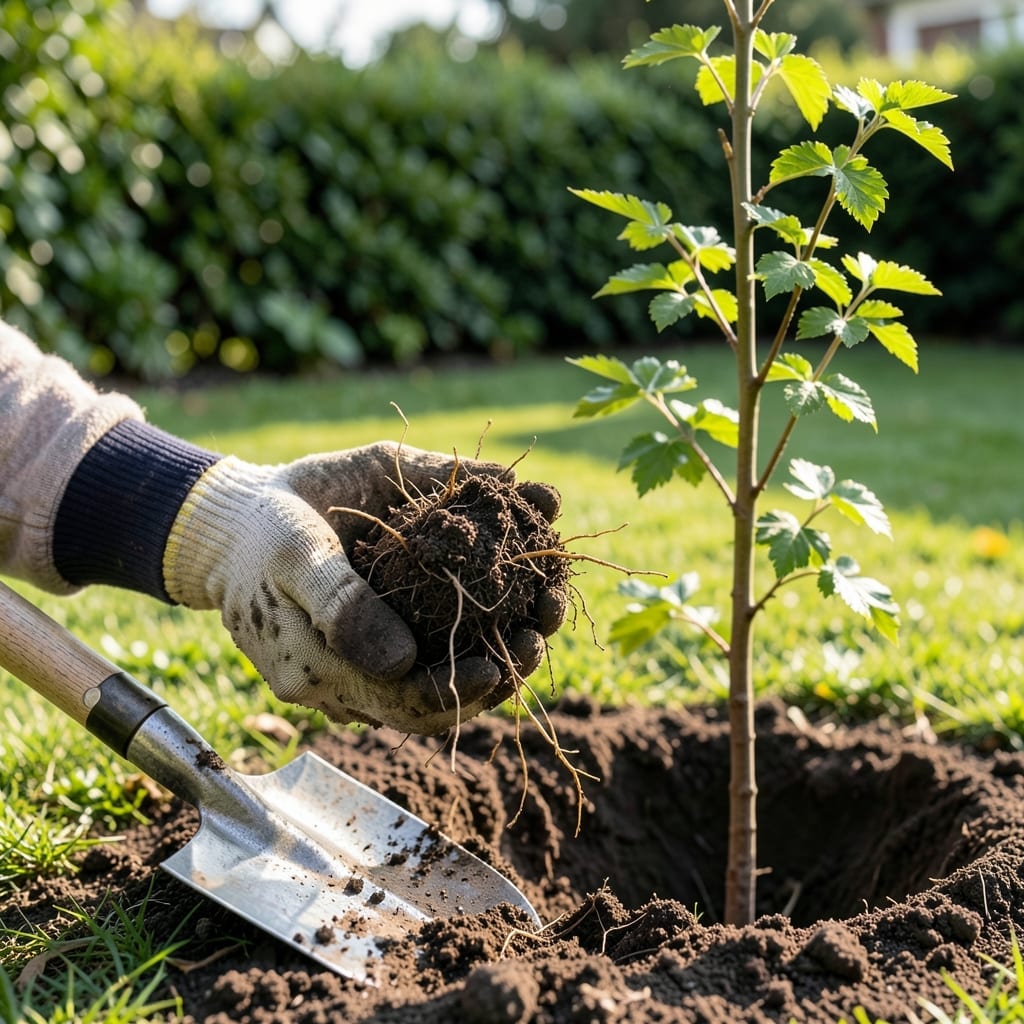
A rootball is the mass of roots and soil that holds a plant together when removed from the ground, preserving its structure for transplanting and ensuring better survival rates.
I’ve seen firsthand how this intact root-soil cluster acts like nature’s own packaging system. 🌱 It protects delicate root hairs from damage and maintains the plant’s ability to absorb water and nutrients during the move. Without it, even hardy plants can struggle to re-establish themselves in new soil.
💡 In This Article
The intact soil-root matrix acts as a natural shock absorber during movement. It prevents delicate root hairs from tearing, which can reduce water uptake efficiency by up to 40% in damaged plants. This protection is crucial because root hairs handle 90% of a plant’s water absorption.
Moisture retention is another key benefit. A well-formed rootball can maintain soil moisture levels 2-3 times longer than bare roots. The soil acts like a sponge, slowly releasing water to the roots while shielding them from drying winds or direct sun exposure during transport.
Transplant shock occurs when roots struggle to establish in new soil. An intact rootball minimizes this by preserving the plant’s existing mycorrhizal relationships—beneficial fungi that extend root reach by 100-800%. These symbiotic partnerships help plants absorb phosphorus more efficiently. 🌱
Size matters significantly. For trees, a rootball diameter of 10-12 inches per inch of trunk diameter is standard. Smaller plants need proportionally smaller rootballs. The ratio ensures enough soil volume to support the root system without being excessively heavy.
Temperature stability within the rootball also aids survival. The soil mass insulates roots from temperature swings that can occur during transport. Studies show rootballs maintain temperatures within 5-10°F of their original soil environment for several hours.
This natural packaging system explains why bare-root plants often experience 30-50% higher mortality rates than those transplanted with intact rootballs. The difference becomes especially noticeable in sensitive species like azaleas or Japanese maples.
An intact rootball protects delicate root hairs from damage during transplanting. It maintains moisture and temperature stability, reducing transplant shock by up to 40%. This significantly improves survival rates for the plant.
For trees, aim for a rootball diameter of 10-12 inches per inch of trunk diameter. Smaller plants need proportionally smaller rootballs to ensure enough soil volume without being excessively heavy.
No, keep the burlap on until the plant is positioned in the hole. Removing it too soon can cause the rootball to break apart, exposing and damaging the roots.
Store it in a shaded, cool area and keep the burlap moist. For best results, transplant within 2-3 days of digging to prevent root damage.